
Fareed Zakaria: Iran is an imperial trap into which America has fallen.
Key Takeaways
- U.S. war on Iran risks becoming an imperial trap draining energy and distracting strategic challenges
- Imperial trap draws great powers into costly regional conflicts
- Trump's decision to militarily return to the Middle East reflects the imperial trap
Imperial trap and US return
Fareed Zakaria discusses the idea that the U.S. war on Iran could be a new example of what he calls the 'imperial trap,' where great powers are drawn into costly regional conflicts that drain their energy and distract them from the more important strategic challenges.
“Fareed Zakaria discusses the idea that the U”
In his Washington Post column, he notes that President Donald Trump's decision to militarily return to the Middle East reflects a historical pattern in which other great powers, most notably Britain at the height of its global power, have fallen into this trap.
Zakaria reminds readers that U.S. decision-makers had an increasing awareness—about fifteen years ago—that the country had become overly entangled in attempts to reshape regimes and societies in the Middle East, especially after the experiences in Iraq, Afghanistan, and Libya.
There was a belief that America's real priorities should lie at home, through rebuilding its industrial base, and abroad through focusing on the larger strategic challenge posed by China's rise, as the author says.
The writer is surprised that the United States is returning to wage war in the region again, in a move that seems to repeat the results of previous interventions that did not achieve their aims.
British empire analogy
To explain this phenomenon, the article recalls the British Empire's experience in the late 19th and early 20th centuries, when it was the world's sole superpower with enormous economic and political influence.
A similar mistake occurred: during that period Britain controlled about a quarter of the global economy, London was the leading financial center worldwide, and it faced major European powers such as France in the Napoleonic era and Imperial Russia, while administering a vast empire spanning several continents.
Yet Britain found itself repeatedly drawn into conflicts and crises in distant regions of Asia, Africa, and the Middle East, intervening militarily in places such as Sudan, Somalia, Iraq, and Jordan.
Although those interventions seemed necessary at the time, they drained Britain's resources and kept its political and military leadership preoccupied with peripheral crises, at a moment when rival powers were building their core strength.
Strategic risk and great power challenge
The author argues that the United States today may be exposed to a similar mistake, because intervention in the Middle East may seem justifiable politically, morally, and security-wise, but it consumes a large share of military and economic resources and political attention.
“Fareed Zakaria discusses the idea that the U”
Great powers rarely fall because of direct military defeat, but because of overextension and engagement in peripheral conflicts that drain their resources.
The author emphasizes that the real strategic challenge before the United States is to confront the ambitions of China and Russia, since China is concentrating intensely on developing advanced technologies that are expected to determine the balance of global power in the future, while Russia continues to work on undermining European security and Western influence through hybrid warfare that combines military, political, and informational tools.
Overextension warning
In light of these major challenges, the writer believes that renewed U.S. involvement in Middle East clashes could drain it in the long run, especially since such 'small wars' often appear easy and quick at the outset but gradually turn into long and complex commitments.
The article closes with a clear historical lesson: great powers rarely fall due to direct military defeat, but due to overexpansion and engagement in peripheral conflicts that exhaust their resources and prevent them from focusing on their core sources of power.
More on Iran
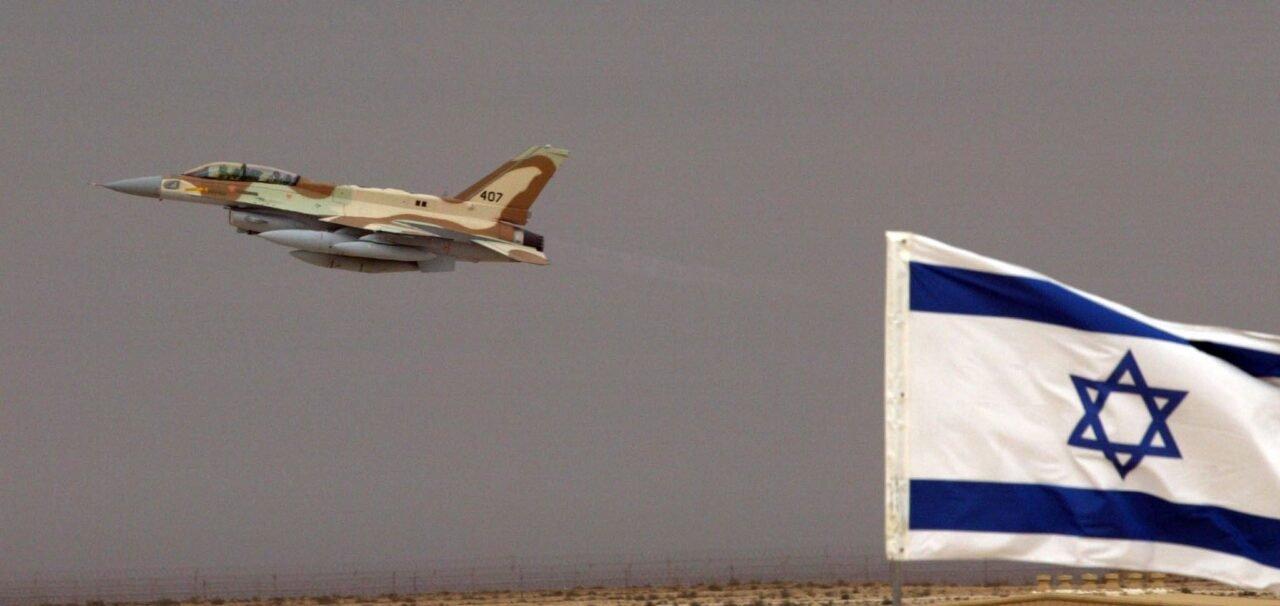
Israel Air Force Commander Tomer Bar Warns No Iran Nuclear Deal Would Be Major Failure
12 sources compared

Narges Mohammadi Rushed To Hospital In Zanjan After Losing Consciousness Twice In Custody
11 sources compared
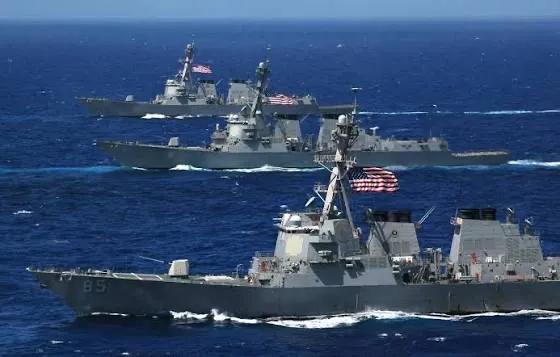
U.S. Navy Awards Domino Data Lab Nearly $100 Million to Detect Iranian Mines in Strait of Hormuz
10 sources compared
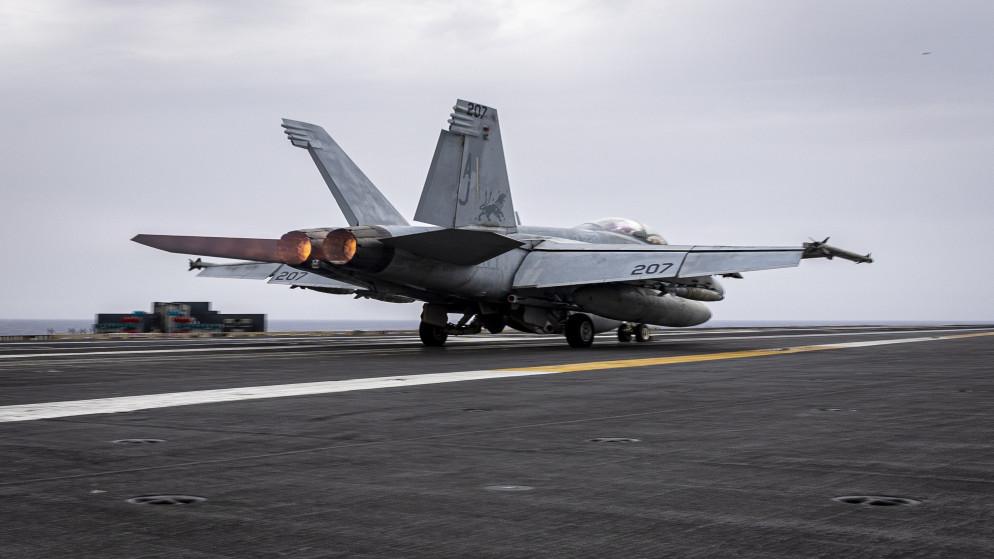
Trump Tells Congress Iran Hostilities Have Terminated Ahead of May 1 War Powers Deadline
20 sources compared