Protests18 December, 20252 min read
Farmers From 27 EU Countries Clash With Police in Brussels Over EU-Mercosur Deal
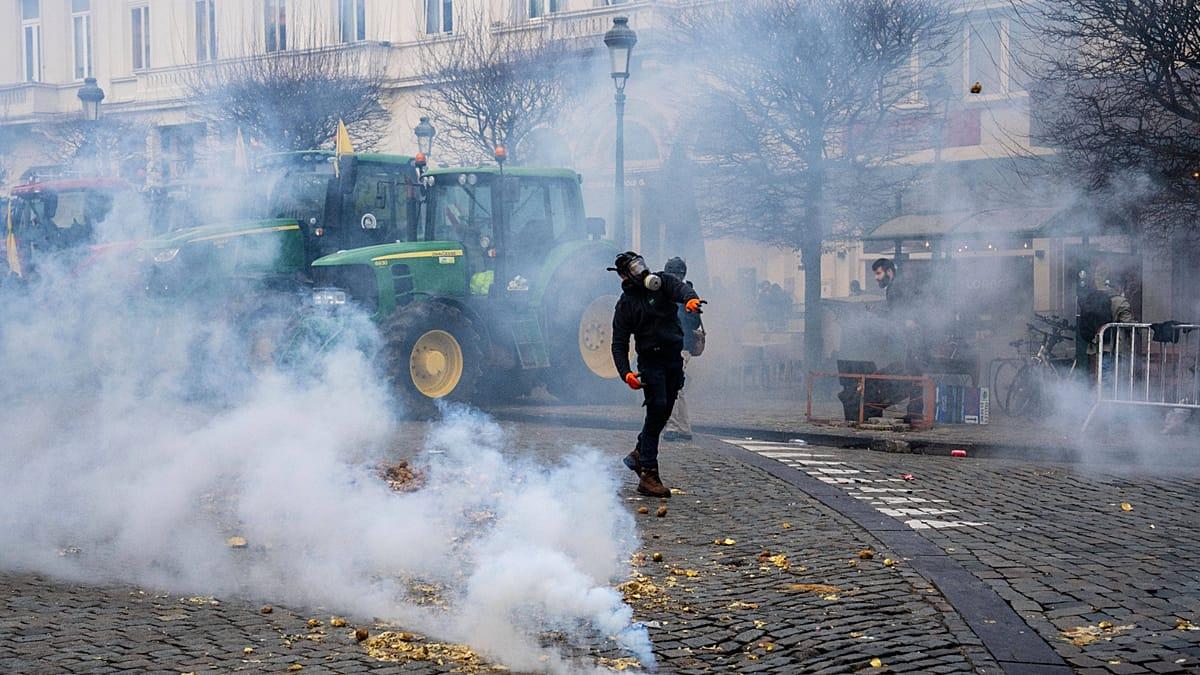
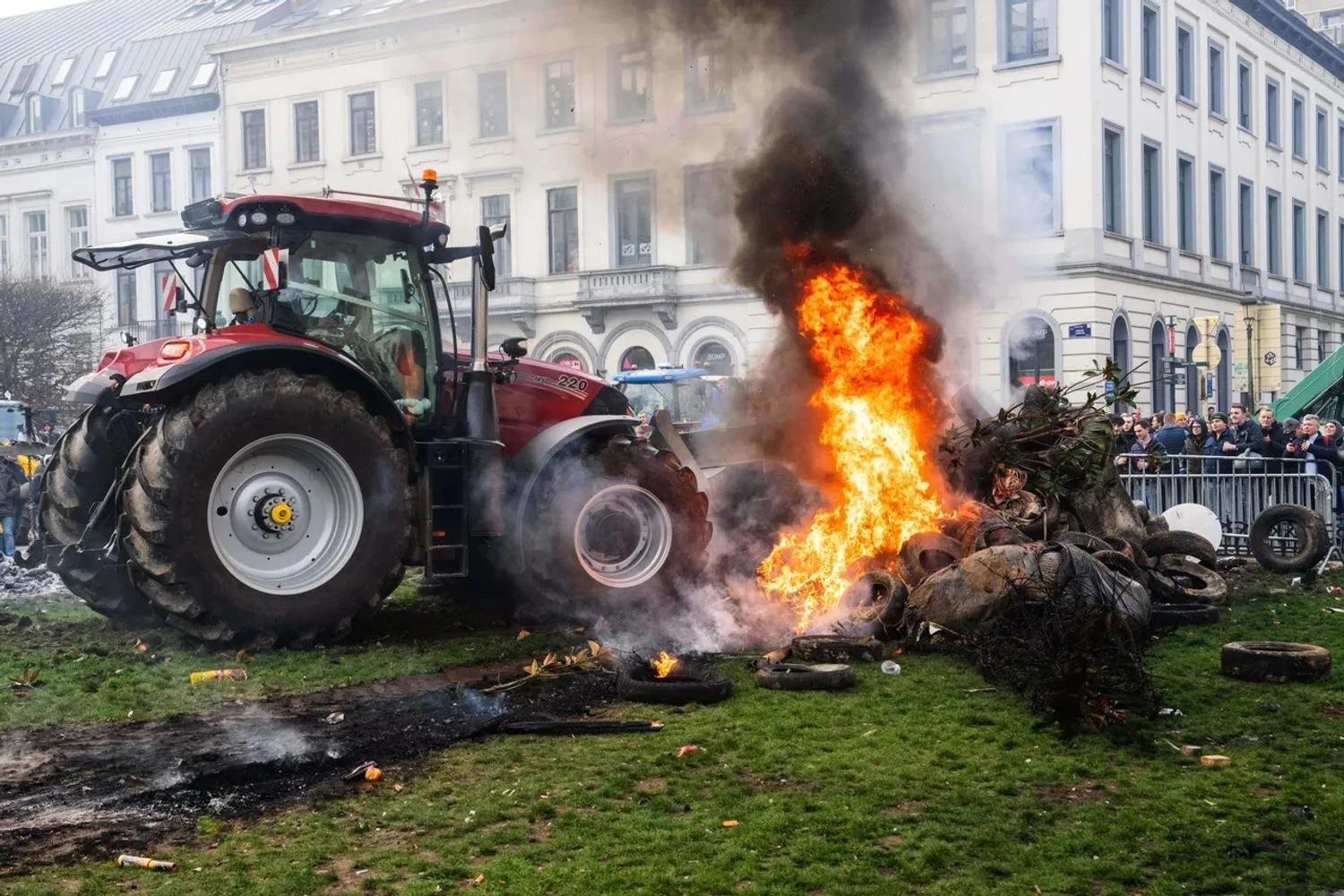
About 10,000 farmers from all 27 EU countries converged in Brussels with hundreds of tractors Protesters blocked roads, set fires, hurled potatoes and eggs near the European Parliament
10 outlets told this the same way.
Outlets did split on France Suspends Police Stun Grenades at High School Protests After 15-Year-Old Loses Hand →
Farmers' protest in Brussels
Around 10,000 farmers from all 27 EU countries converged near the EU quarter in Brussels to protest the proposed EU-Mercosur trade deal and planned Common Agricultural Policy reforms, bringing tractors that blocked roads and at times approached security zones; protesters set off fireworks and threw potatoes and eggs while police responded with water cannon and, in some areas, tear gas to control the crowds. The demonstration took place during a European Council summit and ahead of European Commission chief Ursula von der Leyen's planned trip to Brazil, adding political pressure on leaders weighing whether to amend or delay the agreement. The protests stalled traffic around key EU buildings, with reports of more than 100 tractors blocking Rue de la Loi outside the Commission and Council buildings.
“About 10,000 farmers from all 27 EU countries protested near the EU quarter in Brussels against an EU-Mercosur trade deal and proposed Common Agricultural Policy reforms. Tractors blocked roads and approached security zones, protesters set off fireworks and threw potatoes and eggs, and police used water cannon and, in some areas, tear gas to control the crowd.”
Farmers' protests over trade
Farmers say the EU-Mercosur pact, negotiated over 25 years and set to phase out most tariffs over 15 years across a 780-million-person market, would expose them to unfair competition from cheaper imports. They also fear upcoming Common Agricultural Policy (CAP) changes after 2027 will cut subsidies and undermine livelihoods.
Protesters highlighted specific products they say will undercut EU producers, naming beef, sugar, rice, honey and soy from Brazil and neighbouring countries, which they allege are produced under laxer rules and with pesticides banned in the EU. Farmers used slogans on tractors and banners to stress local production quality and to demand stronger safeguards and subsidy protections.

EU-Mercosur deal debate
Demonstrations over the EU-Mercosur agreement have taken on a clear political dimension within the EU, exposing divisions among member states. Al Jazeera reports that France and Italy lead the opposition while Germany and Spain press for approval, and that European Commission president Ursula von der Leyen intends to travel to Brazil to sign the agreement but requires a two-thirds EU majority. Brazil's President Lula framed the moment as 'now or never.'
“France and Italy lead opposition (with coordinated resistance from Poland, Belgium, Austria and Ireland), saying the deal cannot be signed in its current form, while Germany and Spain press for approval as a strategic counterweight to China that would boost exports. The 25‑year‑in‑the‑making agreement would create the world’s largest free‑trade area... Ursula von der Leyen intends to travel to Brazil to sign the deal but needs a two‑thirds EU majority; Brazil’s President Lula warned it is a ‘now or never’ moment and vowed not to pursue further agreements if it fails.”
In France, authorities deployed the army to accelerate vaccination after a lumpy skin disease outbreak that fuelled protests. President Macron has said he will not support the EU-Mercosur deal unless protections for farmers are strengthened. The combination of domestic agricultural crises and EU-level bargaining has increased pressure on leaders deciding whether to amend or delay the agreement.
European agricultural unrest
Beyond the trade specifics, sources link the Brussels clashes to wider agricultural unrest across Europe. Global News places the Brussels clashes alongside other farmer actions such as Greek blockades over culls, while Global Banking and Finance Awards ties the protests to France's lumpy skin disease outbreak and controversial culling and vaccination policies that many farmers oppose.
Al Jazeera and africanews highlight possible safeguards negotiated for sensitive imports but stress opposition remains intense, showing the deal's durability depends on political compromise and domestic reassurance to farmers. The protests, from tractors blocking roads to fireworks and street confrontations with police, have intensified debate over CAP funding, environmental standards and strategic trade policy, leaving the fate of the pact uncertain.