Crime20 October, 20251 min read
Faulty Cable Causes Lisbon Funicular Crash Killing 16, Authorities Order All Cable Cars Closed for Safety
Faulty, uncertified cable snapped causing the Lisbon funicular crash that killed 16 people Maintenance records were falsified, with some required work not actually performed
10 outlets told this the same way.
Lisbon Cable Car Accident
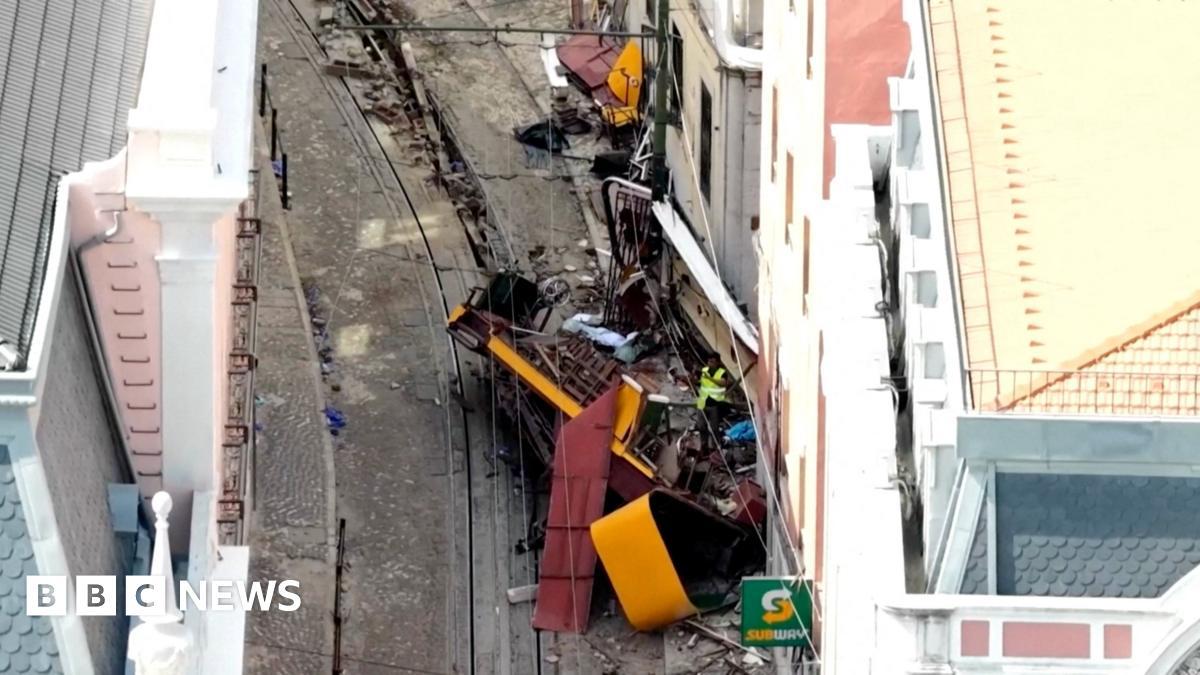
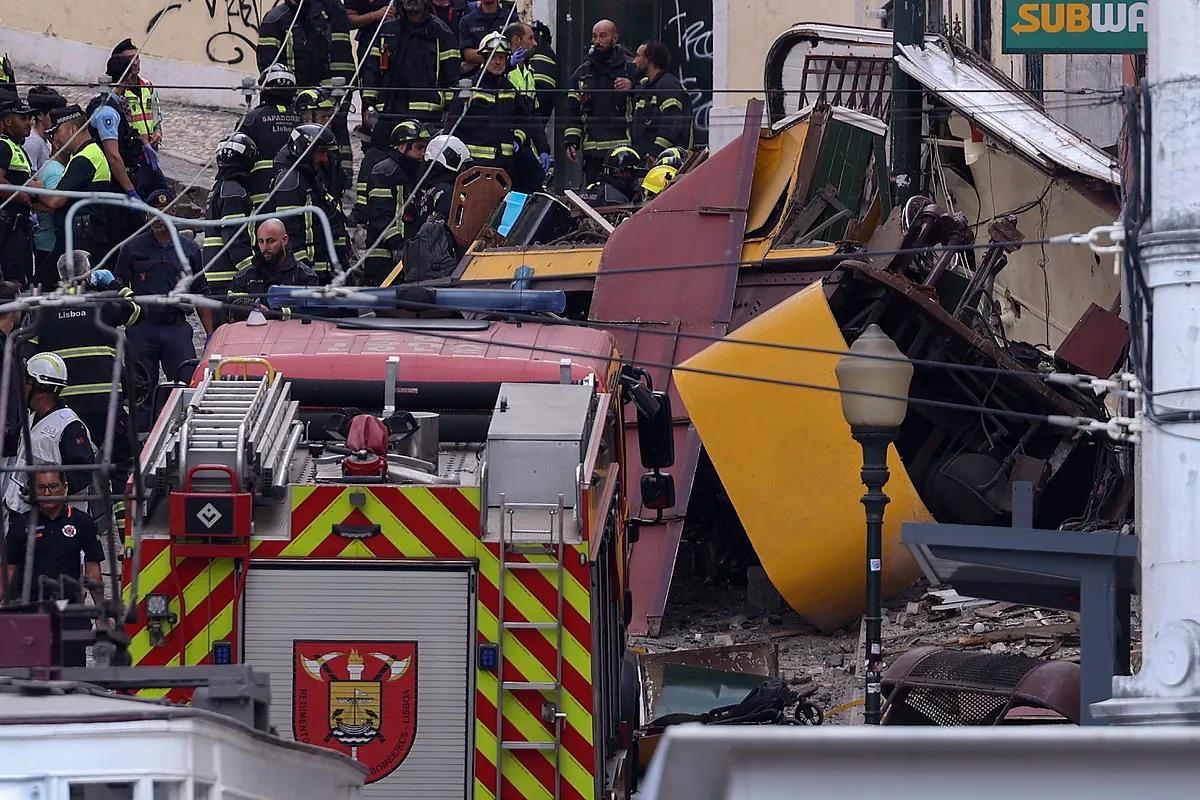
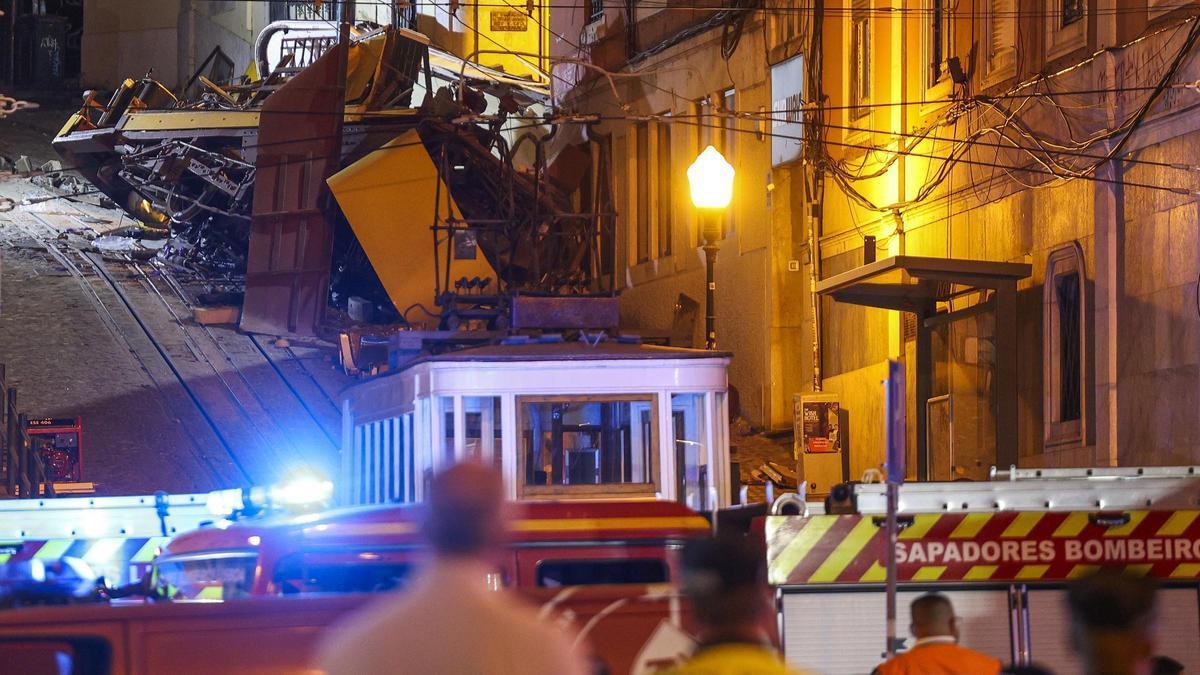
A preliminary inquiry into the September 3 derailment of Lisbon’s historic Elevador da Glória found that a cable connecting the two cabins snapped. This caused a carriage to hurtle down the slope and crash into a building within roughly 50 seconds. The accident resulted in 16 fatalities, with several sources reporting about 20 injuries.
“A Portuguese official inquiry has determined that a faulty cable caused the September 3 funicular crash in Lisbon that killed 16 people.”
Some reports describe the impact site simply as a building, while others specify it was a hotel, showing minor variations in eyewitness accounts. Investigators say the incident unfolded rapidly on the steep line, which is a signature tourist attraction dating back to the 19th century.
Cause of Cable Rupture
Investigators concluded the immediate cause was a faulty, uncertified haulage cable that did not meet the city operator Carris’s specifications. According to one report, the cable was improperly installed and not strong enough. Multiple outlets emphasize the lack of certification for public transport use.
The inquiry tied the rupture directly to the catastrophe. The Portuguese GPIAAF’s preliminary findings form the basis of these conclusions, pending a fuller technical report.
Safety Failures in Cable Car Incident
Beyond the snapped cable, preliminary findings point to systemic safety failures. The brakes could not stop the carriage once the cable failed. Management and maintenance lapses also contributed to the incident.
“Following the incident on the historic Gloria tramway, the investigation bureau (GPIAAF) recommended keeping the city’s other funiculars closed until they are confirmed fully safe.”
Reports note the brakes were activated but ineffective without the counterweight system. A routine inspection that morning had found no issues. Some critical attachment points are only visible during biannual replacements.
One outlet highlights allegations of false maintenance records and inadequate internal controls at the operator and subcontractors. These factors paint a picture of layered risk.