Crime17 July, 20262 min read
FBI Arrests Zyaire Wilkins for Steam Malware That Stole $220,000 in Crypto
This article is an automated aggregation of coverage from news outlets. Our editorials offer in-depth analysis curated by the NewsCord team.
21-year-old Zyaire Wilkins from Florida arrested for allegedly distributing malware-infected Steam games. The malware infected about 8,000 devices and breached around 80 wallets.
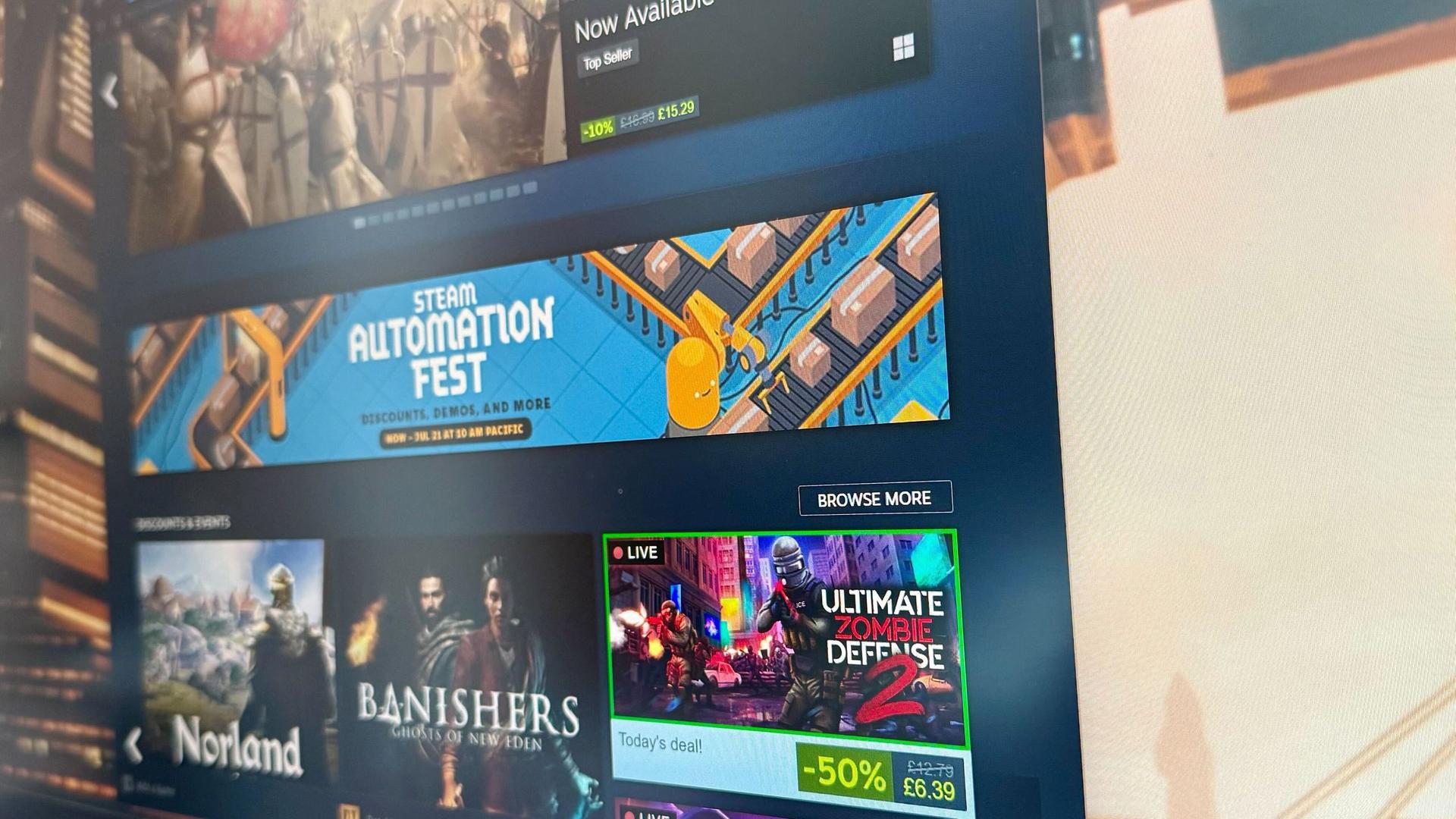
Steam malware arrest
U.S. prosecutors accused 21-year-old Florida resident and student Zyaire Wilkins of uploading fake video games containing malware to Steam, then using the infections to steal passwords and drain victims’ crypto wallets. On Tuesday, the FBI arrested Wilkins, and on Wednesday prosecutors accused him and unnamed co-conspirators of hacking crimes tied to the malware-laced titles BlockBlasters, Dashverse, Lampy, Lunara, and PirateFi. The criminal complaint says the scheme infected around 8,000 victims and hacked around 80 cryptocurrency wallets to steal at least $220,000 worth of crypto, with the alleged campaign spanning May 2024 to February 2026.
Investigators said Wilkins and his partners marketed the malicious games on Discord, LinkedIn, and Telegram, and the FBI described the case as a “Steam malware investigation” that included the games named in the complaint. The complaint also says Wilkins was charged with conspiracy to obtain information by computer for private financial gain, a count that carries up to 10 years in prison if convicted.
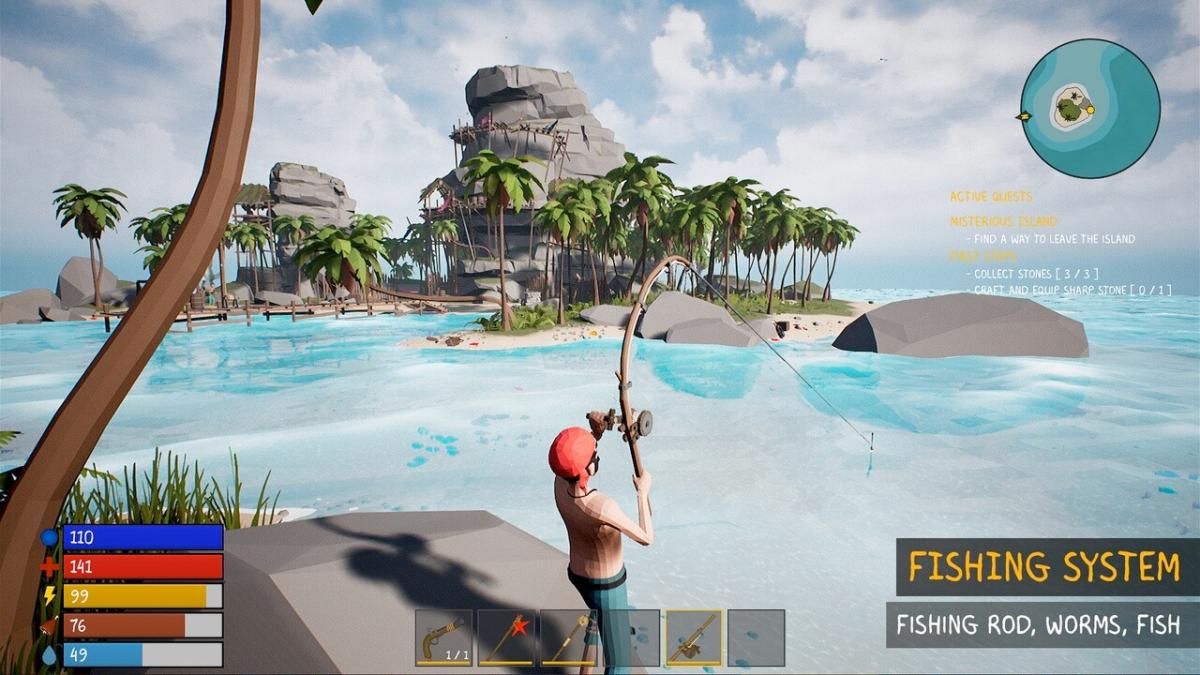
How the scheme worked
Federal authorities said the group hid malware inside eight video games and persuaded users to download them, with the titles listed in the filing including BlockBlasters, Dashverse, Lunara, and PirateFi. Prosecutors allege Wilkins used the online name “Sibel.eth,” and encrypted Signal messages showed him coordinating closely with the operation’s lead developer. The complaint alleges the malware collected login credentials and cryptocurrency wallet data, then searched the stolen information for access to victims’ digital assets and drained their cryptocurrency accounts.
Investigators traced cryptocurrency payments to purchases made through Bitrefill, where the transactions led to more than 150 digital gift cards linked to accounts associated with Wilkins’ university and home addresses. The FBI said the group promoted the games on Discord, Telegram, X, and LinkedIn while using bots to identify users with large cryptocurrency holdings and send targeted messages encouraging them to install the games.
Court, victims, and next steps
The case is tied to a broader FBI effort that began in March, when the bureau announced it was investigating a hacker suspected of using malware-embedded video games published on Steam to hack victims. In that March announcement, the FBI called for people who downloaded the malicious games, including those named in the week’s complaint, to come forward and provide evidence to aid the investigation. TechCrunch reported that Wilkins’ lawyer did not respond to a request for comment, while the complaint says Wilkins refused to speak or answer any questions after agents obtained a search warrant for his residence.
According to the complaint, federal agents seized his MacBook laptop, cellphones, other devices, and digital wallets during the search. Wilkins was scheduled to appear in Fort Lauderdale federal court, and the charge he faces—conspiracy to obtain information by computer for private financial gain—carries up to 10 years in prison if convicted.