Full Analysis Summary
Minneapolis shooting investigations
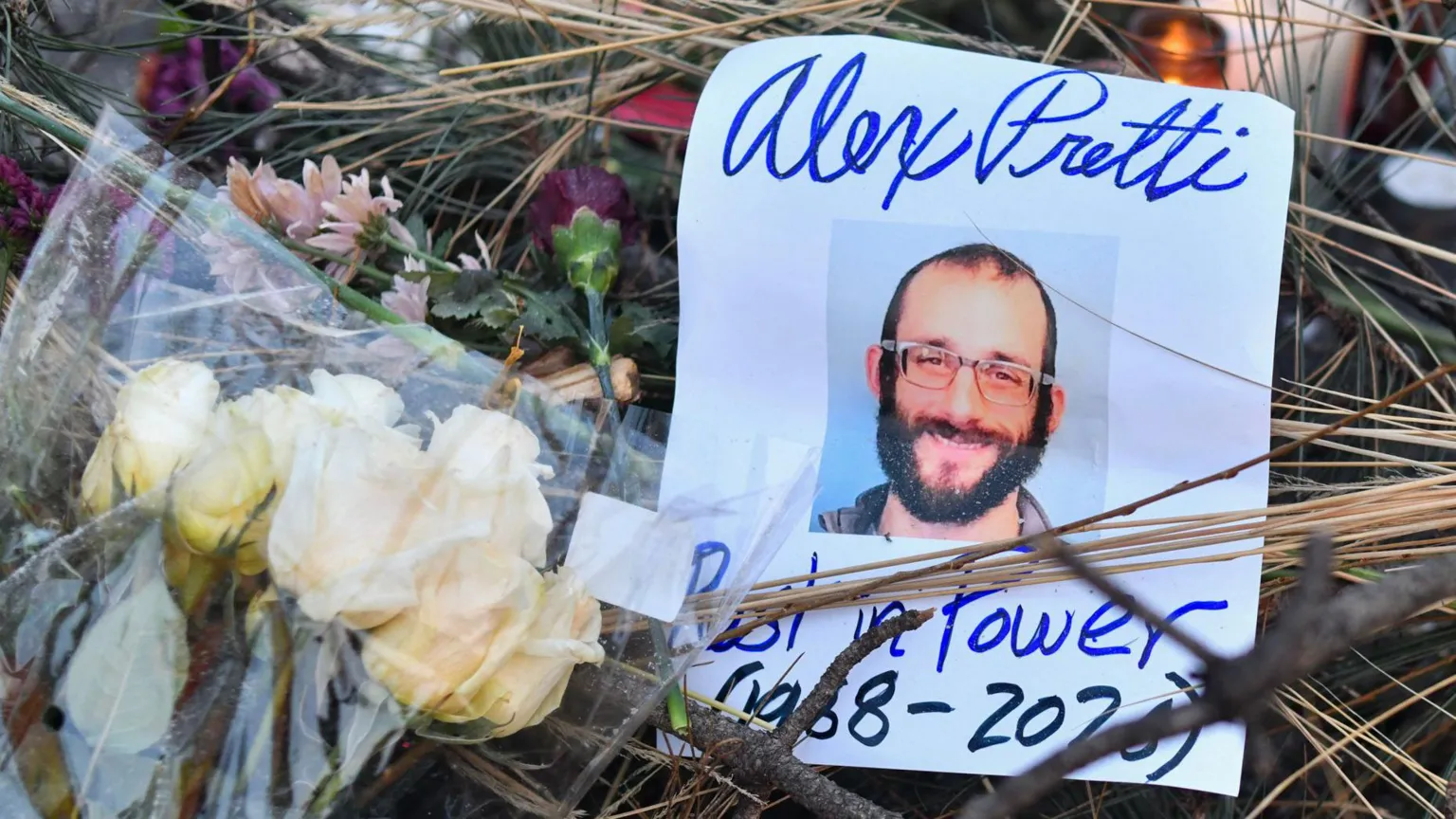
On 24 January, intensive-care nurse Alex Pretti was shot dead by US Customs and Border Protection agents during a Minneapolis protest against immigration enforcement.
Minnesota officials say the killing has been compounded by what they describe as the FBI's refusal to share evidence with the state Bureau of Criminal Apprehension (BCA).
The BCA publicly called the FBI's refusal 'concerning and unprecedented'.
Both the BCA and Pretti's family have urged a joint state-federal investigation.
The Department of Justice separately announced a civil-rights inquiry in January.
The BCA is simultaneously probing two other recent enforcement shootings.
The disputes over federal cooperation arise amid controversy over Operation Metro Surge, the Trump administration's immigration crackdown in Minnesota that spurred protests and a later federal drawdown after more than 4,000 arrests.
Coverage Differences
Narrative emphasis
Both sources report the core facts — Pretti’s death, the BCA’s complaint about the FBI, and a DOJ civil‑rights probe — but they emphasize different elements: BBC highlights the broader context (the drawdown and Governor Tim Walz’s comment about “deep damage, generational trauma”), while MyJoyOnline foregrounds the BCA superintendent’s statement and the FBI’s lack of response. MyJoyOnline (African) quotes BCA Superintendent Drew Evans directly and notes the FBI 'has not responded,' whereas BBC (Western Mainstream) places more emphasis on the operation’s scale and political fallout.
BCA-FBI cooperation dispute
The BCA has framed the FBI’s stance as an obstacle to a full state investigation.
BCA officials, including Superintendent Drew Evans as quoted by MyJoyOnline, characterized the lack of federal cooperation as "concerning and unprecedented."
They said the agency would welcome a joint state–federal probe and pledged to pursue a thorough, independent and transparent inquiry even if access to federal evidence is limited.
Pretti's family has also called for a joint investigation, and both outlets report that the Justice Department opened a civil‑rights inquiry in January.
Coverage Differences
Attribution detail
MyJoyOnline (African) explicitly names BCA Superintendent Drew Evans and quotes him describing the FBI's lack of cooperation, and notes the FBI 'has not responded.' BBC (Western Mainstream) reports the BCA’s characterization of the refusal as 'concerning and unprecedented' and that the BCA would 'welcome a joint state–federal investigation' but emphasizes the BCA's pledge to continue an independent probe if hampered. One source (MyJoyOnline) reports the FBI has not responded; the other (BBC) states the FBI 'has refused to share' evidence — the difference is between reporting a refusal and reporting a lack of response from the FBI.
Federal probes and incidents
Both outlets note the Department of Justice opened a civil‑rights inquiry but also underline uncertainty about federal cooperation beyond that review.
BBC reports the DOJ announcement and highlights that the BCA is also investigating two other recent enforcement shootings.
Those include the killing of Renee Good by ICE agents and injuries to a Venezuelan national after a car chase, and BBC says it is unclear whether the FBI will share information on those cases.
MyJoyOnline likewise reports multiple related federal‑agent incidents and frames the disputes as following Operation Metro Surge.
Coverage Differences
Scope detail
BBC (Western Mainstream) provides specific additional case details — naming the killing of Renee Good and injuries to a Venezuelan national — and explicitly connects uncertainty about FBI cooperation to those other investigations. MyJoyOnline (African) reports that the BCA is also probing other shootings but does not list the same case names in the snippet provided; it instead emphasizes the broader pattern of federal‑agent incidents following the Metro Surge. The difference stems from BBC including more specific incident names and chronology in its reporting, while MyJoyOnline emphasizes institutional response and calls for joint probes.
Metro Surge coverage
BBC frames the controversy as part of the fallout from Operation Metro Surge, calling it the Trump administration's immigration crackdown in Minnesota, noting the federal drawdown and quoting Governor Tim Walz saying it caused 'deep damage, generational trauma'.
MyJoyOnline likewise links the disputes to the Metro Surge, describing it as a 'Trump-era immigration crackdown' that sparked protests and criticism from Minnesota officials.
MyJoyOnline, however, focuses more on the immediate institutional standoff and the BCA's demand for cooperation.
Coverage Differences
Tone/Political framing
BBC (Western Mainstream) emphasizes the political fallout and includes a direct, severe quote from Governor Tim Walz ('deep damage, generational trauma'), giving the piece a strong critical tone toward the operation. MyJoyOnline (African) also frames the events as following a 'Trump‑era' crackdown and highlights protests and criticism, but its snippet centers on BCA statements and the FBI's non-response, giving more weight to law‑enforcement process than to the governor’s moral condemnation. The contrast reflects source choices: BBC includes gubernatorial quotes and arrest figures; MyJoyOnline foregrounds institutional statements.
Coverage comparison and gaps
Across these sources, reporting is consistent on the central facts but limited by the same gaps.
The FBI’s reasons for withholding evidence and any federal explanations are not provided in the snippets, and the broader probe remains unsettled.
The two outlets largely corroborate each other on the BCA’s position, the DOJ civil‑rights review, and the connection to Operation Metro Surge, with small variations in emphasis and quoted detail.
Only two distinct source articles were supplied for this summary (BBC — Western Mainstream; MyJoyOnline — African).
I cannot include the wider diversity of source types the user requested, and if you provide additional source articles I will expand the article and add more distinct citations as required.
Coverage Differences
Omission/limits
Both snippets omit any on‑the‑record explanation from the FBI about why it has refused to share evidence or why it has not responded, creating an information gap. They also do not include responses from CBP agents involved, nor do they quote any federal official explaining the refusal; that absence is consistent across the two supplied sources. This summary reflects that gap and does not add unverifiable details.