USA25 November, 20252 min read
FBI Seeks Interviews With Democratic Lawmakers Who Urged Troops To Refuse Illegal Orders
This article is an automated aggregation of coverage from news outlets. Our editorials offer in-depth analysis curated by the NewsCord team.
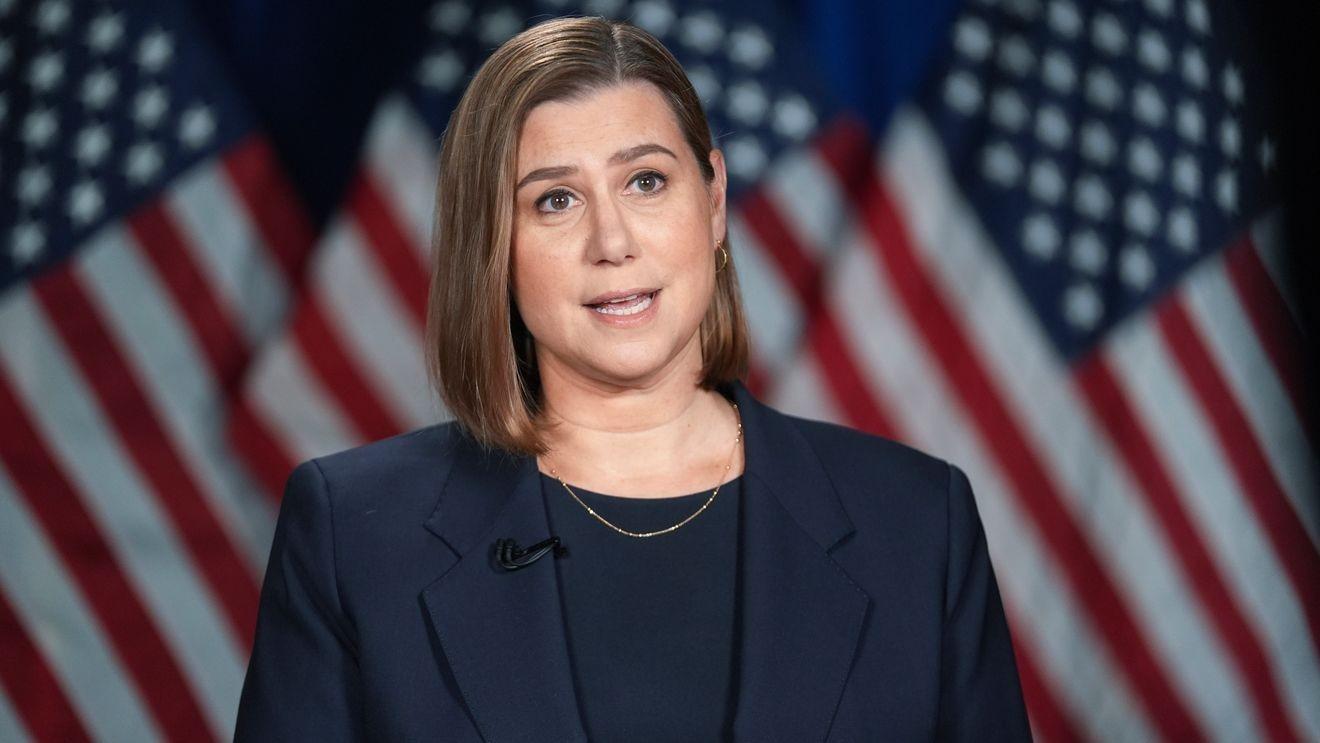
Senators Mark Kelly and Elissa Slotkin and four representatives featured in the video Video told military and intelligence members to refuse illegal or unlawful orders
18 outlets told this the same way.
Outlets did split on Trump Interrupted by Protesters at San Antonio Rally for Ken Paxton →
FBI seeks lawmaker interviews
The FBI sought to arrange interviews with six Democratic lawmakers after they appeared in a short video urging service members and intelligence personnel to refuse orders they believe are unlawful.
“The FBI has sought to schedule interviews with six Democratic lawmakers after they posted a controversial video urging service members and intelligence officials to refuse illegal orders.”
Multiple mainstream outlets report the bureau asked Capitol Police or the sergeants-at-arms to coordinate scheduling for the interviews, and that the request follows a politically charged backlash to the video.
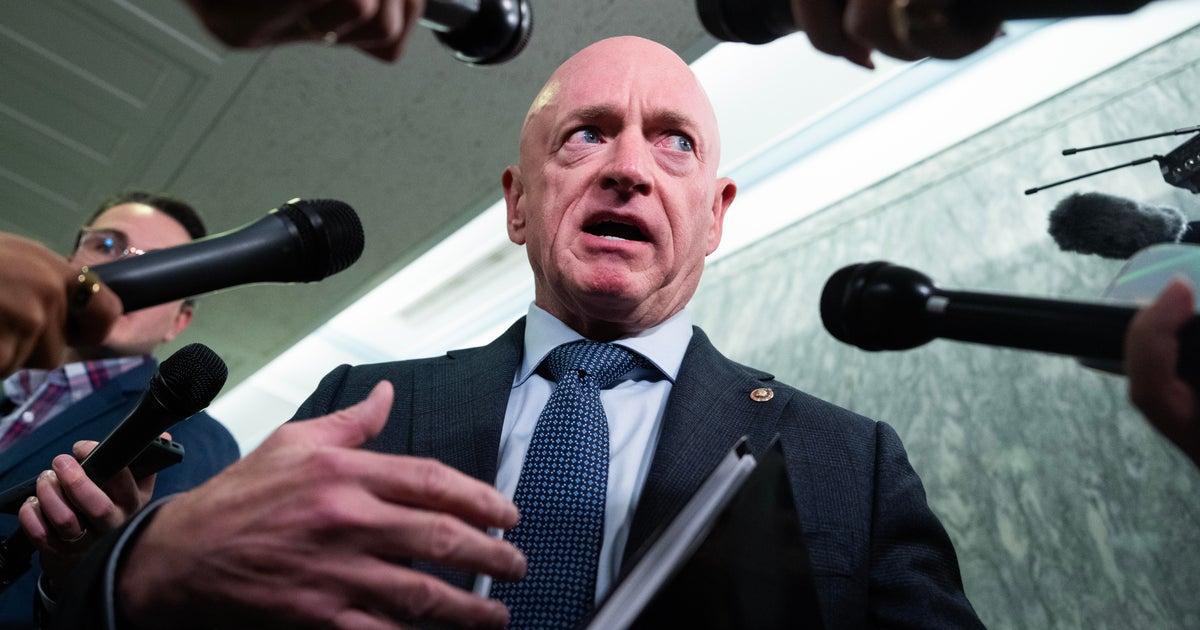
The matter has also prompted Pentagon scrutiny of at least one participant, Sen. Mark Kelly, as authorities and lawmakers navigate legal and security concerns tied to the statements in the clip.
Oath reminder video by lawmakers
The six lawmakers identified across multiple reports are Sen. Mark Kelly, Sen. Elissa Slotkin and Representatives Jason Crow, Chrissy Houlahan, Maggie Goodlander and Chris Deluzio.
The video, released on X and described as roughly 90 seconds by local reporting, urged service members and intelligence personnel that they must refuse unlawful orders and reminded troops of their oath to the Constitution.

Outlets note the participants are often characterized as having military or national-security backgrounds, which the lawmakers and some commentators said lent credibility to the legal reminder.
Reactions to released video
The release of the video produced immediate and stark political pushback. President Trump denounced the remarks as seditious behavior and called for severe punishment, language many outlets described as extreme, and other administration figures and allies echoed sharp denunciations. At the same time, legal and military experts quoted in mainstream coverage said urging troops to refuse unlawful orders is a recognized legal obligation under military law, and some commentators warned that aggressive political and investigatory responses risk chilling protected speech by elected officials.
“President Trump responded by calling for their arrest and trial and posting, ‘SEDITIOUS BEHAVIOR, punishable by DEATH!’”
Investigations and political reactions
Officials have already taken or signaled investigatory steps: outlets report the Pentagon opened an inquiry into Sen. Mark Kelly's potential breach of military law and discussed recalling him to active duty for court-martial or administrative action, and the FBI requested meetings that were routed through Capitol security channels.
Democrats portrayed the FBI contact as an intimidation tactic, while some conservative and administration-aligned sources framed the outreach and Pentagon review as appropriate responses to what they called irresponsible rhetoric.
Legal and political implications
Beyond the immediate investigatory steps, journalists and legal experts cited in coverage warn about broader implications, including questions about separation of powers, whether invoking military-law procedures against a retired officer who is now a senator is appropriate, and whether the government's response could chill political speech.
“Scholars called the Pentagon probe into Kelly ‘questionable’ or ‘groundless’ and warned the administration’s response risks chilling free speech, threatening separation of powers, and intimidating elected officials.”
Outlets differ in how much they emphasize those constitutional and safety concerns versus the administration's arguments that the video was dangerously irresponsible or illegal.
