
FBI Seeks Nationwide Access to Automated License Plate Readers Without a Warrant
Key Takeaways
- FBI seeks access to ALPR data, enabling tracking nationwide without warrants.
- Contract seeks near real-time ALPR data from nationwide cameras, budget up to $36 million.
- Private vendors would supply ALPR data to the FBI.
FBI seeks nationwide ALPR access
The FBI is seeking to buy nationwide access to automated license plate readers (ALPRs) in order to track vehicle movements across the country without a warrant, according to FBI procurement records reviewed by 404 Media.
“The FBI wants to buy access to automated license plate readers (ALPRs) nationwide, which would likely allow the agency to track the movements of vehicles—and by extension people—across the country without a warrant, according to FBI procurement records reviewed by 404 Media”
Ars Technica reports the FBI said it will award contracts to one or more vendors that can offer “near real time” information from cameras across the US, with the proposed contract for the FBI Directorate of Intelligence.

In its Request for Proposals published on May 14, the FBI said it requires “License Plate Readers (LPRs) for tracking subjects on roads and highways over the US and its territories,” and it specified that the system must cover 75 percent of locations.
The FBI also said the system must provide the ability to search for license plate information and “other descriptive data such as vehicle description information, time/date criteria, and geo-location criteria,” and it must be capable of providing the data in near real time.
Newsweek adds that the FBI is reportedly willing to pay up to $36 million for nationwide access, which would let the agency log into a Software as a Service (SaaS) and query collected ALPRs using license plate information, a description of the vehicle, a time or date, and geolocation information.
Vendors, queries, and “near real time”
Straight Arrow News says the FBI is looking for a vendor to provide access to data gathered by license plate readers, with procurement documents seeking license plate reader cameras stationed throughout the U.S. mainland as well as in Alaska, Hawaii, Puerto Rico, Guam and the U.S. Virgin Islands.
Straight Arrow News quotes an FBI document saying, “This data should be available across major highways and in an array of locations for maximum usefulness to law enforcement,” and it adds the FBI wants to run queries based on a vehicle’s license plate number as well as its make, model and color.
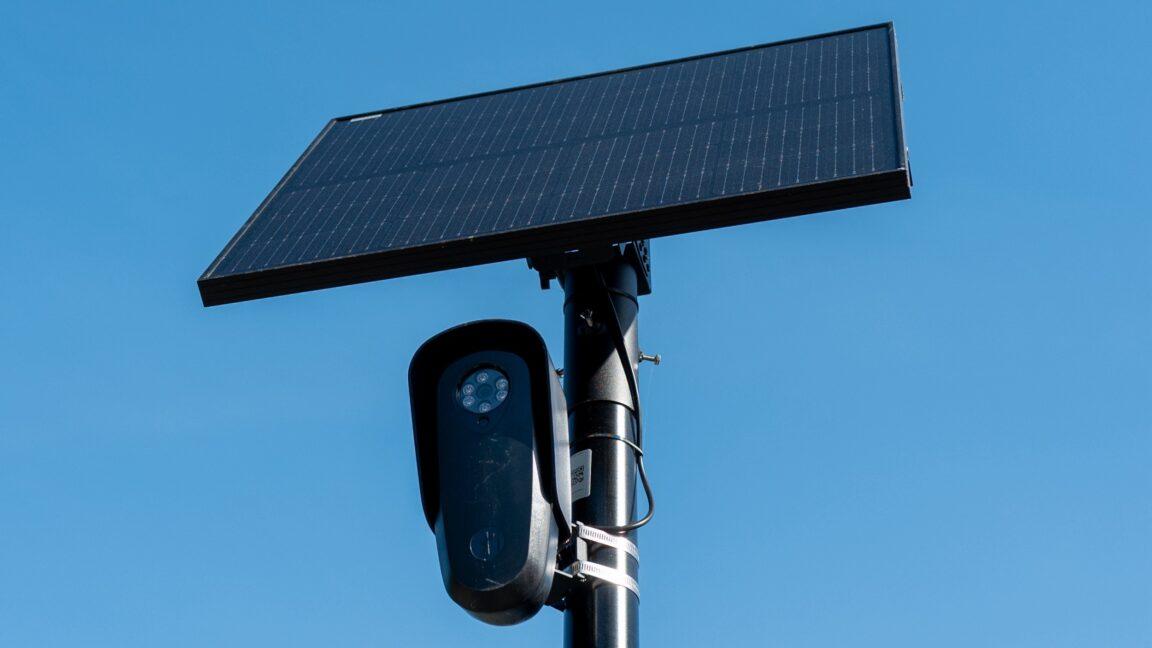
Newsweek describes how the FBI would use ALPR data through a SaaS login to query collected readers with license plate information, a description of the vehicle, a time or date, and geolocation information, and it says ALPR systems capture and store license plate number, location, date and time.
Ars Technica reports the FBI said contractors must be able to search for partial or full plate numbers, plate states, addresses, locations where a plate was scanned, and vehicle makes and models.
Straight Arrow News also says the FBI’s directorate of intelligence is seeking a vendor with access to coverage areas and that it has expressed willingness to split the contract between two vendors if necessary.
Backlash and accountability pressure
The FBI’s plan is arriving as protests and pushback against ALPRs have spread around the country, according to 404 Media’s review of the procurement records.
“The Federal Bureau of Investigation (FBI) is reportedly willing to pay up to $36 million to access automated license plate reader (ALPR) data nationwide, a purchase that would allow the agency to track vehicle movements across the country without a warrant”
Straight Arrow News describes backlash tied to alleged misuse of license plate reader data, including a police officer in Milwaukee facing criminal charges after allegedly using data gathered by Flock’s license plate reader cameras to track his then-girlfriend and her ex.
Straight Arrow News says the incident was uncovered after the officer’s ex-girlfriend used a website called HaveIBeenFlocked to see if her vehicle had ever been queried by law enforcement, and it adds that audit logs obtained from police departments through public records requests revealed abuses.
The same account says Flock Safety sought, unsuccessfully, to have the website taken down, and it notes that legislation aimed at blocking the release of audit logs through public records requests was introduced in Arizona around the same time.
Newsweek frames the legal concern by saying the plan would allow the FBI to track a person’s movements without the need to go through a judge and obtain a warrant, including those of millions of ordinary drivers who have never committed a crime.
More on USA

Analyses Link Donald Trump’s Greenland Push to U.S. Expansionism From the Monroe Doctrine
11 sources compared

Aspen Acres Fire Forces Evacuations Near Denver, Destroys 160 Structures in Colorado
11 sources compared

Trump Uses July 4 250th Birthday for Political Rallies in Washington
14 sources compared

New York Harbor Welcomes More Than 40 Tall Ships for Sail4th 250 Anniversary Parade
13 sources compared