Techonology and Science23 December, 20252 min read
FDA Approves Novo Nordisk's First Oral Wegovy Weight-Loss Pill
This article is an automated aggregation of coverage from news outlets. Our editorials offer in-depth analysis curated by the NewsCord team.
FDA approved the first daily oral GLP-1 medication for chronic obesity treatment Novo Nordisk’s once-daily 25 mg oral semaglutide matches injectable weight-loss efficacy

13 outlets told this the same way.
FDA clears oral semaglutide
The U.S. Food and Drug Administration has approved Novo Nordisk's once-daily oral semaglutide 25 mg tablet, the first pill version of Wegovy cleared for chronic weight management.
“The FDA approved Novo Nordisk’s once-daily oral semaglutide 25 mg tablet (a pill form of Wegovy) for chronic weight management in adults with obesity or overweight plus at least one related health condition, sending the stock up about 9.5% in after-hours trading.”
Industry and media describe the decision as a major milestone for obesity treatment and for Novo Nordisk's competitive position.
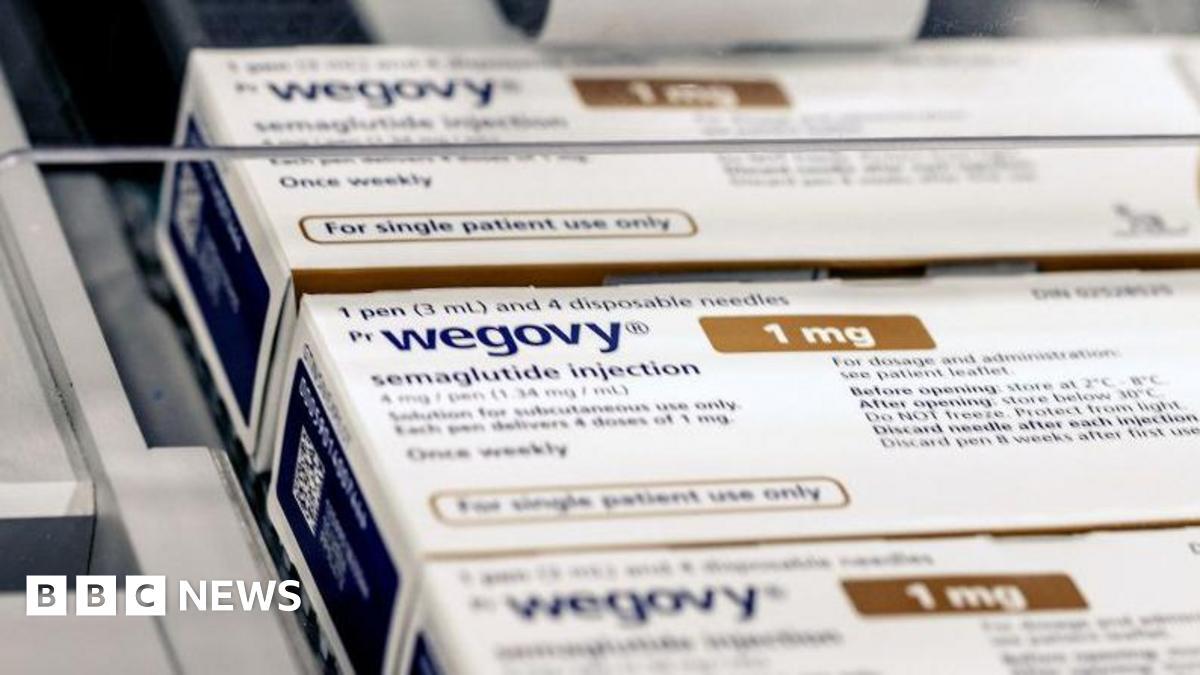
Reports note the approval follows pivotal late-stage trials and that the drug is slated to reach U.S. pharmacies early in January 2026, with Novo planning regulatory submissions in other regions soon.
Coverage highlights both clinical impact and market implications, from broader access for people who prefer pills to changes in the competitive landscape with rivals such as Eli Lilly still pursuing oral options.
Weight loss trial findings
Clinical trial evidence reported across outlets shows substantial weight loss versus placebo, but the exact figures quoted differ between sources. Some coverage cites the 64‑week study results presented by Novo — an average 16.6% weight loss for participants on the 25 mg dose versus 2.7% for placebo. Other reporting and trial summaries cite roughly 13.6% average loss over about 15 months, with placebo near 2.1–2.2%.
Outlets also note that trial sizes vary by report, for example OASIS‑4 had about 307 adults while other summaries refer to trial populations of around 1,300. Several sources caution that real‑world effectiveness will need postapproval monitoring.
Wegovy dosing and tolerability
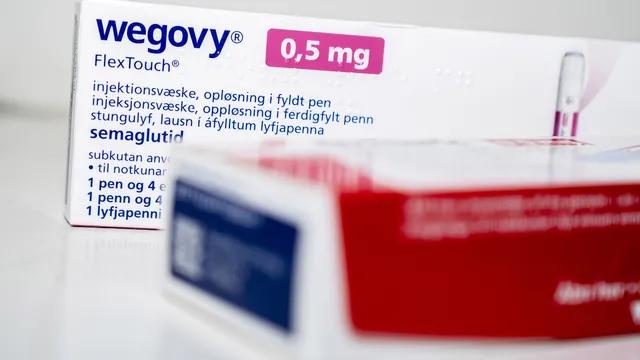
Coverage emphasizes administration rules, tolerability, and comparative convenience. Multiple outlets report that the Wegovy pill must be taken on an empty stomach with only a small sip of water and a 30-minute wait before eating. That fasting restriction is tied to how the drug is absorbed orally.
“The pill must be taken immediately on waking on an empty stomach and patients must wait 30 minutes before eating or drinking, which could make adherence harder for some.”
Reported common side effects mirror injectable GLP-1s — nausea, diarrhea and other gastrointestinal symptoms — and a minority of trial participants stopped treatment because of adverse effects. Coverage contrasts Wegovy with rival oral candidates, notably Lilly’s orforglipron, which are described as having no such fasting restriction and therefore could offer a practical adherence advantage.
Pricing, access and market impact
Sources diverge on how they frame pricing, access, and the broader market impact. Several outlets report that Novo and U.S. officials recently discussed lower starting-dose pricing and that initial self-pay offers or policy agreements could set starting oral doses near $149–$150 per month through certain channels.
Other reporting stresses uncertainty about insurance coverage and longer-term affordability. Market-oriented coverage places the approval in a multi‑billion‑dollar GLP-1 growth story and notes how a pill format could expand the addressable population, while analysts and doctors caution that real-world adoption depends on cost, coverage, and tolerability.