FDA Limits Autism Drug Approval After Trump Administration Sought Broad Green Light
Key Takeaways
- Trump administration promoted leucovorin as a treatment for a broad swath of autistic people
- FDA declined to approve broad leucovorin use, contradicting the administration's earlier push
- Administration touted leucovorin's effectiveness despite being described as unproven
FDA narrows approval
The Food and Drug Administration approved leucovorin (a prescription-strength form of vitamin B9) on Tuesday but limited its approval to a rare genetic disorder — cerebral folate deficiency — rather than as a treatment for autism spectrum disorder, reversing the broader endorsement sought by the Trump administration.
“In September, the Trump administration took what it called “bold actions” on autism that included touting the generic drug leucovorin as a promising treatment”
The agency said the drug is approved for CFD in patients with a confirmed mutation, and explicitly not for autism itself, narrowing the scope of the earlier White House statements.
The decision follows months of public attention after senior administration officials publicly suggested a wider label change for autism that the FDA ultimately declined to make.
Political push
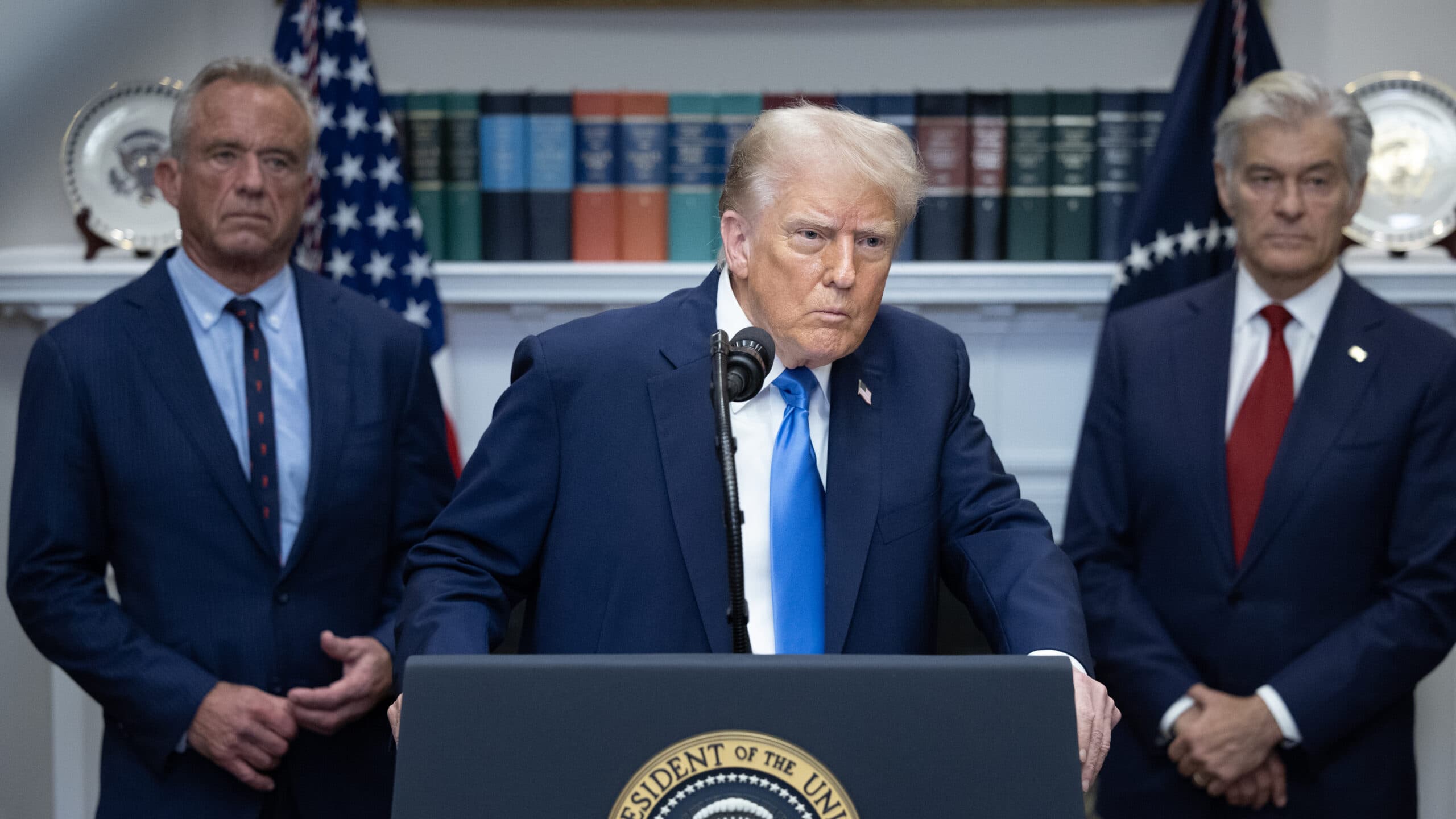
The announcement came after a public push by the Trump administration that framed leucovorin as potentially beneficial for autism symptoms; President Trump and administration allies promoted a broader label change in September.
The White House briefing included statements that the updated label would “reflect potential benefits in reducing some autism symptoms,” and an administration official and allies publicly touted the drug’s promise.

Those public claims drove high public attention and pressure on regulators ahead of the FDA’s narrower decision.
Evidence and criticism
Regulators and the medical community said the clinical evidence did not support a broad autism approval; FDA officials told reporters the data “didn't support” expanding the indication and senior agency staff said they found “little evidence” for use in autism.
“Democracy Dies in Darkness By Megan R”
Medical and scientific groups had publicly warned that approving folinic acid for autism would be premature and risk raising false hopes given the limited and small studies to date.
In response, the FDA limited approval to patients with confirmed CFD genetics and emphasized the evidence-driven narrowing of the label.
Prescription spike and fallout
The public push had immediate market effects: prescriptions for leucovorin surged after the White House attention, with one study finding outpatient prescriptions for children ages 5 to 17 rose by 71 percent in the three months after the administration’s actions.
The spike shows how political messaging and early regulatory signals can drive prescribing behavior even before regulators finalize formal indications.
While the FDA said the drug would remain available for off-label use, the official approval’s narrower scope may temper future prescribing trends.
More on Technology and Science

Chemical odor forces FAA to halt flights across DC-area airports
27 sources compared

Apple Cuts China App Store Commissions to 25% After Regulator Pressure
25 sources compared

FBI Investigates Hacker Who Uploaded Malware-Laced Games to Steam
12 sources compared

University of Cambridge Researchers Urge Tighter Regulation Of AI Talking Toys For Under-Fives
10 sources compared