USA01 May, 20266 min read
Federal Judge Dale E. Ho Blocks Trump From Ending Temporary Protected Status for Yemeni Migrants
Judge Dale E. Ho blocked ending TPS protections for about 3,000 Yemeni nationals. Ruling in Manhattan's Southern District of New York temporarily extends TPS for Yemenis.
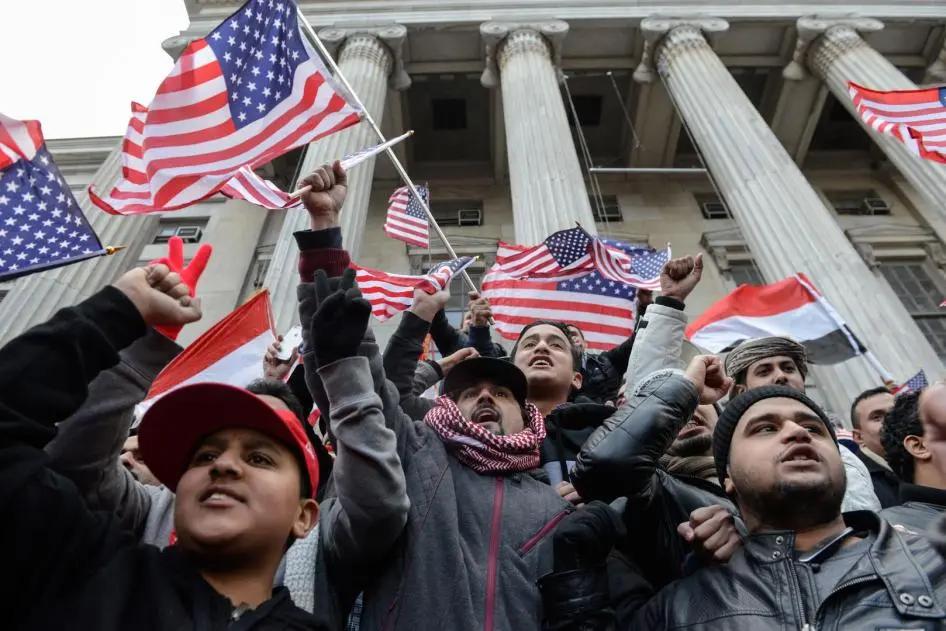
Judge Halts Yemen Deportations
A federal judge in Manhattan blocked the Trump administration from ending Temporary Protected Status for Yemeni migrants, issuing an emergency ruling that prevented removals that were set to take effect on Monday.
The New York Times reported that “a federal judge in New York on Friday blocked the Trump administration from revoking temporary legal protections next week for Yemeni migrants,” and said the decision came from Judge Dale E. Ho of Federal District Court in Manhattan.

The Guardian similarly said Ho “blocked the Trump administration from forcing about 3,000 Yemeni refugees to leave the US,” extending TPS temporarily while a lawsuit proceeds.
The ruling was tied to the government’s effort to end pathways for people fleeing humanitarian crises, with the Times describing the protections as allowing people to “live and work in the United States.”
The Guardian added that Ho extended the status “temporarily while a lawsuit seeking to preserve the protections plays out.”
Yemen Monitor / Reuters described the same Manhattan court action, saying Ho “issued a judicial ruling to halt the implementation of a plan aimed at ending the Temporary Protected Status (TPS) for approximately 3,000 Yemeni citizens residing on U.S. soil.”
Across outlets, the central effect was the same: the judge stopped the government from carrying out the planned TPS termination for Yemen while the case continues.
Law, Process, and Criticism
The judge’s decision was grounded in a dispute over whether the Trump administration followed the legal process required to end Temporary Protected Status.
The New York Times said Judge Dale E. Ho wrote that “the government had ignored the law when it tried to deport people who had been rigorously vetted in order to receive Temporary Protected Status.”

The Times also described the TPS program as “decades-old humanitarian program” that lets people “live and work in the United States,” and said Ho found that the government’s approach conflicted with the TPS statute.
It reported that Ho wrote “T.P.S. holders from Yemen are not ‘killers, leeches, and entitlement junkies,’” and framed the ruling as a response to the government’s attempt to remove people who had been “granted status to be here because the government has repeatedly determined” Yemen faced an ongoing armed conflict.
The Guardian provided additional detail on the judge’s criticism, saying Ho “criticized former homeland security secretary Kristi Noem, saying Congress had established a process for temporary protected status to be altered or rescinded, but she had not followed it.”
It also quoted the social media language that Ho referenced, including Noem’s statement recommending “a full travel ban “on every damn country that’s been flooding our nation with killers, leeches, and entitlement junkies”.”
The Law / Other item said Ho ruled that DHS “was required under law to consult with other federal agencies before moving to end the Temporary Protected Status Program for Yemen.”
Numbers, People, and Stakes
The court action centered on a specific group size and on individual circumstances described in the judge’s written decision. The Guardian said Ho’s ruling addressed “about 3,000 Yemeni refugees,” and it also stated that “among 2,810 Yemenis who hold TPS status and another 425 who have applied” were included in the case’s scope. The Guardian added that Ho described a “pregnant 33-year-old Detroit woman due to give birth this month whose unborn child has a congenital heart condition that is not treatable in Yemen,” and also referenced “a 50-year-old former human rights worker in Brooklyn who is a target of Houthi-aligned militias in Yemen.”
“This comes amid fears that the termination would lead to the deportation of those affected, the loss of their jobs, and the destabilization of their families.”
The Hindu likewise reported the same overall figure, saying Ho blocked the Trump administration from forcing “about 3,000 Yemeni refugees to leave the U.S.” and said the protections were due to end on Monday (May 4). It also described TPS as allowing people to “remain in the U.S., may not be removed from the country, and are able to receive work and travel authorisation.”
The Yemen Monitor / Reuters account said the decision temporarily obstructed a government move that would have ended legal protections allowing Yemenis “to live and work legally,” and said the termination raised fears of “deportation,” “the loss of their jobs,” and “the destabilization of their families.” The GV Wire item tied the ruling to the administration’s broader immigration agenda, saying the judge blocked the plan “effective Monday” and noting that the Supreme Court had taken up similar rulings involving “more than 350,000 people from Haiti and 6,100 from Syria.”
Voices: Advocates and DHS
The ruling drew immediate reactions from advocates and included a response from the Department of Homeland Security.
The Guardian quoted Razeen Zaman, director of immigrant rights at the Asian American Legal Defense and Education Fund, saying that “the court has made clear that humanitarian statutes like TPS cannot be used as a deportation pipeline.”
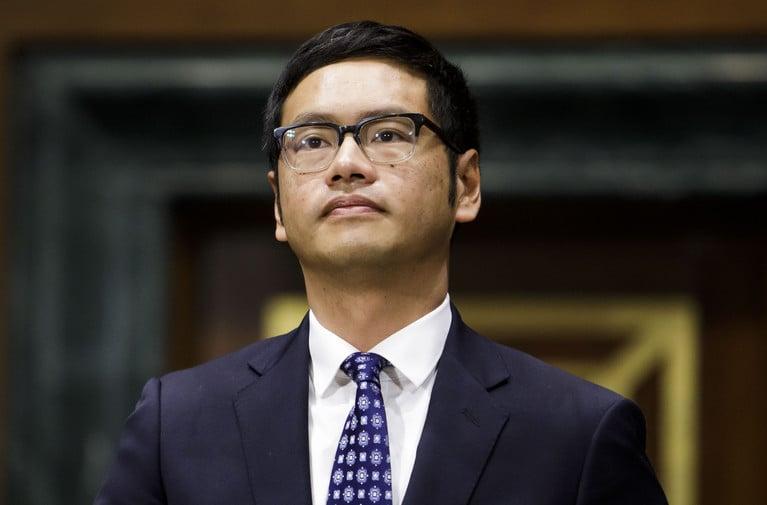
Zaman also said in a release that Homeland Security had determined it was unsafe for Yemeni refugees to return to their country “but terminated their protection anyway,” and the Guardian reported that Ho’s ruling “affirms that protection must be based on facts and conditions on the ground, not on the political appetite to end it.”
The Guardian also included a statement from the U.S. Department of Homeland Security saying, “Temporary means temporary and the final word will not be from activist judges legislating from the bench.”
The New York Times described the judge’s language as strongly worded, including the line “T.P.S. holders from Yemen are not ‘killers, leeches, and entitlement junkies,’” and it framed the decision as a “fragile victory” for migrants.
The Hindu added direct quotes from plaintiffs, including one plaintiff saying the people fighting to preserve protections were “doctors, engineers, and pilots like myself, and also drivers, deli workers, and countless other people who contribute meaningfully every day, supporting not just our own families but the broader fabric of society.”
It also quoted another plaintiff calling the decision “a lifeline for my family,” saying “It is the moment we finally breathed a sigh of relief after months of existential anxiety.”
How Outlets Framed the Same Ruling
While all the reports described Ho’s emergency order blocking Yemen TPS termination, they emphasized different aspects of the dispute and the broader immigration fight.
The New York Times foregrounded the legal rationale, saying Judge Ho wrote that “the government had ignored the law,” and it also connected the case to a Supreme Court decision involving “similar deportation protections for Haitians and Syrians.”

The Guardian, by contrast, emphasized the scale and the judge’s critique of Kristi Noem’s process, stating that Ho extended TPS “temporarily while a lawsuit seeking to preserve the protections plays out” and quoting Noem’s early-December social media message about a “full travel ban.”
The Al Jazeera report framed the ruling as “the latest legal setback for the president’s immigration crackdown,” and it described the Supreme Court’s involvement by saying the conservative-majority U.S. Supreme Court “agreed earlier this week to consider an appeal” of similar rulings.
The Law / Other item focused on procedural requirements, stating Ho ruled DHS “was required under law to consult with other federal agencies,” and it also introduced a separate class action in Brooklyn alleging “secretive, unconstitutional arrest campaigns in New York.”
The Hindu added a date-specific framing, saying the judge blocked the administration on “Friday (May 1, 2026)” and that protections were due to end on “Monday (May 4),” while also detailing the same 2,810-and-425 breakdown and the personal circumstances in Ho’s decision.
Meanwhile, GV Wire highlighted the timing and the Supreme Court’s docket, noting that the judge issued the order “two days after the conservative-majority U.S. Supreme Court took up the administration’s appeal” and that the administration sought to terminate TPS for “13 countries.”