USA25 November, 20252 min read
Federal Judge Dismisses Donald Trump's Orchestrated Prosecutions Against James Comey And Letitia James Over Unlawful Appointment Of Handpicked Prosecutor Lindsey Halligan
U.S. District Judge Cameron McGowan Currie dismissed indictments against James Comey and Letitia James. Currie ruled interim U.S. attorney Lindsey Halligan was unlawfully appointed.

15 outlets told this the same way.
Outlets did split on Trump Interrupted by Protesters at San Antonio Rally for Ken Paxton →
Indictments Dismissed on Procedural Grounds
On Nov. 24–25, 2025, U.S. District Judge Cameron McGowan Currie dismissed criminal indictments against former FBI Director James Comey and New York Attorney General Letitia James after finding that the prosecutor who brought those charges lacked lawful authority.
“Because Halligan was the sole prosecutor who presented the matters to grand juries, the judge concluded that ‘all actions flowing from’ her defective appointment must be set aside and dismissed the indictments.”
Currie declared that actions taken by the interim prosecutor were "unlawful" and set aside the indictments, which were dismissed without prejudice, leaving open the technical possibility of refiling under a properly authorized prosecutor.
The ruling centered on the appointment process rather than the underlying allegations against Comey and James, emphasizing that the prosecutor's installation was defective and that "all actions flowing from" her appointment had to be voided.
Prosecutor appointment legality
Judge Currie’s legal findings stressed both statutory and constitutional problems with the appointment. Several outlets cited the 120-day statutory limit under 28 U.S.C. §546, and the judge concluded that Bondi’s attempt to retroactively fix the appointment by designating a special or differently titled prosecutor failed.
Courts therefore treated Halligan’s presentation to grand juries and her signing of indictments as invalid. The decision repeatedly invoked the principle that interim prosecutors require proper authority and that the Appointments Clause can be implicated when the wrong procedure is used.
Reactions to prosecution rulings
The political context and reactions were sharply divided across sources. Coverage noted that President Trump had pressed for prosecutions of critics. The Justice Department said it would appeal, and Pam Bondi defended the prosecutions, vowing to pursue legal options.
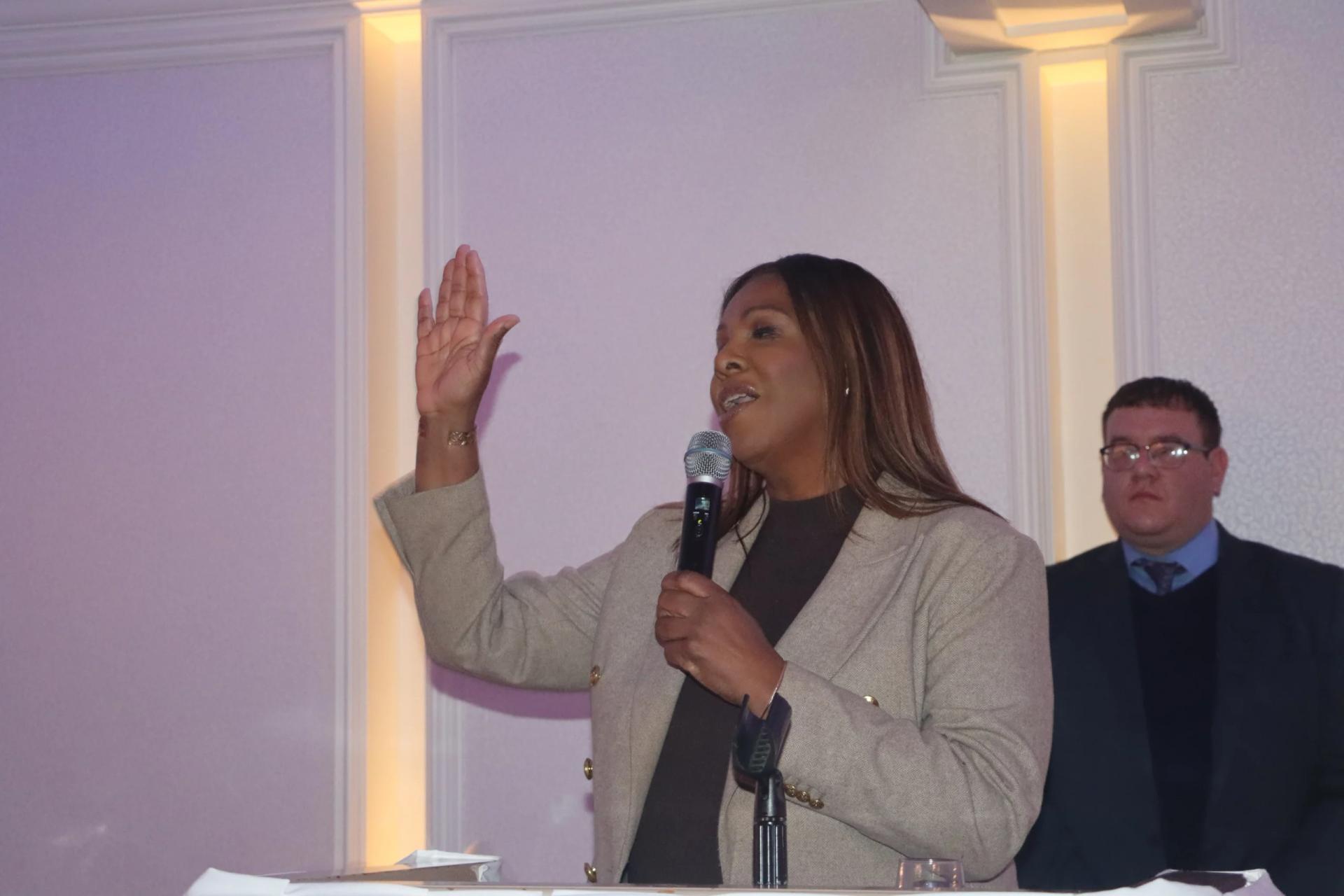
“Reactions were sharp and divided: one person quoted in the story said they are innocent, unafraid and trust the independent federal judiciary while expecting to be targeted again.”
Defendants and their allies welcomed the ruling, with Comey praising the independent judiciary and Letitia James saying she was heartened, while White House spokespeople continued to assert the appointment's legality. Several outlets highlighted how the dismissals feed into broader narratives about the DOJ's politicization and the administration's push to target perceived opponents.
Practical effects of ruling
News outlets and analysts debate the ruling’s practical effects beyond immediate appeals. Although the dismissals were labeled without prejudice, practical barriers - most notably the statute of limitations in Comey’s case - may prevent refiling.
Legal analysts have also noted split authority in other districts regarding improperly served interim U.S. attorneys. The judge’s order removes the current indictments but leaves open legal and political maneuvers, as the DOJ can appeal and potentially refile while countervailing legal limits and prior judicial skepticism make outcomes uncertain.
Outlets' framing of ruling
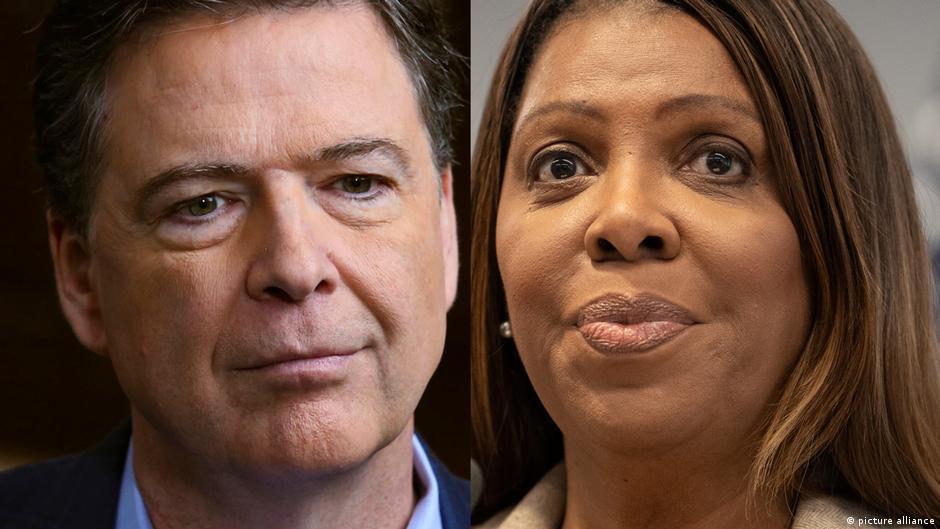
Judge Currie found an unlawful appointment and set aside the charges. Western mainstream outlets (AP, CNN, Newsweek, DW) emphasize legal doctrine, procedural failings, and implications for DOJ practice. Western alternative and local outlets (Hollywood Unlocked, Brooklyn Eagle) foreground partisan reactions and personal statements.
“The decision does not address the merits of the allegations; it focuses solely on the legality of Halligan’s installation.”
Asian outlets (South China Morning Post, Firstpost) stress the handpicked nature of the prosecutor and her lack of prosecutorial experience. Legal analysis sites (Jurist) frame the decision as a constitutional issue under the Appointments Clause. Readers should note that while the central judicial finding is consistent, each outlet highlights different aspects—legal technicalities, political motives, personal reactions, or broader institutional concerns.
&w=1920&q=75)