Business24 February, 20263 min read
FedEx Sues U.S. Government Seeking Refund After Supreme Court Invalidates President Donald Trump's Emergency Tariffs
Supreme Court struck down President Donald Trump's emergency tariffs as unlawful under the IEEPA FedEx sued in the U.S. Court of International Trade seeking a full tariff refund

54 outlets told this the same way.
Outlets did split on CATL Starts Trial Production at Debrecen Battery Cell Plant in Hungary →
FedEx seeks tariff refunds
FedEx filed an 11-page complaint in the U.S. Court of International Trade days after the U.S. Supreme Court struck down President Trump’s use of the International Emergency Economic Powers Act (IEEPA) to impose broad import tariffs.
“FedEx has sued the U.S. government in the U.S. Court of International Trade, seeking a full refund of tariffs it paid that were imposed by President Donald Trump last year.”
The complaint seeks a 'full refund' of duties FedEx paid and says the company 'suffered injury' from the levies.
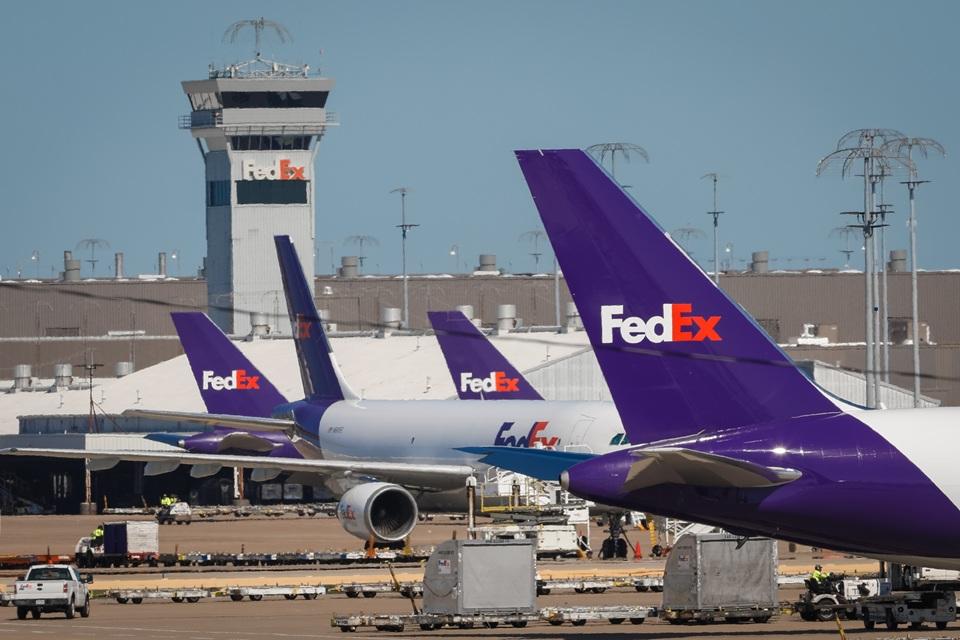
Multiple outlets report the suit names U.S. Customs and Border Protection, CBP commissioner Rodney Scott, and the United States as defendants, and say the high court left the question of refunds to lower courts.
The filing makes FedEx the most prominent corporate claimant so far in the aftermath of the 6–3 decision that the IEEPA-based tariffs were unlawful.
FedEx tariff lawsuit
The complaint explicitly names U.S. Customs and Border Protection and CBP Commissioner Rodney Scott among the defendants and asks the trade court to reliquidate entries, remove the unlawful duties and refund money with interest.
FedEx says it is acting as an importer of record and seeks relief for the financial harm it says the tariffs caused.

Several reports note FedEx did not disclose the dollar amount sought in the filing, though the company previously warned the policy could slice roughly $1 billion from its earnings and that the end of the $800 de minimis exemption increased costs.
Legal commentators and trade-law observers say the Court of International Trade has exclusive jurisdiction to provide remedial relief on IEEPA tariff disputes, leaving lower courts to determine refund mechanisms.
Tariff refunds and impact
The scale of the potential refunds — and the fiscal and economic stakes — is a central thread across coverage. Reports cite Treasury and collection figures ranging from more than $130 billion to roughly $175 billion in contested duties, while some outlets cite FedEx warnings that the policy could shave about $1 billion from its earnings.
Studies and government figures reported by news outlets also underline broader macro effects: one report places the tariffs’ decade‑long economic impact at about $3 trillion and others cite a New York Fed study finding that U.S. businesses and consumers bore nearly 90% of the cost. Together those numbers explain why legal observers say billions of dollars in refund claims could follow FedEx’s suit and why the mechanics of repayment are now front‑and‑center.
Tariff decision and responses
Even as FedEx presses for refunds, the executive branch and Congress have taken immediate, divergent actions. The administration moved to reimpose temporary global tariffs under Section 122 of the Trade Act, imposing an initial 10% duty the White House said could be raised to 15%. The Supreme Court’s majority declined to prescribe a refund process, leaving courts and regulators to map the path forward.
Some Senate Democrats are drafting a bill to require Customs to issue refunds with interest and to prioritize small businesses. The White House and the Justice Department have at times signalled they would follow court rulings.
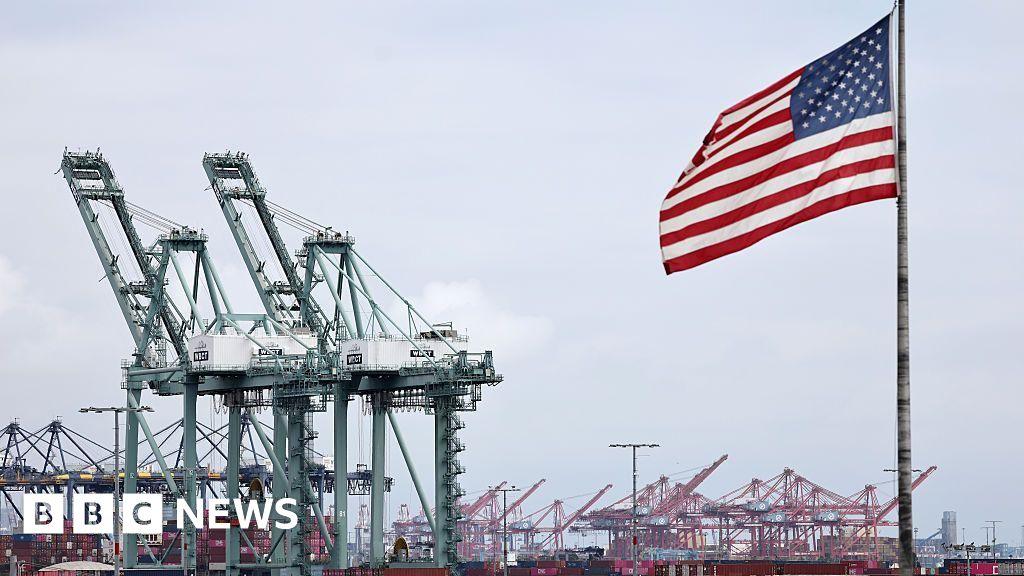
President Trump publicly denounced the decision and signalled alternative tariff authority. Media accounts capture both his sharp criticism of the justices and the administration’s quick use of Section 122 as a stopgap.
Refund claims and impact
What comes next is uncertain but consequential: analysts and legal experts expect a wave of refund claims and years of litigation or administrative rule‑making to sort eligibility, timing and interest. Several outlets report hundreds or thousands of pending refund suits and warn the Supreme Court’s refusal to set a centralized repayment plan could leave many importers to seek court‑ordered reliquidation one case at a time.
“More than 1,500 refund lawsuits are pending and over 300,000 importers paid the contested tariffs by the end of 2025.”
For investors and companies, immediate implications include potential balance‑sheet recoveries if refunds are granted, ongoing uncertainty about whether refunds will be passed to customers, and possible market effects as firms and lawmakers push for an orderly remedy. FedEx’s suit is therefore both a legal claim and a signal to other importers that the path to reclaiming contested duties is now being tested in court.
