Full Analysis Summary
Wad al-Zaki ferry sinking
A wooden ferry carrying 16 people sank in the White Nile at Wad Alzaky (Wad al-Zaki) on Saturday, leaving four people rescued and 12 missing, according to the Sudan Doctors Network and local reports.
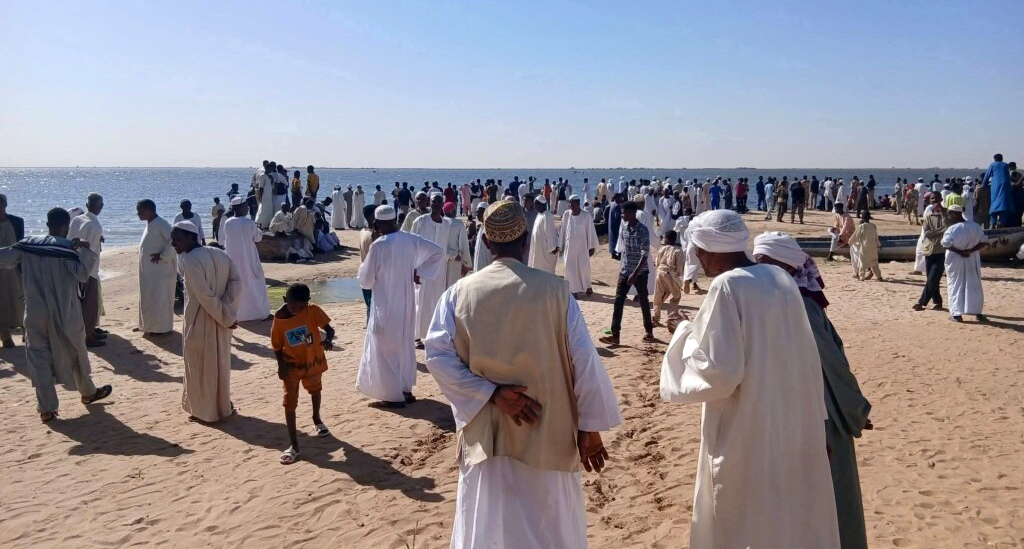
Volunteers and residents have joined searches with small boats while police and activists also comb the river.
AP7AM says the ferry capsized in the Wad al-Zaki area of White Nile State, central Sudan, while crossing to attend a wedding.
Al-Jazeera notes that a boat carrying 16 people, including women, sank Saturday morning in the Wad al-Zaki area of White Nile State and that the Sudan Doctors Network said four were rescued and 12 remain missing as searches by residents, police and volunteers continue.
Dabanga reports the same core facts, saying four people were rescued and search operations continue for the other 12 with members of the public joining the efforts.
Coverage Differences
Narrative detail
AP7AM provides the context that the boat was ‘crossing to attend a wedding,’ while Al-Jazeera and Dabanga report the sinking without that specific motive; Al-Jazeera adds that the boat included women and specifies search actors, and Dabanga focuses on the simple account and the Sudan Doctors Network statement calling for action.
Reports on river sinkings
This sinking is reported as the second fatal river incident within a week.
Sources differ on the scale and casualty counts of the earlier incident.
Dabanga says the earlier January 11 ferry carrying at least 27 people sank in the Nile near Taiba Al‑Khawad and Dim Al‑Qra in Shendi locality (River Nile state), killing 21.
Al-Jazeera reports local officials recovered 21 bodies and the Sudan Doctors Network estimates more than 27 victims from a ferry that was carrying about 30 people.
AP7AM presents a broader range of reported figures, saying the earlier disaster left many dead, with reports putting fatalities between about 15 and 21 while the Sudan Doctors Network said more than 15 died and six survived.
These differences show uncertainty over exact numbers across outlets and quoted sources.
Coverage Differences
Contradiction
The three sources give different casualty figures for the earlier River Nile State sinking: Dabanga records ‘killing 21’ from a ferry ‘carrying at least 27 people’; Al-Jazeera combines an official recovery count of 21 bodies with the Sudan Doctors Network’s higher estimate of ‘more than 27 victims’; AP7AM reports varying early estimates (‘between about 15 and 21’) and cites the Sudan Doctors Network saying ‘more than 15 died and six survived.’ These are differing counts reported by the sources, not new claims by the assistant.
News reports on Sudan drownings
Reporting differs on causes and broader context.
AP7AM explicitly links such drownings to structural and environmental factors, saying, 'Overloaded wooden boats, few bridges and flood-season conditions make such deadly incidents common in rural Sudan.'
Dabanga and AP7AM both quote the Sudan Doctors Network calling on authorities to tighten safety controls and inspect vessels.
Dabanga says the network 'has called on authorities to tighten safety controls for river vessels,' while AP7AM reports it 'urged authorities to inspect river boats, enforce safety rules and provide life-saving equipment.'
Al-Jazeera focuses more on the search and community response, noting activists posted images and residents watched from the banks as volunteers searched.
Coverage Differences
Tone
AP7AM frames the sinkings as part of recurring, structural problems (overloaded boats, few bridges, flood-season), using a preventative, systemic tone; Dabanga emphasizes the Sudan Doctors Network's call for tighter safety controls; Al-Jazeera emphasizes the human and community response (activists, residents, police and volunteers) and describes some circumstances as ‘unclear.’
Variations in reporting
Sources also offer differing local details.
Al-Jazeera reports that 'Residents said all passengers on a recent ill-fated boat were from the village of Wad al-Jatra,' a detail not included in AP7AM or Dabanga.
AP7AM mentions women among the passengers and the wedding purpose, saying volunteers 'in small boats combing the river while residents watched from the banks.'
Dabanga sticks to the core rescue and missing numbers and the Sudan Doctors Network's appeal, without naming passenger villages.
These distinctions show variance in how much local color and witness detail each outlet includes.
Coverage Differences
Missed Information
Al-Jazeera includes a passenger-origin detail—‘all passengers ... were from the village of Wad al-Jatra’—that is absent from AP7AM and Dabanga. AP7AM supplies context about a wedding crossing and mentions volunteers and watchers; Dabanga omits those local specifics, focusing on numbers and the Sudan Doctors Network statement.
River incident reporting
Dabanga reports that the Sudan Doctors Network has called on authorities to tighten safety controls for river vessels.
AP7AM reports that the Sudan Doctors Network urged authorities to inspect river boats, enforce safety rules and provide life-saving equipment.
Al-Jazeera emphasizes that the circumstances of some sinkings remain unclear and that searches are ongoing.
Taken together, the sources describe a community-led search response, repeated pleas for stronger safety enforcement, and inconsistent casualty figures for the earlier disaster, underscoring both the immediate human cost and reporting uncertainty.
Coverage Differences
Narrative Framing
Dabanga and AP7AM foreground the Sudan Doctors Network's calls for regulatory action and equipment, while Al-Jazeera highlights ongoing uncertainty about circumstances and recovery figures; this shapes whether coverage focuses more on policy fixes (Dabanga/AP7AM) or on unresolved facts and community impact (Al-Jazeera).