Africa24 November, 20252 min read
Fifty Students Escape Islamist Gunmen After Mass Kidnapping at Nigerian Catholic School
This article is an automated aggregation of coverage from news outlets. Our editorials offer in-depth analysis curated by the NewsCord team.
Gunmen abducted about 303 students and 12 teachers from St Mary's in Papiri, Niger State. Fifty pupils escaped captivity and have reunited with their families.

36 outlets told this the same way.
Niger school abductions
Gunmen attacked St. Mary's Catholic boarding school in Papiri, Niger state, in the early hours and seized hundreds of people from the hostel area.
“At least 50 of the 303 people abducted from St Mary’s Catholic school in northwest Nigeria this week have escaped and been reunited with their families... 253 pupils and 12 teachers remain captive.”
Local and church officials reported large-scale abductions, and by the weekend about 50 pupils had escaped and been reunited with their families while scores remained missing.
Many reports give varying totals, but several outlets say roughly 303 students and 12 teachers were taken.
About 50 pupils fled between Friday and Saturday and were reunited with relatives, leaving roughly 250-265 pupils and the teachers still unaccounted for.
Security forces, including the military, police, tactical squads and local vigilante "hunters", have been deployed to search forests and routes for the captives.
Authorities ordered widespread school closures in several northern states amid the wave of kidnappings.
School reopening and response
Officials and church leaders sharply criticized the school for reopening without adequate clearance after the state government said it had warned about heightened threats. The school and church groups disputed some of those claims and urged cooperation with security agencies.
Federal and state responses included ordering the closure of dozens of federal colleges and other schools in conflict-prone areas and deploying security forces to pursue the kidnappers. President Bola Tinubu canceled or postponed planned foreign travel to receive security briefings, and vice-presidential and defence officials have been dispatched to manage the crisis.

Kidnapping surge in Nigeria
Analysts and many media reports place the raid in a wider pattern of kidnappings across north-central and north-western Nigeria involving criminal 'bandit' gangs, ransom-seeking groups and, in some regions, a religiously motivated insurgency, but outlets differ on how to characterise motives and victim profiles. Observers point to the Kebbi State abduction of schoolgirls and attacks on churches as part of the same surge. Security experts say many past mass kidnappings have ended with negotiated releases after ransom talks, while observers emphasise the humanitarian toll and school closures.
“Terrorists in Nigeria target anyone who rejects their ideology — Muslims, Christians and the non‑religious — though most victims are Muslim because jihadist violence is concentrated in the north.”
Public and church reactions
Coverage highlights the human and moral fallout from the incident. Parents and clergy described frantic searches and pleas for prayer. The Pope and other church leaders called for the immediate release of hostages.
Political figures and commentators expressed condemnation and pressed for stronger action. Reporting also shows deep public anger over perceived security failings and accusations of corruption or inaction.
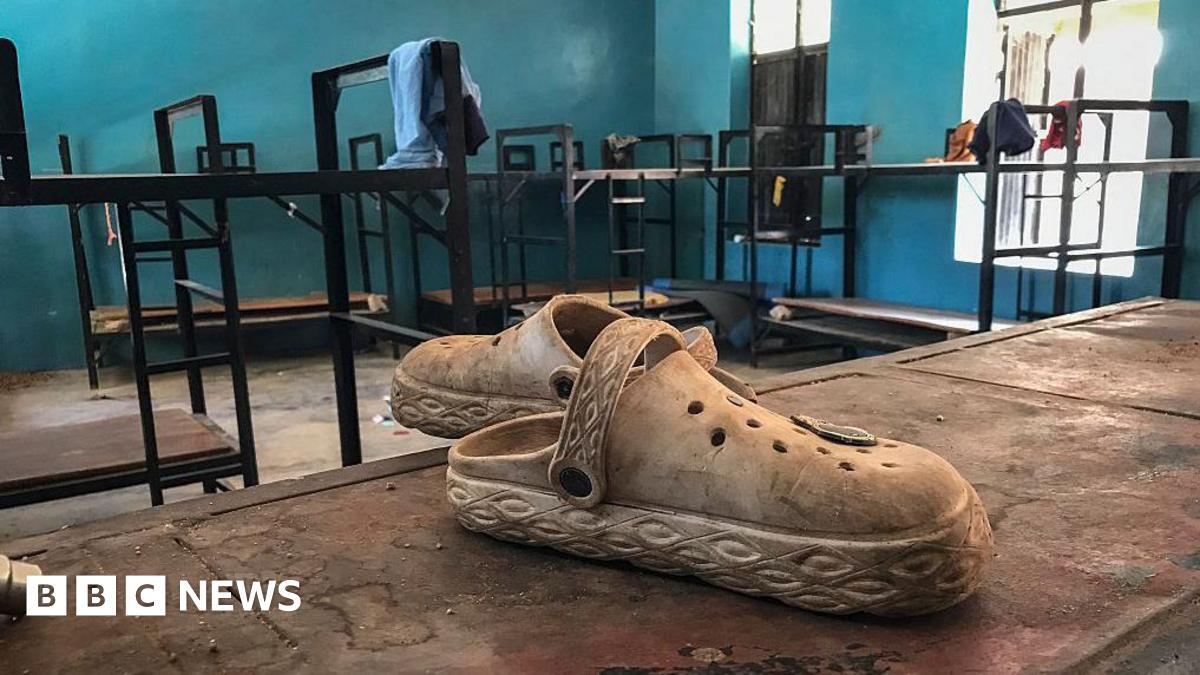
Relatives crowded the school while searching for children. Church spokespeople and local bishops urged calm even as families demanded urgent rescue operations.