India01 February, 20262 min read
Finance Minister Nirmala Sitharaman Raises Securities Transaction Tax to Curb F&O Mania After Markets Plunge
Government raised securities transaction tax on equity derivatives (futures and options) STT increase aims to curb speculative F&O trading after markets plunged sharply

19 outlets told this the same way.
STT hike and market reaction
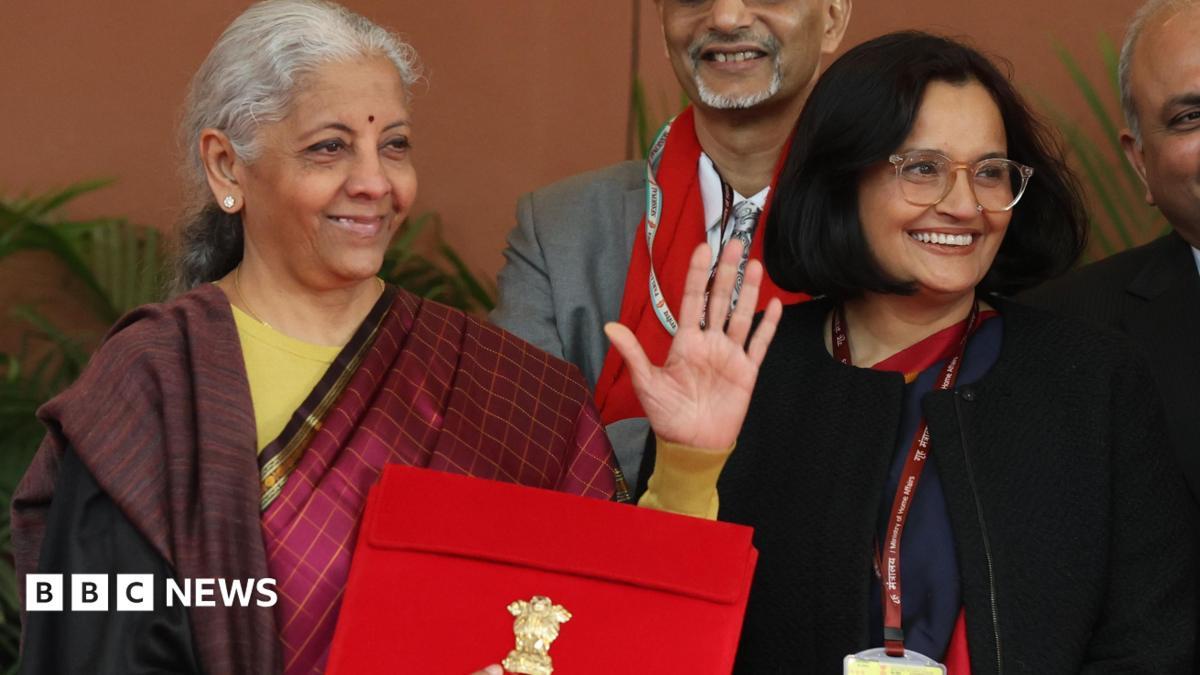
Finance Minister Nirmala Sitharaman raised the securities transaction tax (STT) on derivatives in the 2026–27 Union Budget to discourage speculation and address systemic risk. Markets reacted sharply to the surprise increase. The BSE Sensex fell 911.30 points mid-session.
“Markets fell after Finance Minister Nirmala Sitharaman presented her ninth consecutive Union Budget. Mid-session, the BSE Sensex dropped 911.30 points (1.11%) to 81,358.48 and the NSE Nifty fell 282.85 points (1.12%) to 25,037.80, pressured by a surprise hike in securities transaction tax (STT): futures STT was raised from 0.02% to 0.05% and options-premium STT from 0.10% to 0.15%.”
The NSE Nifty dropped 282.85 points mid-session. Analysts tied the market pressure to the STT hike. The government and the Revenue Secretary described the rise as modest relative to market volumes and as intended to curb speculative F&O activity.
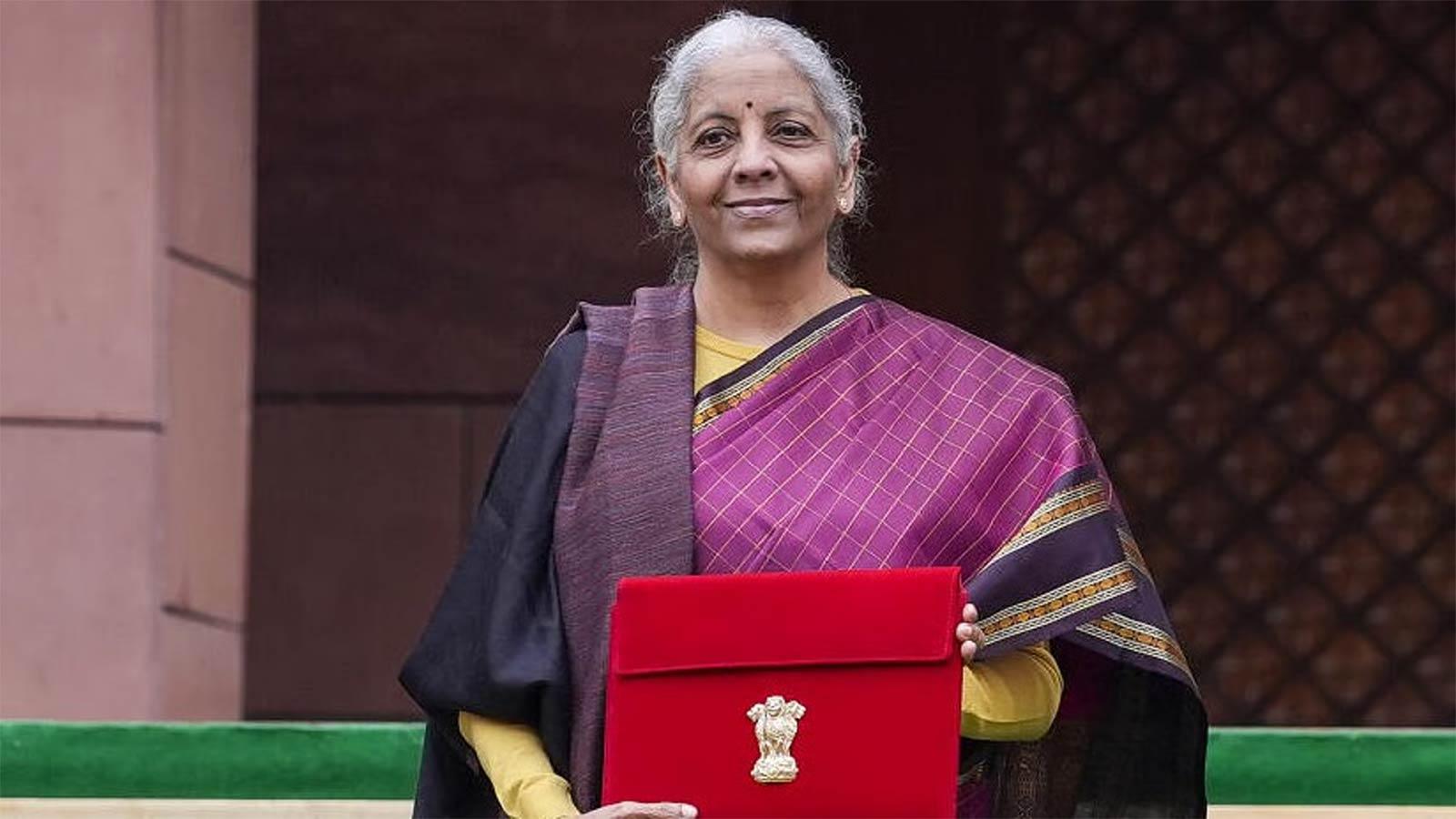
Several outlets reported the specific changes. Futures STT was increased from 0.02% to 0.05%. Options-premium STT moved from 0.10% to 0.15%.
Reactions to STT hike
Reactions to the STT hike were mixed across market veterans, industry groups and political opponents. NDTV Profit reported market veteran Shankar Sharma praising the move, calling derivatives 'socially harmful' and saying it curbs a speculative practice that transfers wealth to F&O specialist brokers.
BusinessLine and other outlets recorded industry concern that higher costs could be counterproductive. Opposition voices also used the Budget to register broader critiques on jobs, manufacturing and household savings, indicating the tax change fed into larger political narratives.
Manufacturing and minerals focus
The STT change formed part of a budget that emphasized manufacturing, infrastructure and technology resilience. The finance minister highlighted semiconductor initiatives, dedicated rare-earth corridors across Odisha, Kerala, Andhra Pradesh and Tamil Nadu, and a ₹10,000 crore Biopharma Shakti fund to boost domestic biotech. Capital expenditure was raised about 9% to ₹12.2 lakh crore.
“Big-ticket allocations: Bio-Pharma SHAKTI launched with ₹10,000 crore over five years; Semiconductor Mission 2.0 announced, with emphasis on industry-led research... Higher capital spending: Centre’s capex for FY 2026–27 raised about 9% to ₹12.2 lakh crore.”
Industry leaders and corporate chairs, including Vedanta’s Anil Agarwal, welcomed the focus on critical minerals and increased flexibility for SEZs. Their support indicates private-sector backing for the manufacturing and strategic-minerals thrust.
Tax and regulatory reforms
Alongside the STT change, the Budget proposed wide tax and regulatory reforms intended to simplify compliance and attract global tech investment. A new Income Tax Act will take effect from April 1, 2026. Safe‑harbour rules for IT services were unified with a 15.5% margin.
The safe‑harbour threshold for IT services was raised sharply from ₹300 crore to ₹2,000 crore. A tax holiday was proposed for foreign companies providing cloud services globally using Indian data centres, subject to conditions. The government also signalled more taxpayer-friendly processes, such as refunds of TDS even if returns are filed late.

STT policy signals
Observers said the STT increase and simultaneous policy thrusts create competing near-term and longer-term signals. The Times of India warned that the higher STT could dent short-term, derivative-focused foreign portfolio investor flows after heavy January outflows.
“Analysts said the higher STT will raise transaction costs and could dent short-term, derivative-focused foreign portfolio investor flows (FPIs) already hit by >Rs 41,000 crore equity outflows in January 2026, though long-only FPIs are less likely to be deterred.”
The Budget raises capital expenditure to ₹12.2 lakh crore and lays out growth and fiscal projections that aim to support medium-term demand. Sources diverge on whether the STT will materially slow financial-market liquidity or is a calibrated step within a broader industrial and tax-reform package.
