Africa15 December, 20251 min read
Flash Floods Kill 37 in Morocco's Safi Province
This article is an automated aggregation of coverage from news outlets. Our editorials offer in-depth analysis curated by the NewsCord team.
Flash floods in Safi killed at least 37 people. One hour of torrential rain flooded about 70 homes and businesses in Safi.

19 outlets told this the same way.
Safi flash flood aftermath
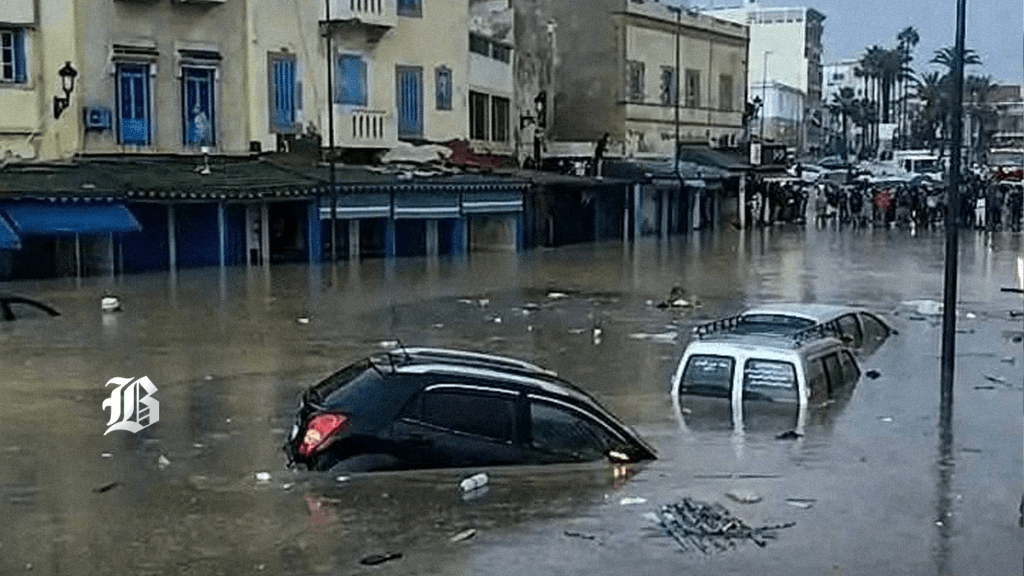
At least 37 people were killed and 14 others hospitalized after torrential, short duration rainfall triggered flash floods in Morocco's Atlantic coastal province of Safi, officials said. Authorities said the sudden storm, described by several outlets as roughly an hour of heavy downpour, inundated the historic old town, swept cars and debris through streets, and submerged about 70 homes and businesses.
“At least 37 people have died after flash floods struck the Atlantic port city of Safi, Morocco, following a sudden hour of torrential rain, authorities said.”
Two of the hospitalized were reported in intensive care. State and local authorities said search-and-rescue operations were underway as waters receded and residents began salvaging mud-soaked belongings.
Flood rescue and aftermath
Rescue teams used boats and other emergency measures to evacuate people and retrieve those swept into streets. Videos circulated showing submerged vehicles and rescuers pulling people to safety near historic gates. Roads, including provincial route 2300 toward Hrara, were cut off in places.
Schools across the province were suspended or closed as a precaution. By Sunday evening, waters in many areas had largely receded, leaving mud, debris and damaged property.

Environmental context of floods
Several outlets linked the damage and heightened flash-flood risk to an extended seven-year drought that left reservoirs depleted. Other outlets and some observers invoked climate-related shifts in extreme weather. Multiple sources recalled past deadly floods in Morocco as part of a pattern of recurring extreme events.
“Officials and observers linked the extreme downpour to increasingly unpredictable weather from climate change, noting that years of drought have hardened soils and raised flash‑flood risk.”
Flood response and investigations
Authorities have faced scrutiny after Morocco’s Public Prosecutor in Safi opened a judicial investigation into the circumstances of the floods. Residents questioned whether warnings and infrastructure were adequate.
Media reported calls for compensation and for heightened vigilance as forecasts warned of more heavy rain in coming days. Hospitals treated dozens, and two people were listed in intensive care.