Full Analysis Summary
Kurdish mobilization and aid
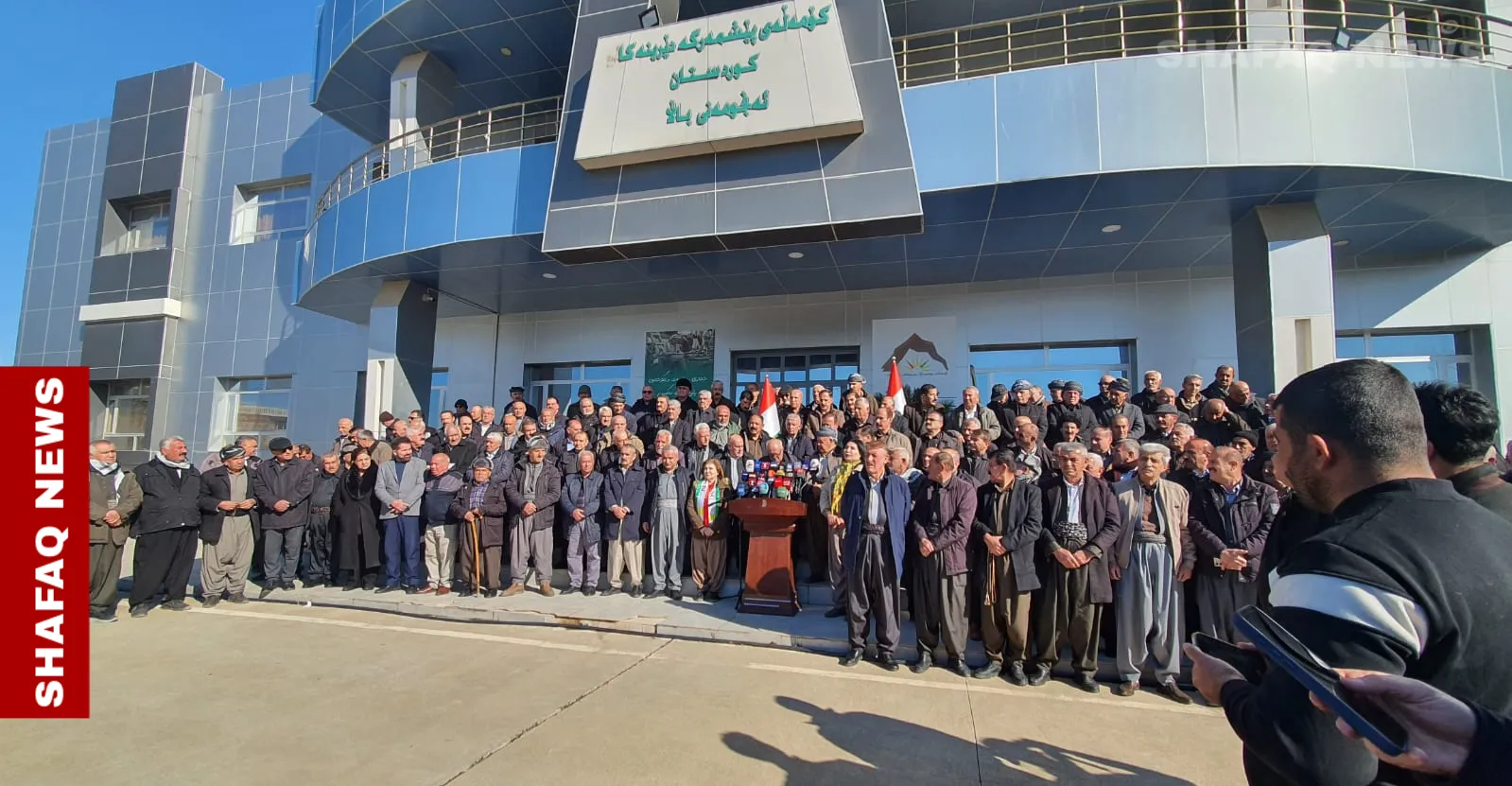
Former Peshmerga fighters in the Kurdistan Region, speaking through the Peshmerga Veterans Association, urged a broad Kurdish mobilization and demanded that border crossings be opened to allow humanitarian and popular support into Rojava after what they described as renewed assaults on Kurdish areas in northern and eastern Syria.
The association's head, Jamil Horami, accused armed factions linked to Damascus and the so-called "new Syrian army" of past massacres and said Kurds in the area face "brutal attacks".
Horami called on both the Iraqi federal government and the Kurdistan Regional Government to permit assistance.
Reports indicate that fighting around Kurdish-held areas prompted the Syrian Democratic Forces to call on "all of our youth" to join the resistance, signaling a wider mobilization on the ground.
Coverage Differences
Tone and Actor Emphasis
شفق نيوز (West Asian) emphasizes the organized appeal from former Peshmerga and the humanitarian/popular-support framing — quoting Jamil Horami’s accusations against Damascus-linked factions and his appeal to Iraqi and KRG authorities — while en.964media (Other) highlights the SDF’s internal mobilization call to “all of our youth” and frames the response as a wartime resistance. This reflects a difference in emphasis: شفق نيوز foregrounds the veterans’ institutional appeal and humanitarian rationale, whereas en.964media foregrounds the SDF’s call and youth mobilization as an immediate defense response.
Kurdish protests for Rojava
Mass demonstrations erupted across the Kurdistan Region of Iraq, with protesters gathering in Erbil, Sulaymaniyah, Kirkuk and other cities to demand international protection for Rojava and denounce attacks on Kurdish areas.
Demonstrators staged rallies outside international missions and consulates, briefly blocked roads at times, held late-night gatherings, and organized buses to carry volunteers toward the Syrian border.
Artists and residents described the violence as an assault on civilians and Kurdish identity, and crowds called for urgent international intervention.
Coverage Differences
Detail and Attribution
شفق نيوز (West Asian) reports protests in Erbil, Al‑Sulaymaniyah, Kirkuk and notes demonstrations outside the UN mission and the US consulate, emphasizing calls for international intervention and reports of shelling of residential areas. en.964media (Other) lists a broader set of Kurdistan cities (Sulaymaniyah, Duhok, Zakho, Halabja, Koya and Erbil), notes organizers arranging buses to transport volunteers, and describes demonstrators explicitly blaming outside actors including Turkey — even reporting a torn Turkish flag at a visa office in Duhok. The two sources thus share protest reporting but differ on specific locations, actions (flag‑tearing, bus organization) and explicit assignment of external blame.
Kurdish community responses
Veterans and local activists framed the attacks as part of a pattern of aggression against Kurdish civilians and institutions, invoking historical grievances.
شفق نيوز reports Horami explicitly cited past massacres linked to factions he accuses of being tied to Damascus, and he urged authorities to allow humanitarian aid and popular support.
en.964media complements this by describing the SDF's call to mobilize youth.
Artists and residents described the violence as an assault on Kurdish identity, language that underscores communal alarm and a defense narrative rather than purely humanitarian appeals.
Coverage Differences
Narrative Focus
شفق نيوز (West Asian) highlights accusations of past massacres and frames the call as a humanitarian and popular-support appeal from veterans to Iraqi and KRG authorities, while en.964media (Other) frames events more explicitly as a defense/resistance mobilization, quoting the SDF’s appeal and local portrayals of the violence as an attack on Kurdish identity. Each source reports actors’ claims (e.g., Horami’s accusations and the SDF’s call) rather than asserting independent verification.
Attempts to reach Iraq-Syria border
Attempts by volunteers and demonstrators to reach the frontier met Iraqi security measures.
Shafaq News reported that in Nineveh's Sinjar district dozens tried to reach the Iraq-Syria border via the closed, unofficial Al-Faw crossing after an SDF mobilization call.
Iraqi border guards blocked passage and reinforced security along the border, citing safety concerns and the crossing's unofficial status.
en.964media documented grassroots organizing — buses and late-night rallies — aimed at sending people toward the border, suggesting a disconnect between popular mobilization and official border controls.
Coverage Differences
Security Response vs. Popular Mobilization
شفق نيوز (West Asian) provides detail on Iraqi border guards actively blocking passage at the unofficial Al‑Faw crossing and reinforcing border security, reporting official justifications (safety, unofficial status). en.964media (Other) emphasizes grassroots logistics — buses and volunteers — that aim to reach the border. The two sources together show both the popular will to mobilize and the state’s constraints, but neither provides independent confirmation of clashes at the crossing.
Media perspectives on violence
Both sources report alarm, mobilization, and calls for international protection, and both record local claims that external actors are involved in the violence; they differ in detail and emphasis.
en.964media emphasizes explicit blame of external states, naming Turkey’s alleged support for Damascus in protesters’ statements, while شفق نيوز focuses on veterans’ appeals, alleged past massacres, and the Iraqi authorities’ border response.
Only the two provided snippets were available, so comparisons are limited to these West Asian (شفق نيوز) and Other (en.964media) perspectives; a broader cross‑type comparison is not possible with the material given.
Coverage Differences
Omissions and Source Scope
Because only شفق نيوز (West Asian) and en.964media (Other) were provided, there are limitations: neither source offers extensive independent verification of battlefield events or casualty figures in these snippets, and en.964media includes details about blaming outside actors (including Turkey) that شفق نيوز does not emphasize. This omission affects how readers understand responsibility and the balance between humanitarian appeals and militarized mobilization.