930 WFMD Free Talk
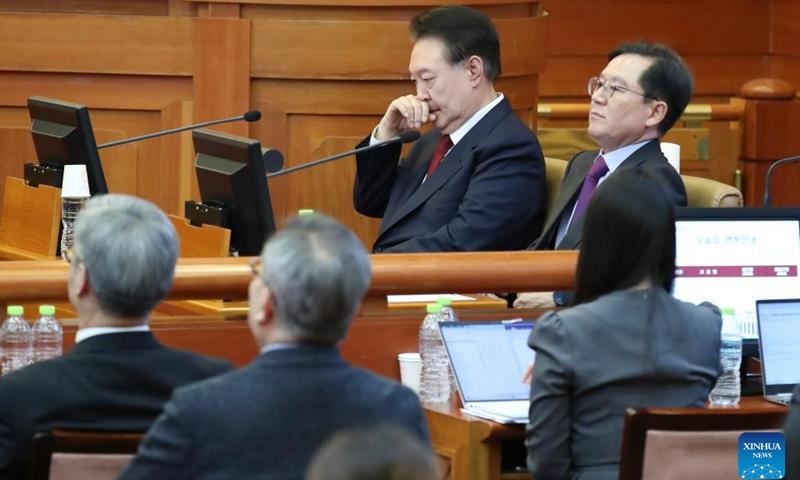
South Korean court rules ex‑President Yoon Suk Yeol guilty in insurrection trial
 @globaltimesnews
No title found
 @globaltimesnews
No title found
 @globaltimesnews
No title found
 aapnews.aap.au
S.Korea's ousted Yoon handed life in jail for rebellion
 Al Jazeera
South Korea’s ex-President Yoon gets life in prison for insurrection
 Amnesty International
South Korea: Life sentence for Ex-President Yoon a significant step towards accountability
 Anadolu Ajansı
South Korea jails ousted President Yoon for life over martial law bid
 Anadolu Ajansı
TIMELINE - South Korea’s ousted President Yoon sentenced to life in prison over martial law
 AnewZ
AnewZSouth Korea’s ex-president Yoon Suk Yeol sentenced to life for insurrection in martial law case
 Asia Pacific Foundation of Canada
What Yoon Suk Yeol’s Life Sentence Means for South Korea’s Democracy
 Australian Broadcasting Corporation
South Korea's ex-president Yoon Suk Yeol sentenced to life over insurrection
 babel.ua
Former South Korean president sentenced to life in prison for attempting to impose martial law
 BBC
BBCSouth Korea's ex-president jailed for life over martial law attempt
 BBC
BBCYoon Suk Yeol: South Korea’s ex-president jailed for life for masterminding an insurrection
 BBC
BBCYoon Suk Yeol: South Korea’s ex-president jailed for life for masterminding an insurrection
 BBC
BBCYoon Suk Yeol: South Korea’s ex-president jailed for life for masterminding an insurrection
 Benzinga
Ousted South Korean President Yoon Suk Yeol Sentenced To Life Over Martial Law Attempt
 Business Upturn
Who is Yoon Suk Yeol? Ex-South Korean President sentenced to life in prison
 Businessday NG
South Korea’s former president Yoon Suk Yeol jailed for life over insurrection
 Businessday NG
South Korea’s former president Yoon Suk Yeol jailed for life over insurrection
 Capital Brief
Former South Korean president sentenced to life in prison for leading insurrection
 Castanet
Former South Korean president receives life sentence for imposing martial law in 2024
 CBS News
Former South Korean President Yoon gets life sentence for rebellion, imposing martial law
 CCTV English
S. Korea's ex-president Yoon sentenced to life in prison on insurrection
 China Daily
S. Korea's ex-president Yoon apologizes to public for own shortcomings
 chinadailyasia
S. Korea's ex-president Yoon sentenced to life in prison on insurrection
 CNA
CNASouth Korean court hands life term to ex‑President Yoon in insurrection trial
 CNBC
CNBCFormer South Korean president Yoon Suk Yeol gets life sentence over martial law attempt
 CNBC Africa
Former South Korean president Yoon Suk Yeol gets life sentence over martial law attempt
 CNN
CNNFormer South Korean president sentenced to life in prison
 CNN
CNNEx-President Yoon sentenced to life imprisonment
 Daily Maverick
South Korean court hands life term to ex‑President Yoon for insurrection
 Democracy Now!
South Korea’s Former President Sentenced to Life in Prison
 DW
DWWhat's next for South Korea after Yoon's life sentence?
 DW
DWSouth Korean court hands life sentence to ex-president Yoon
 El Mundo America
Former president of South Korea sentenced to life imprisonment for leading an insurrection after declaring martial law
 El País
South Korea's justice system sentences former president Yoon Suk-yeol to life imprisonment for insurrection in declaring martial law.
 Euronews
South Korea's former President Yoon Suk-yeol sentenced to life in prison for imposing martial law
 Fine Day 102.3
Former South Korean President Gets Life Sentence After Failed Martial Law Attempt
 Fine Day 102.3
Former South Korean President Gets Life Sentence for Failed Martial Law Attempt
 Fine Day 102.3
Former South Korean President Issues Apology After Receiving Life Sentence
 Firstpost
How South Korea's Yoon Suk Yeol went from rising star to ex-president jailed for life
 Fox News
South Korean court rules ex‑President Yoon Suk Yeol guilty in insurrection trial
 France 24
South Korea sentences ex-president Yoon to life in prison for 2024 insurrection
 Geo News
Yoon Suk Yeol handed life sentence for insurrection in South Korea: Here's what we know
 Global Banking & Finance Review®
Key events in South Korean ex-President Yoon's route from martial law to life in prison
 Global Banking & Finance Review®
Martial law gambit made convict of South Korea's Yoon, once a lawman
 Global News
Life in prison for former South Korean president Yoon Suk Yeol in historic insurrection ruling
 GZERO Media
Hard Numbers: Former South Korean President sentenced to life, New insurgent group in Nigeria, Air power build up in the Middle East, and Bankers need sleep too
 JAPAN Forward
Ex-South Korean President Yoon Sentenced to Life for Insurrection
 Japan Wire by KYODO NEWS
S. Korea's ex-President Yoon gets life sentence for leading insurrection
 Just Jared
Ex-South Korean President Yoon Suk Yeol Sentenced to Life in Prison Over 2024 Martial Law Order
 KATU
KATUEx-South Korean President Yoon receives life sentence for imposing martial law
 KED Global
S.Korea’s ex-President Yoon Suk Yeol sentenced to life imprisonment for leading insurrection
 Khaleej Times
'I deeply apologise': South Korea's ex-President Yoon regrets declaring martial law
 Korea JoongAng Daily
Ex-President Yoon found guilty of leading insurrection, sentenced to life in historic ruling
 Korea JoongAng Daily
Ex-President Yoon's sentence to life in prison leaves both supporters, opponents unsatisfied
 Korea JoongAng Daily
Yoon apologizes for causing 'hardship' but stands by martial law decision
 Latest news from Azerbaijan
South Korea ex-president Yoon apologises after life term
 lbc.co.uk
Former South Korean president jailed for life after declaring martial law
 Le Monde.fr
South Korean ex-president Yoon Suk Yeol sentenced to life in prison for insurrection
 Lethbridge News Now
Former South Korean President Yoon receives life sentence for imposing martial law
 London Evening Standard
South Korea sentences impeached ex-president to life in prison for insurrection
 Los Angeles Times
Former South Korean president receives life sentence for imposing martial law in 2024
 MarketForces Africa
South Korean Court Hands Life Sentence To Ex-President Yoon
 Mint
MintFormer South Korean President Yoon Suk Yeol found guilty of insurrection, sentenced to life imprisonment
 Modern Diplomacy
Former President Yoon Sentenced to Life for Martial Law Insurrection
 Modern Diplomacy
South Korea’s Ex-President Yoon Apologises After Life Sentence Over Martial Law
 Morocco World News
South Korea Sentences Former President Yoon Suk Yeol to Life for Insurrection
 MS NOW
Former Prince Andrew’s arrest, Yoon Suk Yeol’s sentence and the power of accountability
 Nation Thailand
Former South Korean President Yoon Suk Yeol Handed Life Sentence for Rebellion
 NBC News
Ex-South Korean president found guilty of insurrection over martial law order
 NBC News
South Korea's ex-President Yoon apologizes after life sentence over martial law
 NDTV
NDTVEx-South Korean President Gets Life Sentence For Imposing Martial Law
 NDTV
NDTVSouth Korea Court Gives Ex-President Life In Prison For Insurrection
 New Age BD
Ex-South Korea president gets life in prison for insurrection
 New York Post
Former South Korean President Yoon sentenced to life in prison over botched bid to bring in martial law
 NewsNation
South Korean’s former president gets life sentence for imposing martial law
 Newsweek
South Korea’s Ex-President Jailed for Life Over Coup Attempt
 NewsX
NewsXYoon Suk Yeol’s Reckless Power Grab: Ex-South Korean President Gets Life In Prison For Attempting To Crush Political Rivals- Martial Law Case Explained
 Nikkei Asia
South Korean ex-President Yoon receives life sentence for insurrection
 NK News
Yoon Suk Yeol sentenced to life in prison over martial law decree
 Northeast Herald
Former South Korean President Yoon Suk Yeol sentenced to life over failed martial law bid
 NPR
NPRFormer South Korean President Yoon receives life sentence for imposing martial law
 Otago Daily Times
Former South Korean president given life term in insurrection trial
 Outlook India
Former South Korean President Yoon Suk Yeol Gets Life Sentence For Martial Law
 Peoples Gazette Nigeria
South Korean ex-President Yoon Suk Yeol sentenced to life in prison
 Pittsburgh Post-Gazette
Former South Korean President Yoon receives life sentence for imposing martial law
 Republic World
Former South Korean President Yoon Suk Yeol Receives Life Sentence For Imposing Martial Law
 RTE.ie
Life term for ex-South Korean leader in insurrection case
 Semafor
Former South Korean president Yoon Suk Yeol jailed for life
 Silicon Canals
South Korea's ousted president Yoon Suk Yeol has been sentenced to life in prison for insurrection
 Sky News
Former South Korean president Yoon Suk Yeol handed life sentence after declaring martial law in 2024
 Sky News
Former South Korean president Yoon Suk Yeol handed life sentence
 South China Morning Post
‘The game is over’: South Korea braces for Yoon Suk-yeol’s insurrection verdict
 southernillinoisnow
South Korean court sentences former president to life in prison
 Swarajyamag
Former South Korean President Yoon Suk Yeol Sentenced To Life For Insurrection Linked To 2024 Martial Law Declaration
 Taipei Times
Ex-South Korean president gets life imprisonment
 The Economic Times
Former South Korean President Yoon Suk Yeol sentenced to life imprisonment: Who is he and why was he jaile
 The Globe and Mail
Former South Korean president Yoon sentenced to life in prison
 The Guardian
South Korea’s former president Yoon Suk Yeol jailed for life for leading insurrection
 The Hindu
Ex-South Korean President Yoon Suk Yeol receives life sentence for imposing martial law
 The Independent
South Korea’s ex-president Yoon Suk Yeol handed life sentence for leading insurrection
 The Indian Express
Former South Korean President Yook Suk Yeol sentenced to life imprisonment
 The Killeen Daily Herald
Former South Korean president receives life sentence for imposing martial law in 2024
 The Killeen Daily Herald
Ex-S.Korea leader Yoon gets life in prison for insurrection
 The Korea Herald
Yoon Suk Yeol sentenced to life for leading insurrection
 The Korea Herald
[Breaking] Yoon Suk Yeol sentenced to life in prison for leading insurrection
 The Korea Times
From martial law to life sentence: Timeline of Yoon Suk Yeol's downfall
 The Korea Times
Ex-President Yoon Suk Yeol sentenced to life in prison for leading insurrection
 The Korea Times
Ex-President Yoon Suk Yeol sentenced to life for leading insurrection
 The Korea Times
Former president sentenced to life imprisonment
 The Lufkin Daily News
Former South Korean President Yoon Suk Yeol sentenced to life in prison
 The Mountaineer
Ex-S.Korea leader Yoon gets life in prison for insurrection
 The News International
South Korea’s Ex-President Yoon Suk Yeol sentenced to life over power abuse, martial law orders
 The News International
South Korea’s ex-President Yoon issues public apology after being sentenced to life over martial law
 The Straits Times
South Korea’s Yoon Suk Yeol: From rising star to jailed ex-president
 The Straits Times
South Korean court hands life term to ex‑President Yoon for insurrection
 The Times of India
Former South Korea president Yoon Suk Yeol sentenced to life imprisonment for 'insurrection'
 the-sun
Ex-South Korean president Yoon jailed for life as he’s convicted of masterminding insurrection after botched 'coup'
 Time Magazine
South Korean Ex-President Sentenced to Life in Prison for Insurrection
 TRT World
South Korea jails ex-president Yoon for life over failed martial law bid
 ttownmedia
South Korea court weighs death sentence for ex-president Yoon
 Tuko News
Guilty: Ex-South Korean president survives hangman's noose, jailed for life
 upi
upiParties split over Yoon life sentence, calls for apology
 Washington Examiner
Former South Korean President Yoon sentenced to life in prison for declaring martial law
 Washington Post
Ousted South Korean president faces death penalty in insurrection case
 WGXA
WGXAEx-South Korean President Yoon receives life sentence for imposing martial law
 WION
WIONWho is Yoon Suk Yeol? Former South Korean leader jailed over martial law attempt
 WION
WIONSouth Korea ex-president Yoon apologises after getting life term for 2024 insurrection attempt
 WJBF
WJBFFormer South Korean President Yoon receives life sentence for imposing martial law
 WKMG
WKMGFormer South Korean President Yoon receives life sentence for imposing martial law
 World Politics Review
Yoon Gets Life in Prison for Insurrection in South Korea
 WPDE
WPDEEx-South Korean President Yoon receives life sentence for imposing martial law
 WRAL
WRALA look at major events that led to ex-South Korean president's conviction over martial law
 WSYR
WSYRFormer South Korean President Yoon receives life sentence for imposing martial law
 Yeni Safak English
South Korea court sentences ex-President Yoon to life for martial law bid
 Yeni Safak English
South Korea's ousted President Yoon sentenced to life for martial law insurrection
 Yonhap News Agency
(LEAD) PPP leader voices regret as ex-President Yoon sentenced to life in prison for leading insurrection
 Українські Національні Новини
Former South Korean President Yoon sentenced to life imprisonment in martial law case
 خبرگزاری اطلس
Former South Korean President Sentenced to Life Imprisonment for Plotting Rebellion
 朝日新聞
朝日新聞South Korea braces for verdict in ex‑President Yoon’s insurrection trial
 朝日新聞
朝日新聞South Korean court rules ex‑President Yoon guilty in insurrection trial
 毎日新聞
毎日新聞S. Korea's ex-President Yoon gets life sentence for leading insurrection