Africa03 February, 20262 min read
Four Masked Gunmen Assassinate Saif al‑Islam Gaddafi at Zintan Residence
This article is an automated aggregation of coverage from news outlets. Our editorials offer in-depth analysis curated by the NewsCord team.
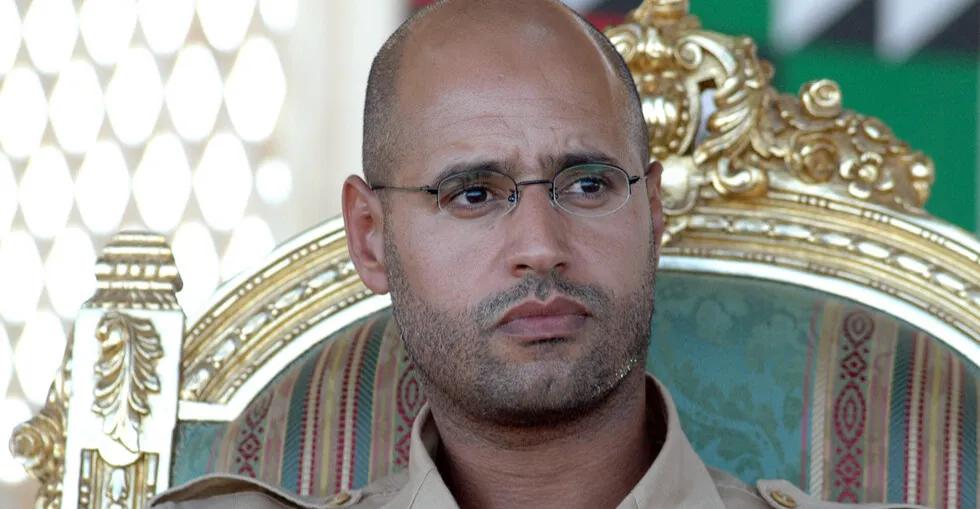
Saif al‑Islam Gaddafi was killed at his residence in Zintan, western Libya. Four masked gunmen stormed his home, reportedly disabled cameras and fatally shot him.
30 outlets told this the same way.
Assassination of Saif al-Islam Gaddafi
Four masked gunmen reportedly assassinated Saif al-Islam Gaddafi at his residence in Zintan, western Libya, in an attack that several outlets say involved surveillance cameras being disabled before the shooters entered. Multiple local and international reports say his political adviser and lawyer confirmed his death, while eyewitness and local media accounts described a small commando-style assault on his home. The exact responsibility and motive remain unconfirmed as Libyan authorities have not issued a full official account.
“Saif al-Islam Gaddafi was reported killed Tuesday evening in Zintan, western Libya, according to his lawyer Khaled al-Zaidi and an adviser; media say four unidentified assailants attacked his residence after disabling surveillance cameras.”
Attack reports and responses
Several reports describe the attackers as a four-man or four-masked-gunmen team who disabled surveillance systems before the assault. Other accounts say the assailants fled the scene. Local media and Saif's camp are cited as the primary sources of those tactical details.
Prosecutors or the attorney general have been reported to have opened investigations. At the same time, the 444 Combat Brigade has publicly denied involvement and said it had no presence in Zintan. Libyan state bodies have not released a conclusive, unified account.

Background and legal status
Saif al-Islam's past and legal status are central to interpreting the killing and are summarized consistently across outlets. He was once seen as his father's heir and was captured in 2011. He faced an ICC arrest warrant and United Nations sanctions, and was tried and sentenced in absentia by a Tripoli court in 2015.
“Western‑educated and LSE‑trained (PhD, 2008), he sought a political comeback — filing to run for president in 2021 to revive his late father’s supporters.”
He was later released and resurfaced politically around the postponed 2021 presidential bid. Reports also note his Western education. Different sources emphasize different aspects of that record depending on their focus.
Conflicting reports of death
Coverage contains notable contradictions and alternative accounts that leave key points unsettled. Some reports say he was executed by gunmen who disabled cameras; others say he died of a stroke during an attempted arrest; family accounts place his death near the Algerian border.
Investigations have reportedly been opened, but no single narrative is confirmed. Readers should treat early accounts as provisional and contested.
Libya political implications
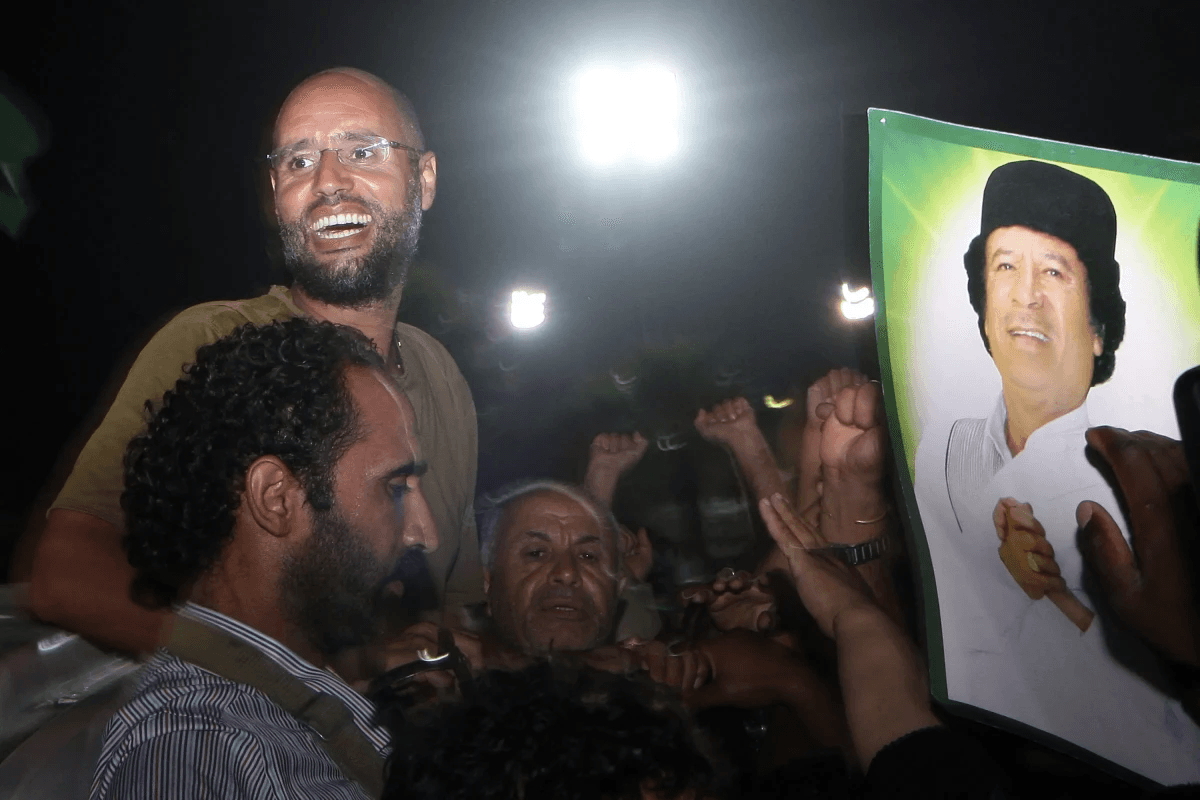
The broader implications are uncertain but widely discussed: analysts and some outlets warn the killing could further destabilise Libya's fractured political landscape, possibly elevate Saif as a martyr to parts of his former constituency, and complicate stalled efforts at national reconciliation and elections. Other outlets stress this is an episode in the long-running cycle of violence and factional denials that have characterised post-Gaddafi Libya. Given the unresolved and conflicting evidence in the immediate reporting, independent confirmation is required before drawing firm conclusions.
“If confirmed, his killing would remove a symbolic figure from Libya’s fractured political scene and could further destabilize the country and draw regional reactions amid ongoing factional violence and stalled efforts to hold national elections.”