Europe13 November, 20253 min read
France Commemorates 130 Victims of Islamic State Massacre in Paris 10 Years After Attacks
This article is an automated aggregation of coverage from news outlets. Our editorials offer in-depth analysis curated by the NewsCord team.
Islamic State gunmen and suicide bombers killed 130 people across Paris on November 13, 2015. President Emmanuel Macron and Paris mayor Anne Hidalgo led national commemorations at attack sites.

17 outlets told this the same way.
Outlets did split on Marco Rubio Urges Europe To Awaken From Slumber In Athens Speech →
November 2015 Paris Attacks
On November 13, 2015 coordinated shootings and bombings struck Paris — at the Stade de France, cafes and the Bataclan concert hall — killing well over a hundred people and wounding hundreds more. The attacks were later claimed by extremist groups and remain the deadliest terror violence in France's recent history. Sources give slightly different casualty totals but consistently report mass carnage at the Bataclan and other sites.
“France marked the 10th anniversary of the November 13, 2015 Paris attacks, in which Islamic State-linked jihadists killed 130 people in shootings and suicide bombings around the capital — about 90 of them at the Bataclan concert hall.”
Le Monde states the attacks killed 132 people and injured more than 400. ProtoThema records that the assaults killed 130 people at the time, including 90 at the Bataclan.
The Guardian says they paid tribute to the 130 people killed when Islamic State gunmen and suicide bombers struck cafes, restaurants and the Bataclan. These anchors frame the scale and nature of the horrors widely covered across outlets.
Paris November 13 memorials
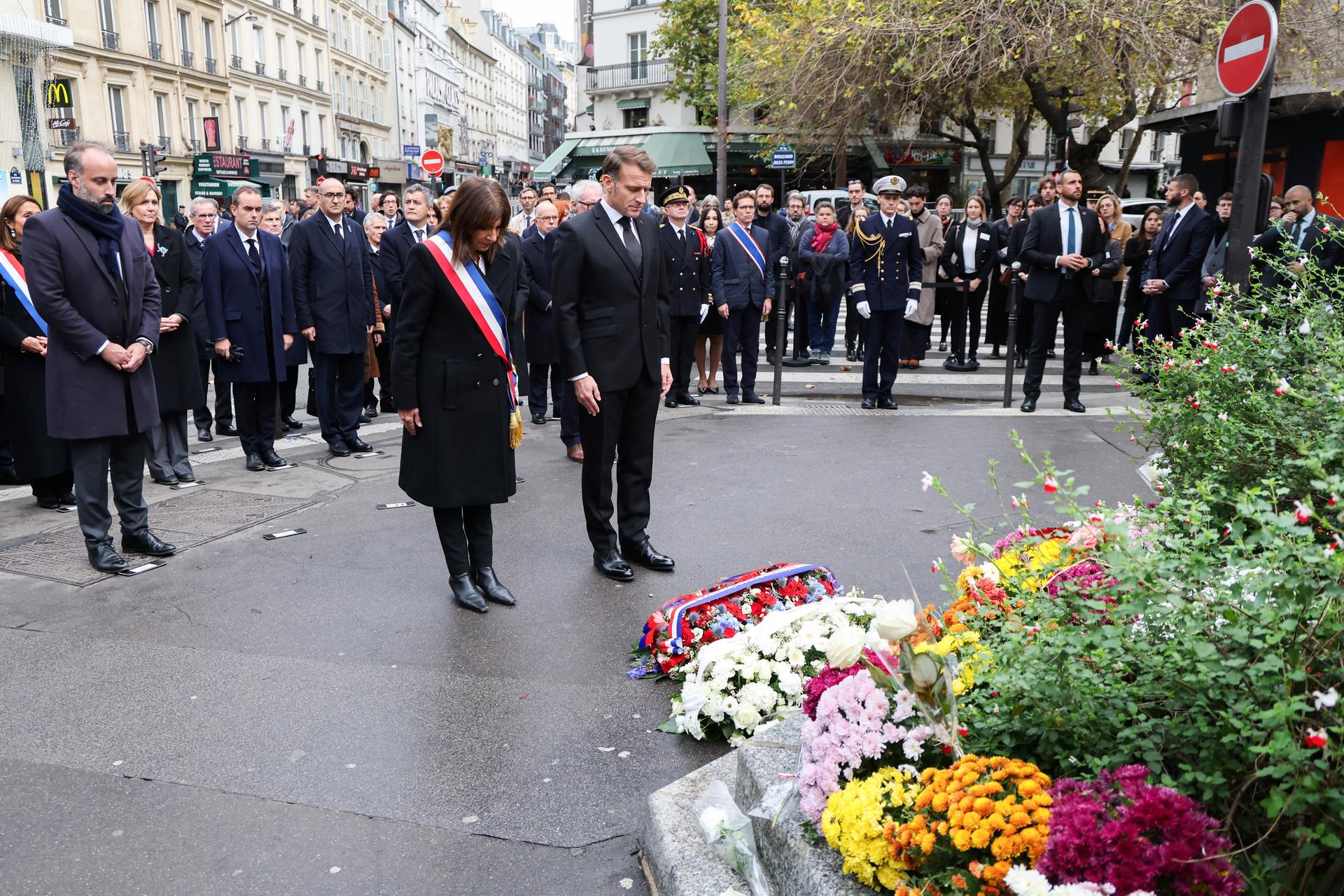
A decade on, Paris held low-key, site-by-site commemorations focused on victims and survivors rather than spectacle. Officials and families led ceremonies at the Stade de France, the cafés and the Bataclan with moments of silence and priority seating for relatives.
A new Jardin du 13‑Novembre (November 13 Memory Garden) opposite City Hall was inaugurated as the culminating memorial, with names inscribed on granite stelae and features requested by families. Outlets from the New York Post to The Local France and Malvern Gazette described the planned minutes of silence, candle-leavings at Place de la République and the garden’s design, while Al Jazeera and Digital Journal noted the garden’s inauguration as the centrepiece of the day.
Survivor mental health impacts
Survivors and relatives repeatedly tell the same story of long-term psychological harm: enduring PTSD, triggers, and life changes. Personal accounts cited across Cyprus Mail, RTE and The Mirror describe vivid traumatic memories and persistent symptoms. Christophe Lascoux says he still has PTSD and cannot be in crowds or enclosed spaces, and Arthur Denouveaux is quoted saying you never fully heal or that the wounds never fully heal.
“Many survivors still suffer severe trauma: Arthur Denouveaux, president of victims’ group Life for Paris, describes acute PTSD that required a year of medication and heightened sensitivity to triggers such as fireworks and loud noises.”
Other reports describe months or years of medication and therapy. Coverage consistently pairs these personal testimonies with research and medical commentary, with Le Monde and CNRS studies noting the importance of social support and evidence-based PTSD treatments for survivors' recovery.
Trial and accountability coverage
Legal accountability was a central theme of the anniversary coverage. The 2021–22 trial produced convictions for 19 people and sentenced Salah Abdeslam, the lone surviving member of the attackers' cell, to life imprisonment without parole.
Multiple outlets noted the lengthy trial and convictions, with Digital Journal calling Abdeslam 'the lone surviving member ... serving life in prison after a 148-day trial' and ProtoThema and the New York Post reporting the life sentence and group convictions. Other reports said investigations continue, including probes into Abdeslam's former partner.

Aftermath and long-term impacts
Commentary and historical perspective in the coverage stress enduring policy and social consequences. Tightened security measures were enacted and many became law. Public debate over civil liberties and Islam intensified.
“Still, the legacy includes tighter limits on public freedoms, intensified political conflict over Islam and a climate that has at times aided far‑right anti‑Muslim violence; the tenth anniversary is framed both as tribute to victims and a reminder to protect social cohesion and shared memory.”
Some outlets warn the attacks also fed far-right anti-Muslim politics even as Paris sought to recover. Le Monde and The Guardian highlight legal and security legacies. Al Jazeera and Le Monde note exploitation of the attacks by far-right parties.
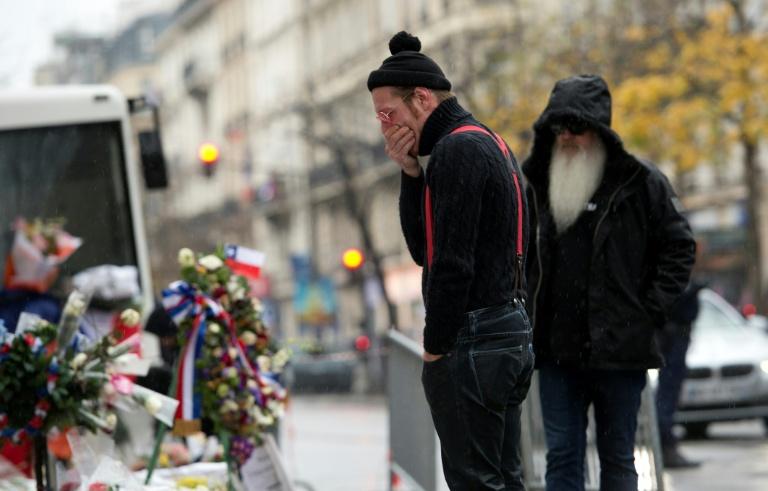
Cyprus Mail and other pieces quote security sources saying IS no longer has the same capacity for large-scale strikes on French soil though its online propaganda remains a threat. Several outlets also point to longer-term memorial projects, including a planned national terrorism museum.