Europe25 January, 20262 min read
France Detains Indian Captain Of 'Grinch' Tanker Accused Of Evading EU Sanctions For Russia
French navy intercepted tanker Grinch in the Mediterranean, suspected of belonging to Russia's 'shadow fleet'. French authorities detained the Grinch's Indian captain on suspicion of operating under a false flag.
18 outlets told this the same way.
Outlets did split on Marco Rubio Urges Europe To Awaken From Slumber In Athens Speech →
Interception of oil tanker
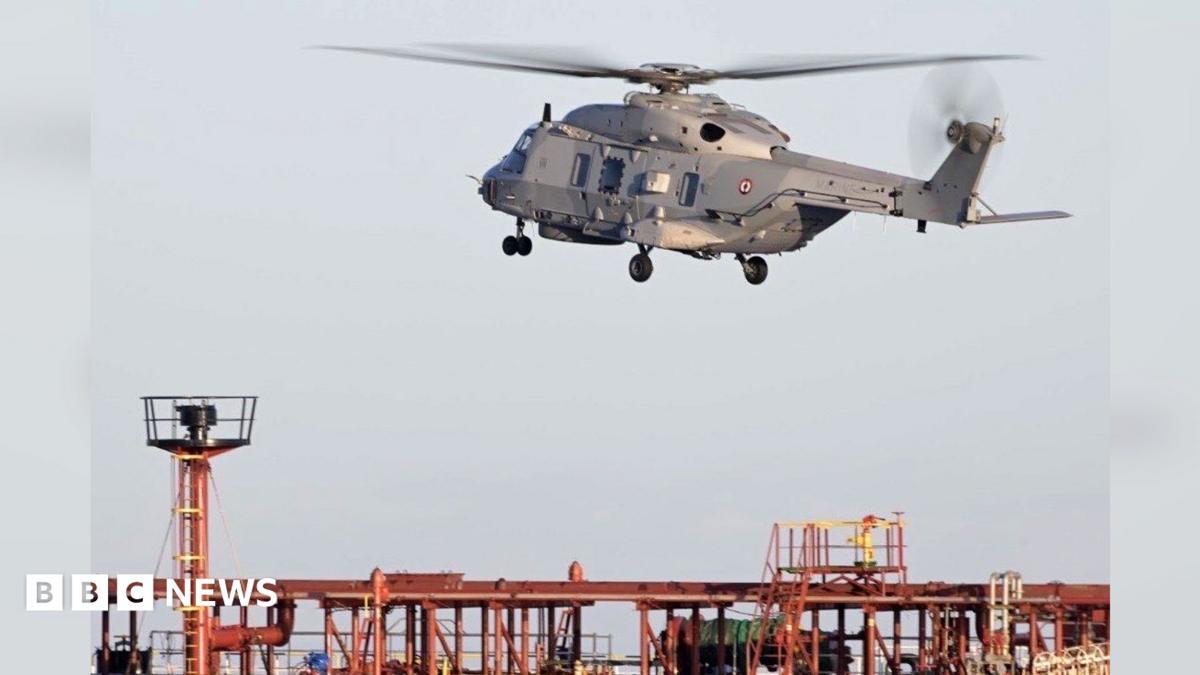
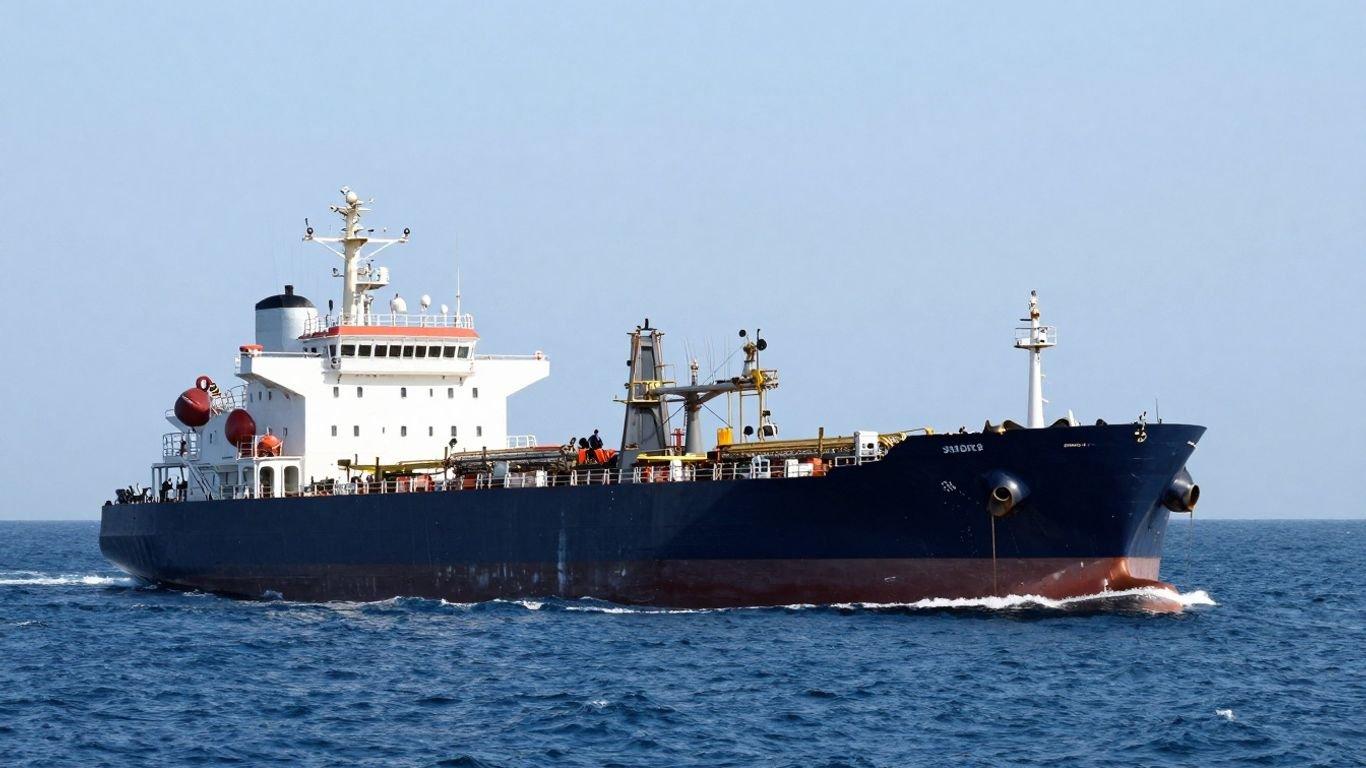
On 22 January 2026 French authorities intercepted and boarded an oil tanker identified as the Grinch in international waters of the Mediterranean, detained its 58-year-old Indian captain and escorted the vessel to an anchorage off Marseille (Gulf of Fos) while investigators check its papers. President Emmanuel Macron announced the operation, saying it was carried out on the high seas with allied support and in line with the United Nations Convention on the Law of the Sea; French and UK officials said London provided tracking assistance. The seized ship has been linked by officials and some sanction lists to Russia's so-called "shadow fleet."
“French President Emmanuel Macron said on X on 22 January 2026 that a vessel was intercepted on the high seas with allied support and in accordance with the United Nations Convention on the Law of the Sea. French maritime authorities identified the ship as the Grinch and officials told the AP it was stopped off Almería after intelligence from the UK.”
Investigation of ship Grinch
French prosecutors and maritime investigators have focused the probe on whether the Grinch was operating under a false or invalid flag and whether its navigation documents are genuine. They have not immediately alleged a specific sanctions breach. Authorities say the ship sailed from Murmansk in early January.
It was reportedly registered to Comoros in some records. The remainder of the Indian crew have been kept on board while checks continue, and the captain has been detained as part of a preliminary investigation.
Shadow fleet clampdown
Analysts and many outlets place the Grinch interception in a broader clampdown on a "shadow fleet" — a network of older tankers that maritime authorities say use tactics such as rapid ownership changes, flag-hopping and renaming to disguise origin and evade sanctions. Reports cite recent comparable operations, including France's September seizure of the Boracay and U.S. forces seizing the Mariner near Iceland, and external studies documenting extensive false-flagging activity in 2025. Commentators and some officials frame such interdictions as part of a shift from paper-based sanctions to active policing at sea.
“The case highlights legal and practical tensions under UNCLOS (which requires a single, effective flag state), overlapping regimes of sanctions compliance and criminal jurisdiction, and the vulnerability of seafarers who work within opaque ‘shadow fleet’ structures.”
Media coverage differences
Coverage differs in detail and tone across source types. Western mainstream outlets (Le Monde, BBC, ITVX, EU Today) foreground state action, allied cooperation and law‑enforcement framing, quoting Macron and defence officials and noting links to previous seizures. West Asian reporting (Al Jazeera) amplifies international data and a geopolitical framing of a vast shadow fleet that sustains discounted Russian exports, and it cites external research.
Asian regional outlets (South China Morning Post, The Hindu, Straits Times) give more attention to the detained captain’s nationality, the crew’s situation and port or local anchoring details. Some outlets (Business Upturn) emphasise legal questions under UNCLOS and focus on documentation procedures. Tabloids (Metro) mix the story with unrelated items, illustrating variation in editorial priorities.
Ambiguous tanker incident reporting
Reporting contains several factual ambiguities, with sources differing on whether the action is primarily a sanctions enforcement or a technical false‑flag/documentation probe. The vessel is listed under different names or registrations across sanction lists, with the UK naming it 'Grinch' while EU and US lists show 'Karl' or 'Carl'. Moscow had not commented on many of the reports.
“The 249‑metre vessel appears as Grinch on the UK list of sanctioned Russian ships but is listed as Karl on EU and US sanction lists.”
France previously seized or detained other tankers, such as the Boracay, and faced denunciation from Russia over those actions. Observers note the legal and jurisdictional tensions such operations raise under UNCLOS and overlapping sanctions regimes.
