Syria04 November, 20253 min read
France Puts Lafarge on Trial for Financing ISIS Terror Group in Syria
Lafarge and eight former executives face trial in Paris for financing ISIS and jihadist groups. Lafarge allegedly paid over €5 million in protection money to armed groups to keep Syrian plant operational.
14 outlets told this the same way.
Outlets did split on France Suspends Police Stun Grenades at High School Protests After 15-Year-Old Loses Hand →
Trial on Terrorism Financing
France has opened a landmark trial against French cement giant Lafarge and several former executives. The company is alleged to have financed terrorist groups in Syria—including ISIS and Al-Qaeda’s Jabhat al-Nusra—by paying millions in protection money. These payments were made to keep its Jalabiya cement plant operating during 2013–2014.
“French cement giant Lafarge and several former senior executives are set to stand trial in Paris for allegedly financing jihadist groups, including ISIS, to keep a Syrian cement plant operational during the civil war.”
The Paris Criminal Court began hearings on November 4 in what multiple outlets describe as the first terrorism-financing case against a private French company. Charges include financing terrorism and, according to some coverage, complicity in crimes against humanity and endangering lives. The proceedings have drawn intense scrutiny given their links to a similar U.S. investigation and the potential implications for corporate accountability in conflict zones.

Legal Proceedings Against Lafarge
The case has a complex legal history. Anadolu Ajansı details a yearslong procedural path in which initial charges of complicity in crimes against humanity were dropped in 2019 and later reinstated. In October 2024, judges ruled that Lafarge and four former executives would stand trial for financing a terrorist group and violating a European Union embargo.
JusticeInfo.net highlights a January 2024 ruling by France’s Court of Cassation confirming Lafarge’s criminal liability as a parent company for financing terrorism and violating international sanctions. The court overturned charges related to endangering employees’ lives. RFI traces the case’s origin to 2016 media investigations and complaints by the French economy ministry and NGOs, which led to a 2017 judicial inquiry.

Usmuslims emphasizes nearly nine years of NGO-driven proceedings. Devdiscourse notes that the trial is scheduled to run until December 16.
Payments to Armed Groups in Syria
At the heart of the allegations are payments to armed groups to keep Lafarge’s Syrian operations alive. Devdiscourse reports approximately €6 million in total, including €3 million for safe passage at checkpoints and €1.9 million for materials from IS-controlled quarries. JusticeInfo.net cites around €5 million paid to armed factions in 2013–2014 and adds that the plant briefly reopened in 2014 under an agreement with ISIS before employees fled without an official evacuation.
“It centers on allegations that Lafarge paid approximately €6 million—including €3 million for safe passage at checkpoints and €1.9 million for materials from IS-controlled quarries—to keep its Jalabiya plant in Syria operational during the uprising.”
RFI says the money moved through intermediaries to secure raw materials and worker passage. BLiTZ and Anadolu Ajansı note payments to ISIS and al-Nusrah and alleged violations of sanctions and embargoes.
Lafarge Legal Issues and Ethics
The French trial is unfolding alongside a significant U.S. dimension. AL-Monitor notes that in the United States, Lafarge pleaded guilty to conspiring to support terrorist organizations and agreed to a $778 million fine—the first corporate conviction of its kind—amid accusations of a “revenue sharing agreement” with ISIS to eliminate competitors. It also reports a civil lawsuit by Yazidi Americans and Nobel laureate Nadia Murad alleging complicity in ISIS attacks.
The National similarly recalls the 2022 U.S. penalty and ties the French case to debates about corporate responsibility and intelligence links in war zones. France 24 explicitly connects the French proceedings to the earlier U.S. probe.
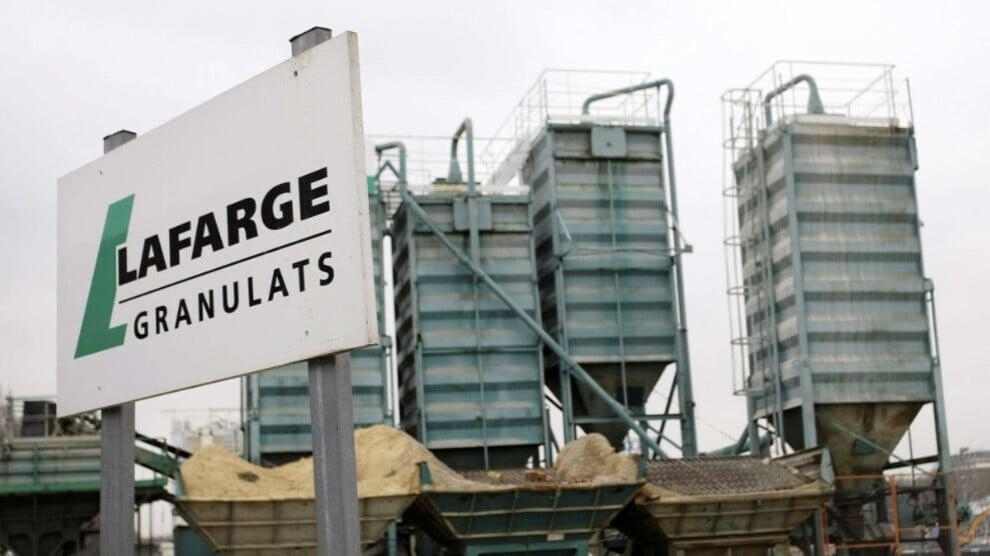
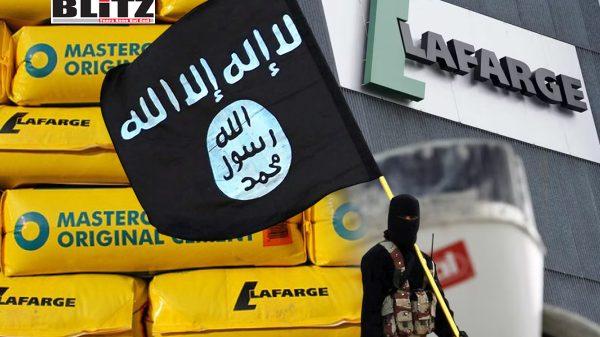
BLiTZ underscores the broader corporate ethics implications. Usmuslims reports allegations that Lafarge informed French intelligence and that ISIS used Lafarge’s cement to build tunnels.
Legal Proceedings and Corporate Accountability
Who faces justice and what is at stake are also contested in coverage. usmuslims reports that the legal entity Lafarge will be tried alongside eight individuals—four former French executives, two Syrian intermediaries, and two security officials. The individuals face up to 10 years in prison, and the company risks substantial fines.
“Lafarge, the French multinational cement company, is set to stand trial as a legal entity alongside eight individuals, including four former French executives, two Syrian intermediaries, and two security officials... The individuals face up to 10 years in prison and fines, while Lafarge risks substantial financial penalties.”
Anadolu Ajansı and RFI likewise say former top executives will stand trial. Devdiscourse notes the potential for fines and prison sentences.
JusticeInfo.net underlines the precedent of parent-company liability and the impact on roughly 200 former Syrian employees seeking compensation. RFI recalls Holcim’s post-merger distancing and internal code-of-conduct breaches, placing corporate governance and human costs alongside criminal exposure.