Europe12 November, 20253 min read
France's National Assembly Votes to Suspend Controversial Pension Reform
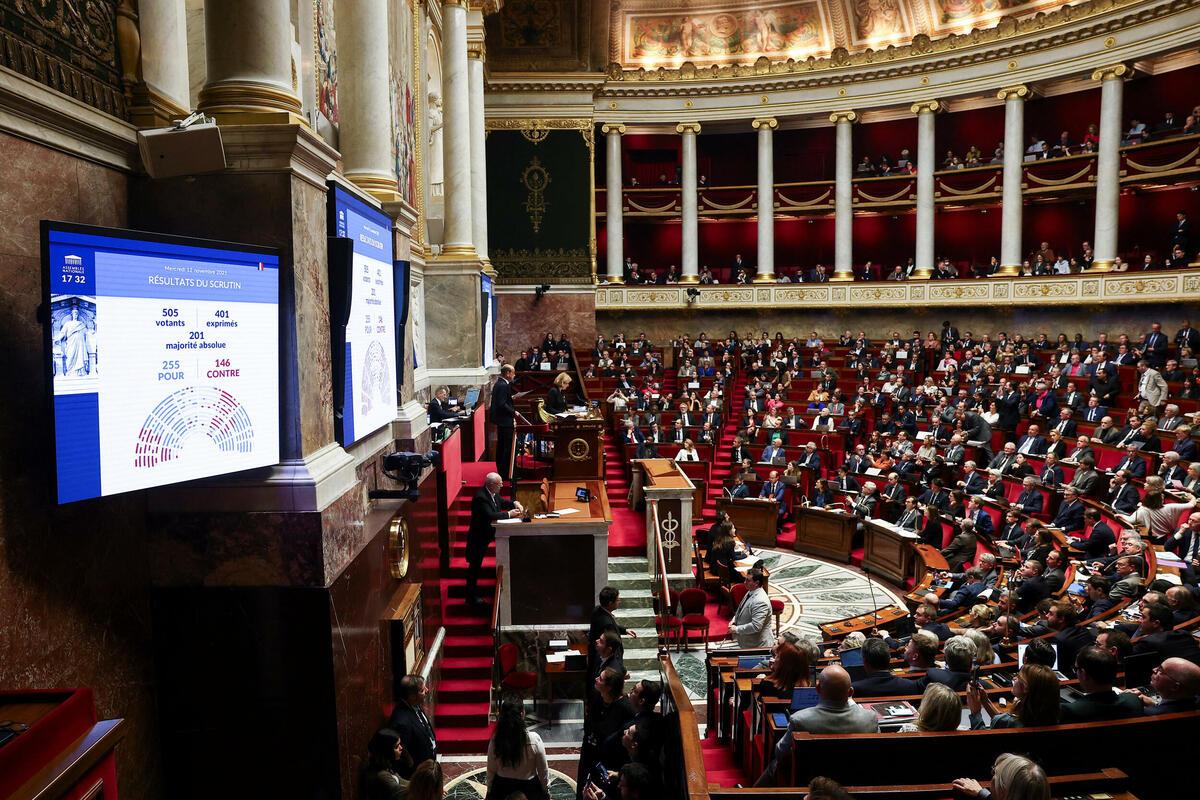
National Assembly voted 255–146 to suspend raising the retirement age from 62 to 64 Suspension delays the reform until January 1, 2028, placing it beyond the 2027 election
12 outlets told this the same way.
Outlets did split on Marco Rubio Urges Europe To Awaken From Slumber In Athens Speech →
French pension reform pause
France’s National Assembly voted 255–146 to suspend large parts of the contentious 2023 pension reform. The move pauses the planned rise in the statutory retirement age and related contribution increases. The vote highlights a period of political instability in Paris.
“On Nov. 12, 2025, deputies in France’s National Assembly overwhelmingly voted to suspend a disputed pension reform. The move comes as next year’s budget bills slowly move through parliament amid ongoing threats to the government’s survival, underscoring political instability over the controversial overhaul.”
Several outlets reported the same core vote tally and consequence but described the pause differently. Politico noted the suspension halts the reform that raised the retirement age from 62 to 64 for most workers until the 2027 presidential election. Euronews and Vijesti.me described the concession as keeping the retirement age effectively at 62 years and nine months.

France 24 framed the vote as part of ongoing threats to the government’s survival. DIE WELT and Euractiv also reported the suspension but placed its end point in January 2028, reflecting slight variations in how the pause is dated across outlets.
Suspension vote overview
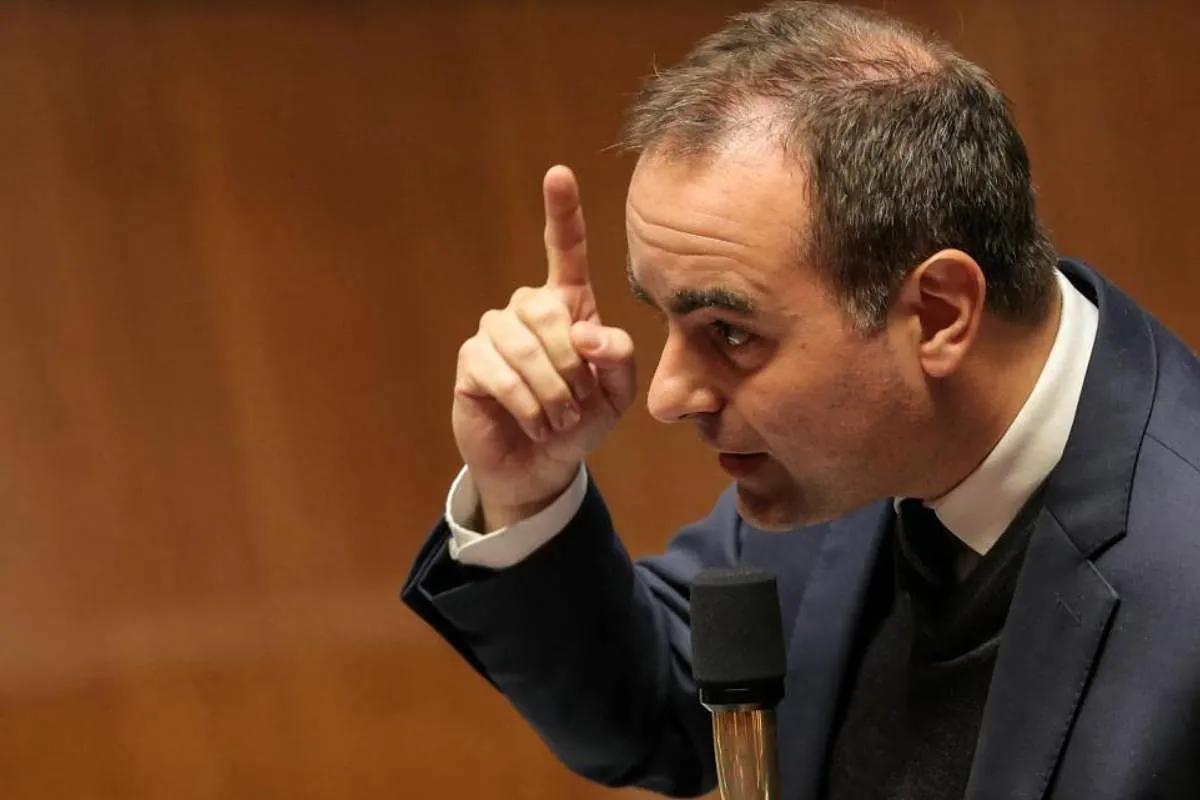
The roll-call and cross‑spectrum backing made the suspension notable. Prime Minister Sébastien Lecornu engineered the insertion into the Social Security budget as a tactical concession to the Socialist Party to avoid a censure motion and keep the government afloat. The move produced an unusual coalition of Socialist, Green and far‑right Rassemblement National votes, while far‑left La France Insoumise and certain right‑wing parties opposed it and many centrists abstained.
Politico and Spotmedia.ro list the same mix of supporters and opponents. Euronews emphasizes the concession to the Socialists to avoid toppling the government. Vijesti.me provides cohort details showing the policy’s direct impact on people born in 1964.

Fiscal and market reactions
Fiscal consequences and market reactions are prominent across outlets. Politico and Euractiv cite the government’s estimate that the freeze will cost about €300 million in 2026 and €1.9 billion in 2027. Politico notes criticism that the pause undermines efforts to tackle France’s large debt and says it has drawn concern from the European Commission and ratings agencies.
“The government says the freeze will cost about €300 million in 2026 and €1.9 billion in 2027, prompting criticism that it undermines efforts to tackle France’s large debt and meet a pledged deficit cap, and drawing concern from the European Commission and ratings agencies (S&P and Fitch have downgraded France to single‑A; Moody’s cut its outlook to negative).”
Euronews places those costs in a broader warning that France’s public deficit reached 5.8% of GDP in 2024 and that the concessions may impede plans to reduce the deficit by €30 billion. Together, these reports show that economic anxiety about the suspension is a cross-cutting theme.
Procedural delays to suspension
Practical legislative and procedural questions remain. Euractiv and Politico highlight a backlog of amendments and constitutional deadlines that make immediate implementation uncertain. Euractiv notes MPs needed to approve the amended Social Security Financing Bill by midnight for the suspension to take immediate effect, but hundreds of outstanding amendments make that constitutional deadline unlikely.
Politico says the Assembly must approve the social security budget before it goes to the Senate and points to some 2,400 outstanding amendments. Agencies such as Anadolu and DIE WELT present the suspension as running into 2028. This procedural complexity suggests the pause may face further delays before becoming law.
Media framing of vote
Several outlets (France 24, Euronews) portray the vote as symptomatic of political instability after Macron's snap election, a hung parliament, and rapid turnover in prime ministers. Politico highlights additional policy debates alongside the budget, including a nonbinding resolution on a 1968 agreement with Algeria and competition to host an EU customs authority.
“The move comes as next year’s budget bills slowly move through parliament amid ongoing threats to the government’s survival, underscoring political instability over the controversial overhaul.”
Other outlets (Vijesti.me, DIE WELT) emphasize the vote's immediate social impact on retirees. Overall reporting agrees on the vote's significance but varies in tone from procedural and fiscal alarm to human-impact framing.