
Francine Pose Warns America’s 250th July 4 Party Reflects A Less Democratic Shift
Key Takeaways
- 250th Fourth celebrated with reckoning over Indigenous dispossession, slavery, and ongoing inequalities.
- Despite flaws, there is persistent hope in American democracy and its resilience.
- Public discourse emphasizes complexity and ongoing effort to live up to founding ideals.
250th Birthday, Hope and Doubt
The Guardian’s Francine Pose frames America’s 250th anniversary on the Fourth of July as a chance to honor “the unusual longevity of our democratic experiment,” while warning that the party on 4 July 2026 may reflect a democracy “rapidly and intentionally made less democratic.”
“The last time America celebrated a big anniversary, I was all of three years old”
Pose says “Freedom of the press has given way to censorship,” and adds that “Our freedom of speech has been diminished” through political protesters being silenced, assaulted, arrested, and in some cases deported.
She contrasts earlier celebrations—when president Gerald Ford sponsored civil rights legislation and Roe v Wade was three years old—with what she describes as a shift toward military emphasis, including “Soldiers marching in lockstep beneath screaming fighter planes.”
Pose also points to the White House south lawn, writing that “Weirdest of all was the UFC cage fight on the White House south lawn,” and she links her concern to “echoes of the speech that preceded the January 6 insurrection.”
Readers Define Freedom Differently
Patch’s reader survey describes America’s 250th anniversary as a test of whether the country will extend its founding promise, with answers repeatedly returning to freedom “to speak, worship, vote, learn, protest, raise families and build a life.”
Wendy, a Connecticut resident, says, “I’m here because of immigrant ancestors, 17 of whom arrived here on the Mayflower,” and she urges reflection on the promise of “We the People” while remembering “our imperfect past.”
Brian MacColl, a Pelham (New York) Patch reader, says, “Being an American means belonging to a country built on a promise that has never been simple, complete, or automatic,” and he describes citizenship as both a right and a duty to improve shared systems.
Ezella Wheeler, a 72-year-old Gaithersburg (Maryland) Patch reader, ties her hopes to “the creation of a truly just, equitable, and inclusive nation,” and she says Black Americans “insisted the promise of the Declaration of Independence belonged to us too.”
Judges and Veterans See Signs
Milwaukee Magazine’s Kristy Yang, a Milwaukee County Circuit Judge, argues that “American democracy still resembles hope,” describing democracy as aspiring and leaning forward across the nation.
“Freedom Is Still The Heart Of America's Story For Many, But It’s Complicated With a mix of pride, concern, and hope, readers described America as a land of liberty and opportunity with promises not yet fully realized”
Yang writes that the torch held by the Statue of Liberty and “the risky and bold idea launched into business reality” are symbols of that hope, and she adds that it “endures in the courage to exercise one’s freedom of speech even when there may be costs associated with it.”
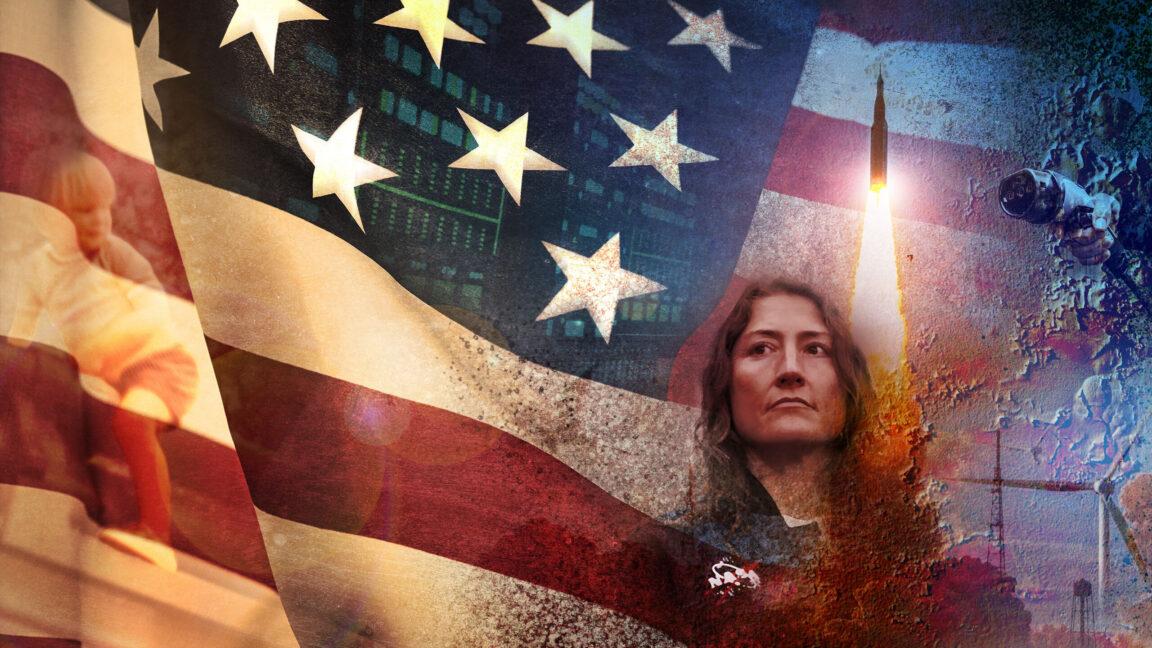
Ars Technica’s author looks back to July 4th, 1976, America’s bicentennial, recalling small-town Michigan memories like climbing on a cannon in front of the courthouse and watching a parade.
The Ars Technica piece says the country had done “some big, difficult things,” including leading “the charge to roll back the tide of fascism and Holocaust during World War II,” and it credits nonviolent civil rights activism for confronting “internal demons.”
More on USA
Cato Institute Poll Finds 46% of Americans Don’t Know America’s 250th Anniversary Commemorates
10 sources compared

Extreme Heat Closes Great American State Fair on National Mall for U.S. 250th Anniversary
15 sources compared

Zohran Mamdani Delivers Pro-Immigrant Rebuke Of Trump Administration In America 250 Speech
10 sources compared

Elbridge Colby Email Outlines U.S. Sanctions, Including Suspending Spain From NATO Over Iran War Support
14 sources compared