Europe12 November, 20252 min read
French National Assembly Suspends Macron's Pension Reform Until After 2027 Presidential Election
This article is an automated aggregation of coverage from news outlets. Our editorials offer in-depth analysis curated by the NewsCord team.
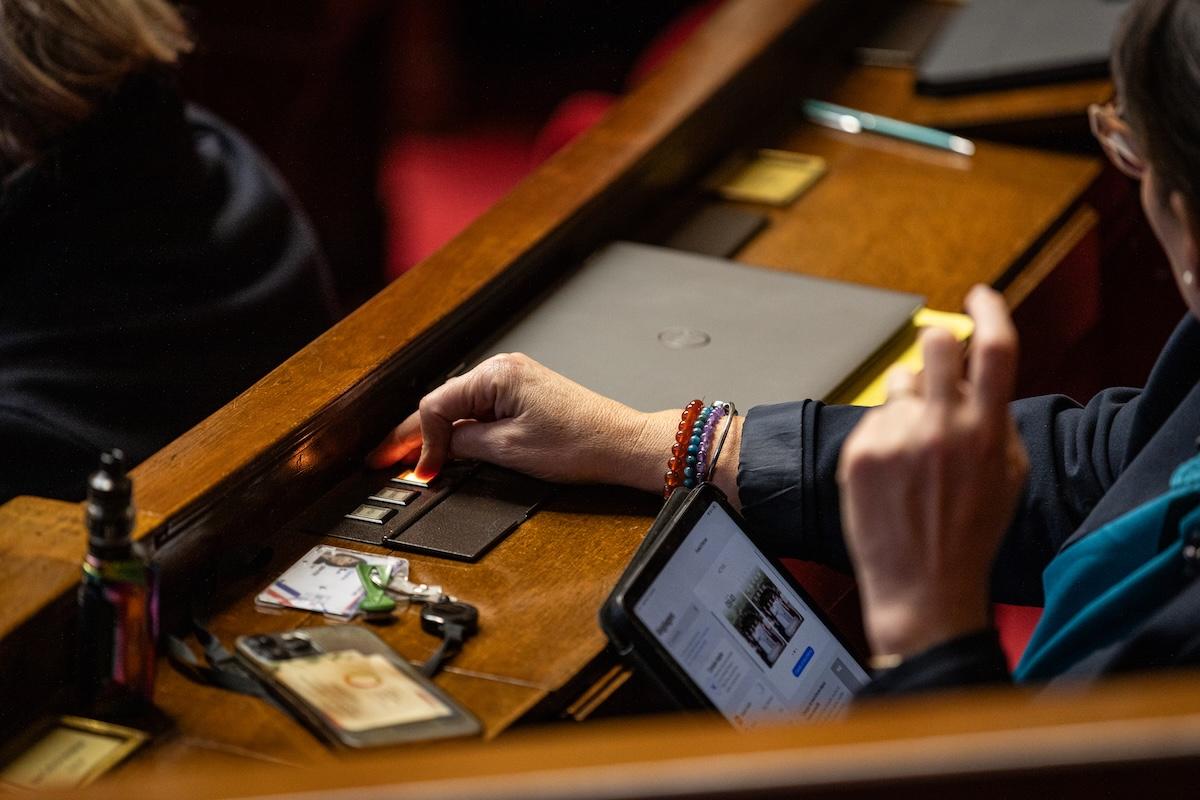
National Assembly voted 255-146 to suspend the 2023 pension reform until Jan. 1, 2028. The 2023 reform raised the legal retirement age from 62 to 64.
7 outlets told this the same way.
Outlets did split on Azerbaijan Bars Hijab in Schools, Sparking Protests in Baku and Arrests →
French pension reform delay
France's National Assembly voted 255–146 to suspend the 2023 pension reform that would have raised the statutory retirement age from 62 to 64, delaying implementation until Jan. 1, 2028 and effectively pushing the change past the 2027 presidential election.
“The French National Assembly on Wednesday approved an article in the Social Security budget bill to suspend the 2023 pension reform until Jan. 1, 2028. By a vote of 255–146, with 104 abstentions, lawmakers voted to delay the planned increase of the legal retirement age from 62 to 64 until after the next presidential election.”
The vote was part of the Social Security Financing Bill and was presented by Prime Minister Sébastien Lecornu as a concession to the Socialist Party intended to avert a no-confidence motion and keep the government in office.

The measure affects specific cohorts, with Euractiv reporting the freeze means people born in 1964 will be able to retire at 62 years and 9 months—the same as the 1963 cohort—rather than at 63.
Analysts estimate about 650,000 people will be affected in 2026 and a similar number in 2027.
Parliamentary suspension vote
The parliamentary arithmetic behind the suspension was unusual: the vote united Socialists, most Greens and the far-right National Rally in favour. Most pro-Macron MPs and MoDem abstained, while La France Insoumise (LFI) opposed the move, calling it a postponement rather than a true suspension.
Sources uniformly report Lecornu offered the pause as a compromise to preserve the government, but they diverge on how definitive the measure is. France 24 and Lapresse portray it as a tactical concession to avoid government collapse, while Euractiv records LFI's critique that the step is merely a postponement.

French budget pause impacts
Analysts and reports highlighted fiscal and credibility concerns. Spotmedia.ro notes the pause threatens France's fiscal targets and could hinder deficit reduction goals, quoting government estimates that it will cost about €300 million in 2026 and €1.9 billion in 2027. Spotmedia.ro also warned of ratings pressure after downgrades from S&P and Fitch and a negative outlook from Moody's.
“The government says the pause will cost about €300 million in 2026 and €1.9 billion in 2027. Lecornu has also pledged to cut the budget deficit to no more than 5% of GDP next year.”
France 24 reports the concessions that helped pass parts of the budget threaten the government's goal of cutting the deficit by €30 billion. France 24 adds that no revised deficit estimate has yet been published. Euractiv frames the move politically as reopening debate on pensions ahead of the 2027 election.
Social security bill status
The Assembly's text will go to the Senate, and the full social security bill still needs final approval before the suspension takes effect, creating legal and practical uncertainty. Spotmedia.ro explains how the Senate stage and potential amendments factor into next steps.
France 24 notes the vote covered a specific article and that the broader bill must be finalised for the suspension to become operational. Sources differ on emphasis: Euractiv details the cohorts affected and frames the pause as politically meaningful ahead of 2027, while other outlets stress short-term market stability or the government's need to find offsetting measures.