Europe06 October, 20252 min read
French Prime Minister Lecornu Resigns After 27 Days, Deepening Macron’s Political Crisis
This article is an automated aggregation of coverage from news outlets. Our editorials offer in-depth analysis curated by the NewsCord team.
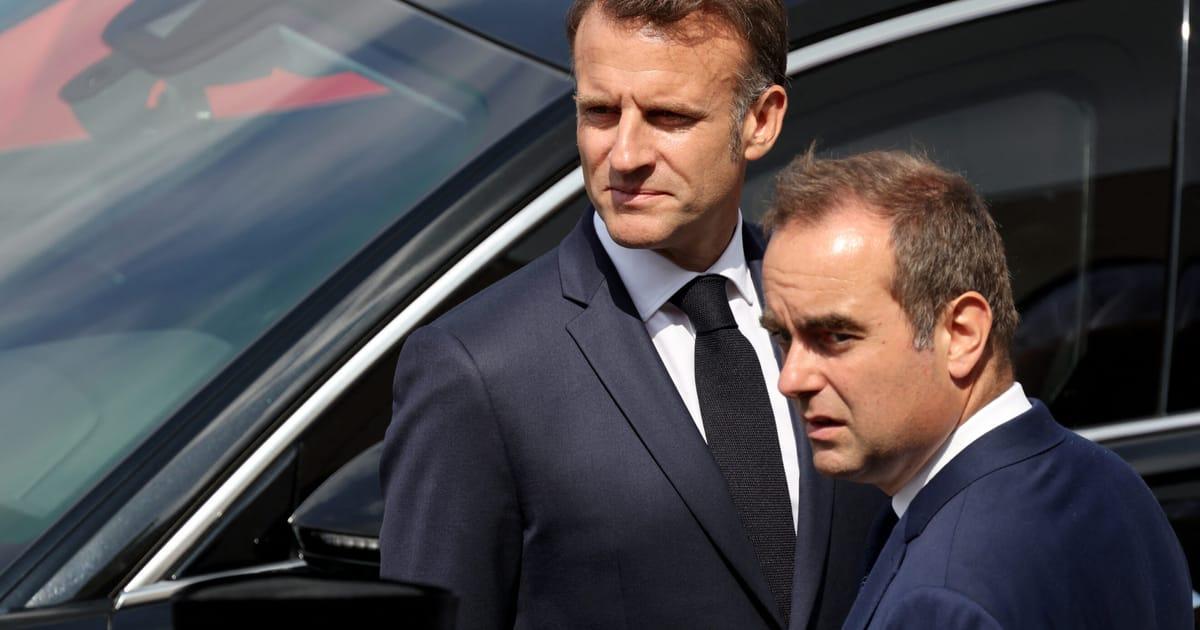
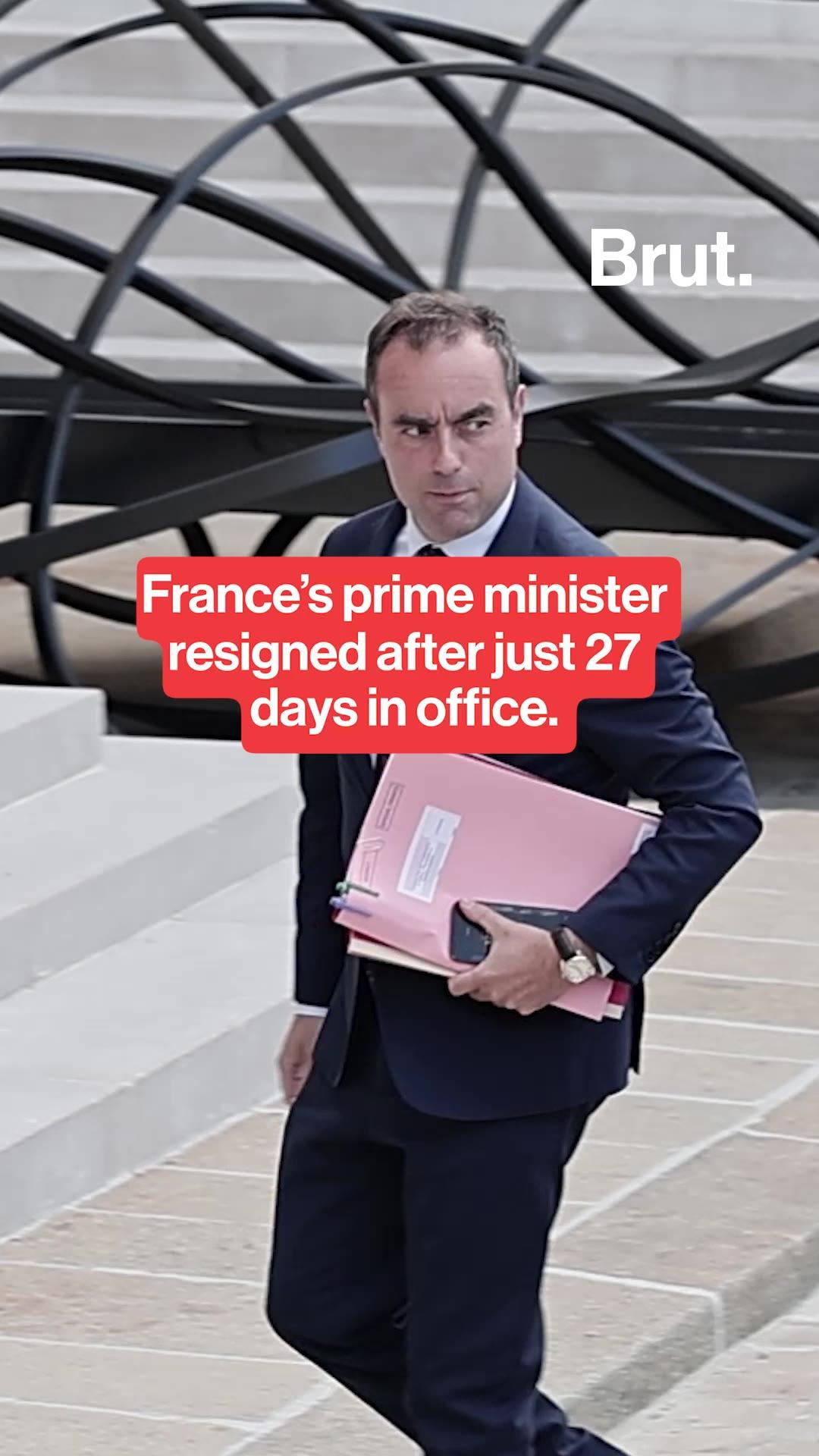
Sébastien Lecornu resigned as French Prime Minister after only 27 days in office. Lecornu resigned hours after unveiling a largely unchanged cabinet amid widespread criticism.
92 outlets told this the same way.
Outlets did split on Marco Rubio Urges Europe To Awaken From Slumber In Athens Speech →
French Government Collapse
France’s latest government collapsed when Prime Minister Sébastien Lecornu resigned less than a month after taking office. His resignation came just hours after unveiling his cabinet, making him the shortest-serving prime minister in modern French history. President Emmanuel Macron accepted the resignation but asked Lecornu to stay briefly to negotiate an agreement with opposition parties under a tight deadline.
“French Prime Minister Sebastien Lecornu resigned just 27 days after forming a new government, marking the shortest tenure in modern French history.”
This decision was made as markets and the euro showed signs of instability. Coverage varies on the timing and framing of the event: some emphasize that the cabinet existed for less than half a day.

Others stress the extraordinary brevity of Lecornu’s overall tenure. Several outlets also note Macron’s choice to keep Lecornu in a caretaker-negotiator role for two days to seek a compromise platform.
Cabinet Disputes and Party Tensions
Multiple sources point to cabinet disputes with conservatives as the immediate trigger. Reports say the Republicans (LR) balked at a largely unchanged lineup and especially the plan to move longtime economy minister Bruno Le Maire to defense. LR leader and interior minister Bruno Retailleau threatened to withdraw and demanded greater influence.
Lecornu resigned before a Republican crisis meeting. Local outlets also say LR felt shortchanged on posts. Others note Le Maire later gave up the planned defense move to revive talks.

French Fiscal Crisis and Resignation
The resignation unfolded amid severe fiscal stress and market jitters. France’s public debt is cited at about €3.346 trillion, roughly 114% of GDP, with debt service near 7% of state spending. The 2024 deficit is pegged at 5.8% and debt over 113% of GDP, figures that have alarmed investors.
“France’s public debt at approximately €3.346 trillion (114% of GDP) and debt servicing consuming about 7% of state spending.”
The CAC-40 fell nearly 2% as the crisis deepened, and several outlets note pressure on the euro. Lecornu had pledged not to use Article 49.3 to force a budget, seeking cross-party buy-in instead, a stance that narrowed his options in a hung parliament.
Political Reactions to Macron Crisis
Opposition forces on both the left and right demanded snap elections or even Macron’s resignation. The Élysée signaled no intention to resign and instead asked Lecornu to attempt a last round of talks before deciding on next steps. Some outlets say Macron could ultimately dissolve Parliament, while others report he has ruled that out.
Several sources also mention former Prime Minister Édouard Philippe urging an early presidential election. Meanwhile, the far-right National Rally refused talks and renewed calls to dissolve the Assembly.

France's Political Instability
The episode highlights the broader instability in France. Different outlets disagree on the number of prime ministers under Macron, with counts ranging from the fifth since 2022 to about to appoint the eighth. There is also disagreement on whether Lecornu was removed by a no-confidence vote.
“Unlike his predecessors, who were ousted through no-confidence votes, this prime minister stepped down before facing such a vote.”
Reports focused on protests emphasize nationwide strike actions and "Block Everything" tactics. Some mainstream and market coverage draws attention to investors' anxiety and the fragility of institutions. The growing influence of the far-right, including calls to dissolve Parliament and claims to be the largest party, affects the risk assessment if new elections are held.