Europe16 October, 20252 min read
French Prime Minister Sebastien Lecornu Survives Two No-Confidence Votes Amid Political Crisis
Sebastien Lecornu survived two no-confidence votes in the French National Assembly. Lecornu secured Socialist Party support by pledging to suspend Macron’s pension reform.
65 outlets told this the same way.
Outlets did split on Marco Rubio Urges Europe To Awaken From Slumber In Athens Speech →
French Government No-Confidence Votes
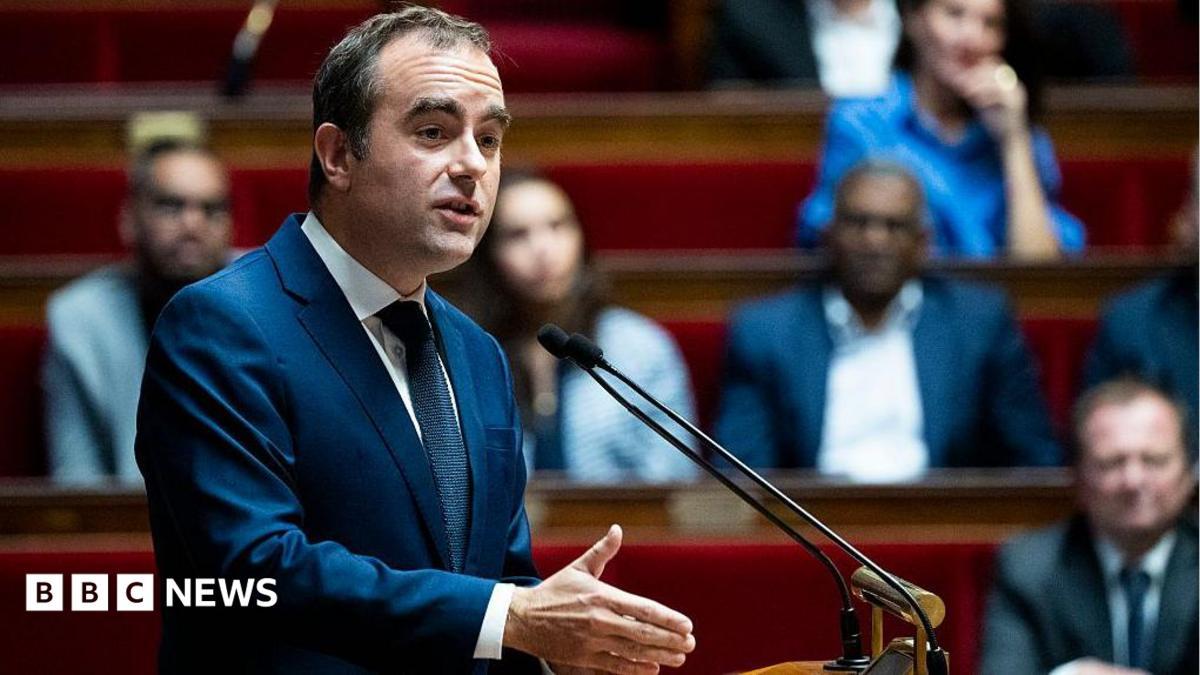
French Prime Minister Sébastien Lecornu survived two no-confidence votes in the National Assembly. The first motion fell 18 votes short of passing, while a second motion received far fewer supporters. This outcome averted an immediate government collapse but highlighted France’s ongoing political crisis and the fragility of its minority government.
“The LFI-backed motion received 271 votes... while the RN-UDR motion garnered only 144 votes.”
The motion initiated by the left received 271 votes against the government. A far-right motion drew only 144 votes, according to reports detailing the roll calls. Several analyses describe the government's survival as narrow and politically destabilizing.
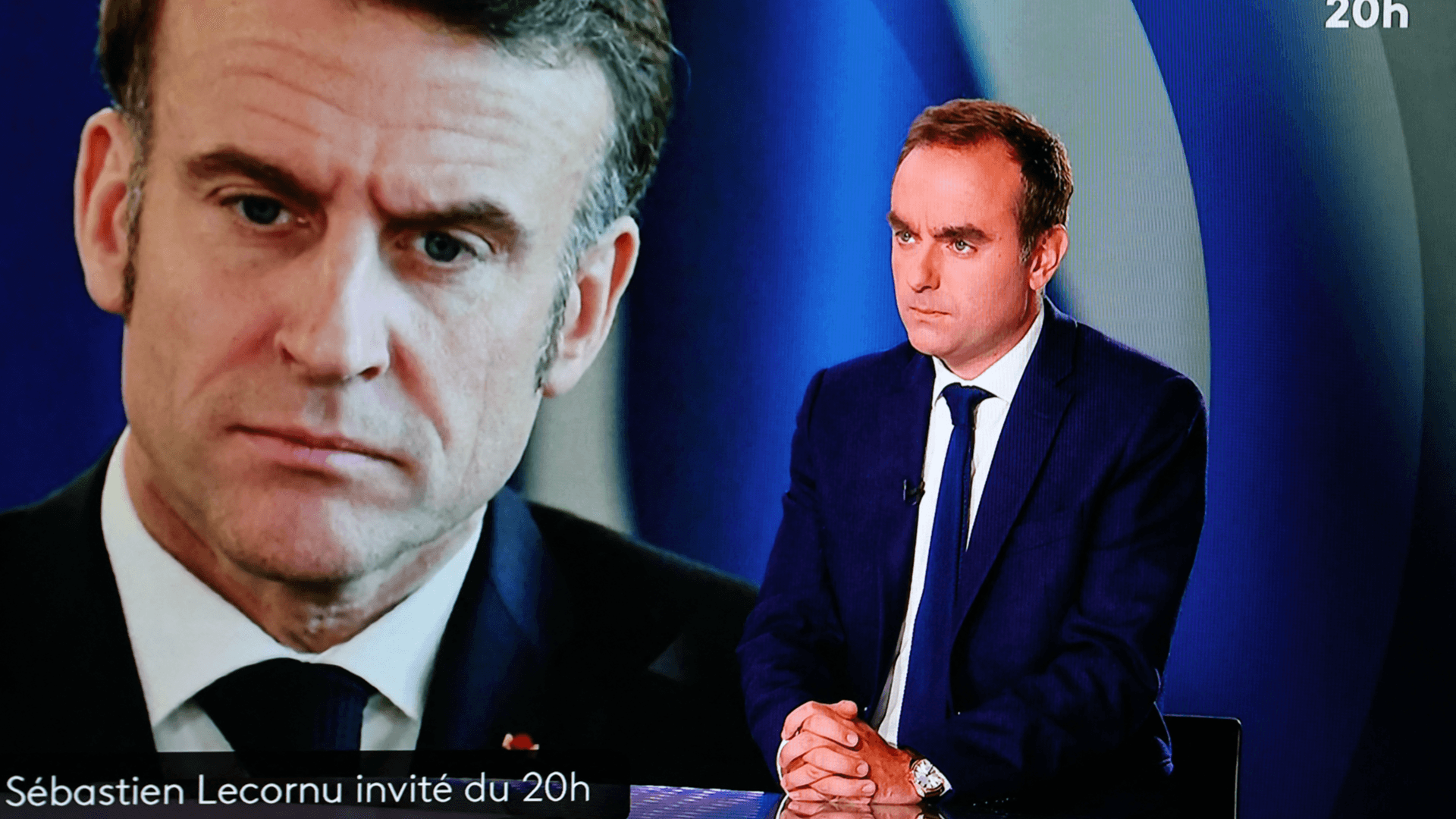
The survival was credited to cross-party abstentions and divisions among the opposition. Attention now shifts to the contentious 2026 budget in a deeply divided parliament.
Pension Reform Suspension Details
Survival hinged on support or abstention from Socialist lawmakers after Lecornu pledged to suspend President Macron’s unpopular 2023 pension reform—a law raising the retirement age from 62 to 64—an assurance that several outlets specify lasts until after the 2027 presidential vote. Reports also recall that the reform was previously pushed through using Article 49.3, intensifying backlash. Some coverage notes process details—such as presenting the suspension via amendment to the social security budget—while others quantify the fiscal costs of delaying the reform, offering differing estimates but agreeing there will be a short‑term hit.
2026 Budget Challenges
The immediate test is shepherding a reduced 2026 budget through a splintered Assembly without resorting to Article 49.3—another explicit pledge from Lecornu—while squaring deficit‑reduction targets and rival tax agendas. Government targets aim to shrink the deficit toward roughly 4.7% of GDP next year alongside plans for a €30 billion fiscal effort heavy on spending restraint.
“France aims to reduce its deficit from 5.4% to 4.7% of GDP next year... The left plans to push for wealth taxes... which the government opposes.”
The Socialists and broader left are pushing for new taxes on the ultra‑rich, which the government resists. This foreshadows hard bargaining over benefit freezes, medical deductibles, and local authority savings as a year‑end deadline looms.
Post-Election Parliamentary Dynamics
The parliamentary arithmetic remains volatile after the 2024 dissolution delivered a hung chamber. Analysts describe a legislature split across left, center, and far right, with RN pushing for new elections and tactical voting swirling around the censure bids. Investigations note that RN even aligned with the LFI motion that came within 18 votes, while some leftists later withheld support from an RN-led censure.
Conservative Republicans largely abstained or provided restrained opposition, though internal pressure produced a few defections. This turbulence coexists with appeals from the Assembly speaker for compromise as budget talks begin.

Conflicting Reports on Cabinet Changes
Confusion and contradictions in reporting on personnel and optics mirror the wider instability. Multiple outlets say Lecornu reshuffled a 34‑member cabinet, naming Catherine Vautrin Defence Minister and Laurent Nunez Interior Minister. However, SakshiPost reports criticism over appointing former economy czar Bruno Le Maire as Defence Minister, which clashes with others that name Vautrin.
“His new government... includes 34 ministers... with notable appointments such as Catherine Vautrin as Defence Minister and Laurent Nunez as Interior Minister.”
One outlet even misnames the premier as “Olivier” Lecornu. Meanwhile, market‑oriented coverage notes investor relief and rising equities after reform suspension. Political analyses depict a severe systemic crisis with rising far‑right influence and risks tied to France’s debt trajectory.