Europe12 March, 20263 min read
French voters vote in first round of municipal elections ahead of 2027 presidential race
This article is an automated aggregation of coverage from news outlets. Our editorials offer in-depth analysis curated by the NewsCord team.
First round of municipal elections held across France ahead of 2027 presidential race. Far right gains notable presence in major cities while left resists.

Election Overview
French municipal elections on March 15, 2026, served as a critical early test of political forces ahead of the 2027 presidential race. Over 904,000 candidates competed for mayoral positions across 35,000 municipalities. The first round voting provided important indicators of how parties might fare in next year's presidential election.
“French municipal elections Sunday gave political parties an early test of their electoral machines before next year's presidential race to succeed President Emmanuel Macron, with a first round of voting for mayors and their teams across France, from small villages to the biggest cities.”
Particularly whether Marine Le Pen's National Rally party continues gaining ground. These elections represented a significant examination of alliance formations between mainstream and extremist parties.
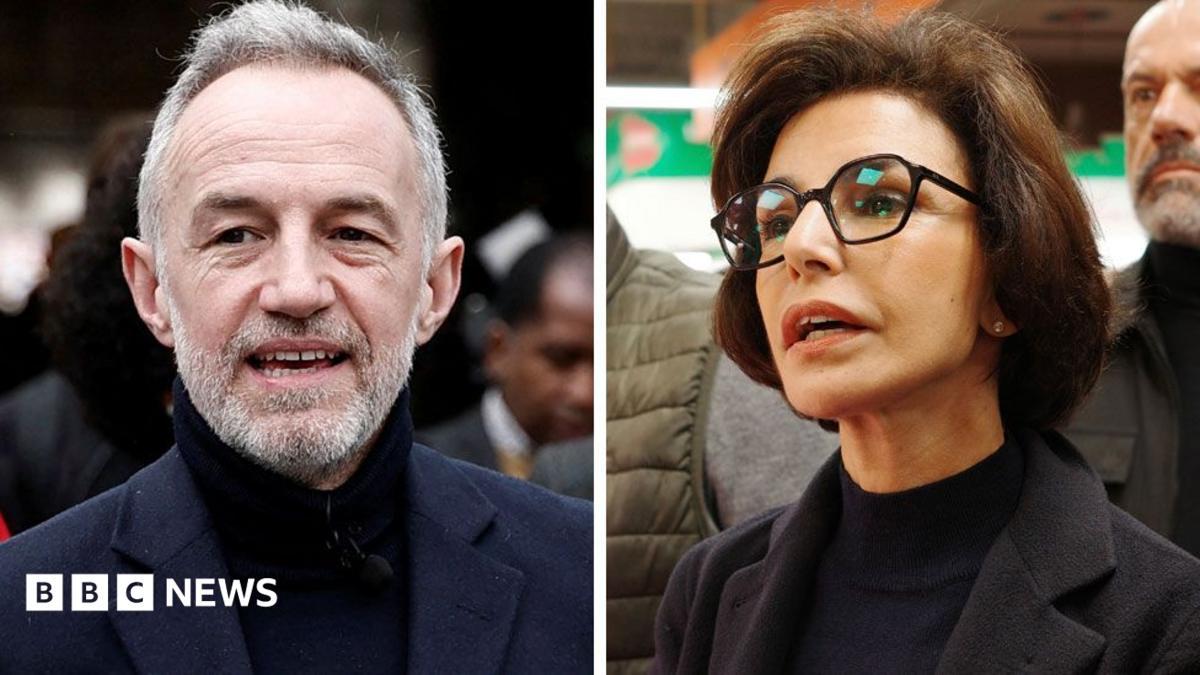
France's increasingly polarized political landscape adds complexity to these municipal contests. The two-round electoral system, where strategic voting and alliances determine winners, shapes political realignments.
Far-Right Performance
The National Rally delivered a strong performance in the first round of municipal elections. Jordan Bardella declared that voters expressed 'a deep desire for change' and appealed for more backing in the second round. The party is strategically positioning itself to capitalize on momentum heading into the 2027 presidential election.
Marine Le Pen faces legal complications as she was convicted of embezzlement last year. She was prohibited from seeking public office for five years. An appeals court verdict is scheduled for July 7, 2026.

Despite legal uncertainty, the party made significant inroads in key municipalities. This indicates growing influence at the local level and ability to translate national support into local gains.
Key City Races
Key city races across France revealed distinct local dynamics with national implications. In Paris, incumbent Socialist Mayor Anne Hidalgo decided against seeking a third term. A suspenseful second-round runoff was shaping up with multiple candidates advancing.
“Attention turned to races in key cities, including Paris, where polling agencies' projections pointed to a possibly suspenseful second-round runoff, with multiple candidates advancing. Official results were expected later Sunday night. Incumbent Socialist Mayor Anne Hidalgo, elected in 2014 and reelected in 2020, decided against seeking a third term.”
Right-wing candidate Rachida Dati, centre candidate Pierre-Yves Bournazel, and far-right candidate Sarah Knafo all competed. Marseille presented a crucial contest with incumbent left-wing Mayor Benoît Payan facing stiff challenge from National Rally's Franck Allisio. About a third of Marseille's population is of North African origin.
The city has experienced surge in armed violence between gangs competing for drug trade control. This fueled National Rally's tough-on-crime and anti-immigration platform.
In Lyon, Green Mayor Grégory Doucet trails centre-right rival amid controversy over far-right activist's death. In Nice, RN ally Eric Ciotti had a projected first-round lead.
Alliance Dynamics
The elections exposed significant strain on France's traditional 'Republican front'. This informal alliance system has historically kept far-right parties out of power. Several leading local politicians suggested they might team up with the National Rally.
This indicates erosion of decades-old political taboos. Macron's Renaissance party, facing deep unpopularity, attempts alliances with centre-right. The party controls few local councils despite efforts to maintain government footholds.
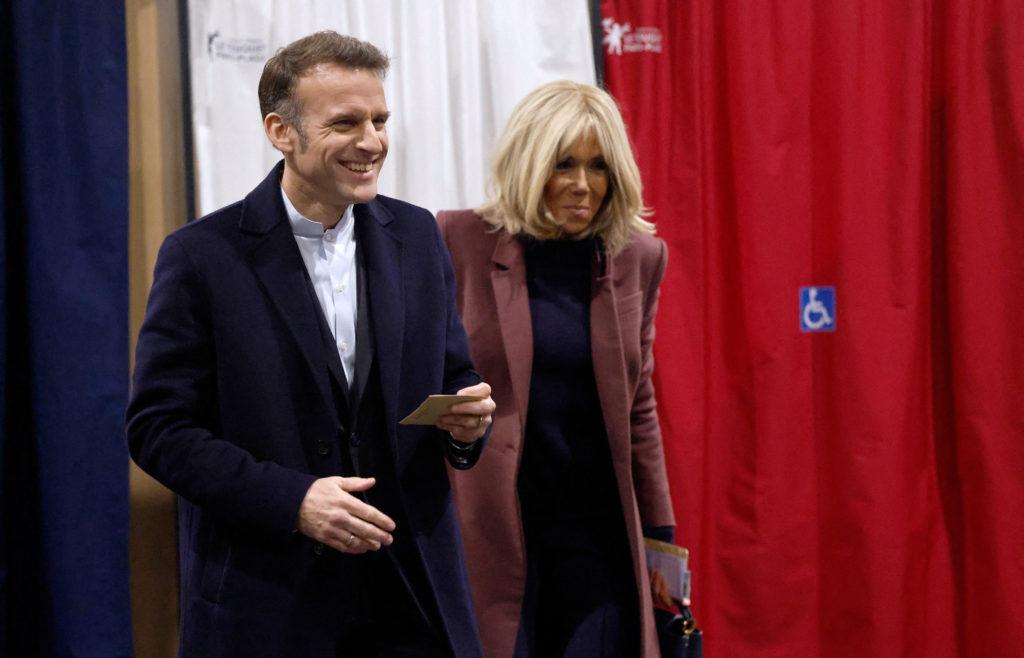
Renaissance fielded reduced number of lists compared to 2020, suggesting strategic retreat. The Socialist Party refused national alliance with Jean-Luc Mélenchon's France Unbowed. Some local tie-ups between left parties remain likely despite national divisions.
In Marseille, tensions ran high as Mélenchon's candidate refused to stand aside. This risks splitting left vote and potentially handing city to National Rally.
Campaign Themes
Security concerns and backlash against left-wing policies emerged as dominant themes. Residents expressed frustration with perceived soft-on-crime left-wing mayors. The 'war on cars' policies that reduced traffic created backlash among commuters and businesses.
“In 2020, those dynamics led to the election of a slew of left-wing mayors promising to make their cities greener and more egalitarian. Now, concerns about security are driving the campaign amid a backlash against a war on cars by soft-on-crime left-wing mayors.”
Paris faced accusations of business and resident exodus under Hidalgo's leadership. The city doubled its debt load while neglecting sanitation and security concerns. Decline was evident in poorer neighborhoods around Boulevard périphérique.

These areas experienced tent cities, drug-dealing, crime, and uncollected garbage. National Rally's tough-on-crime and anti-immigration platform resonated strongly.
Franck Allisio's candidacy in Marseille gained traction amid rising armed violence. This focus on security suggests voter priorities shifting from progressive urban policies.