Technology and Science08 July, 20263 min read
FTC And Five States Reach 10-Year Right-To-Repair Settlement With Deere & Company
FTC and five states reach a 10-year right-to-repair settlement with Deere. Deere must provide farmers and independent shops diagnostic tools and repair information for 10 years.
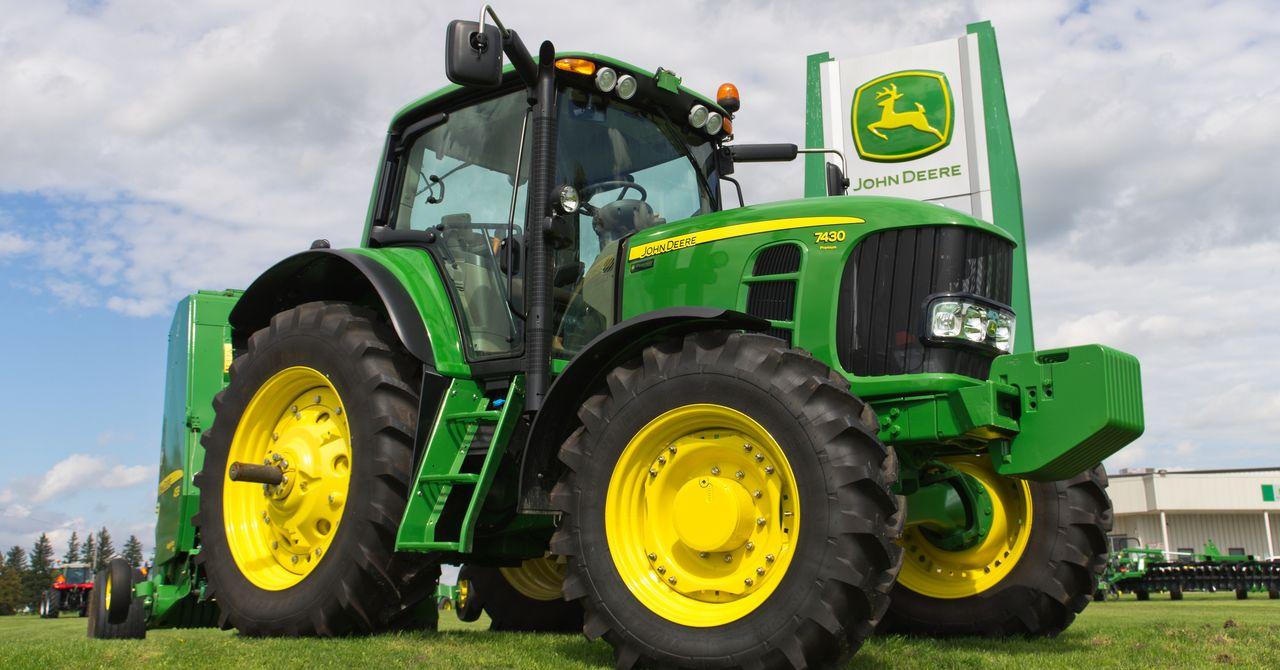
Deere settlement ends fight
The Federal Trade Commission and five states reached a right-to-repair settlement with Deere & Company that requires the company to provide farmers and independent repair providers with the same equipment repair resources, including applicable software capabilities, that it provides to authorized Deere dealers for the next 10 years. The FTC’s case accused Deere of “unlawfully acquired and maintained monopoly power in markets for repair services for Deere farm equipment,” and the settlement is tied to an FTC order filed in federal court in the Northern District of Illinois. The agreement follows a separate class action in which John Deere agreed to pay out $99 million in April, and the FTC settlement is described as requiring Deere to make repair services available to equipment owners and independent shops rather than only its authorized network.
In the FTC order, Deere is required to make repair resources available to every owner and IRP on fair and reasonable terms, and the order defines repair resources to include Deere’s Operations Center PRO Service. The settlement also includes compliance and reporting obligations, with Deere required to submit compliance reports to the FTC every 60 days and annual compliance reports for the next 10 years.
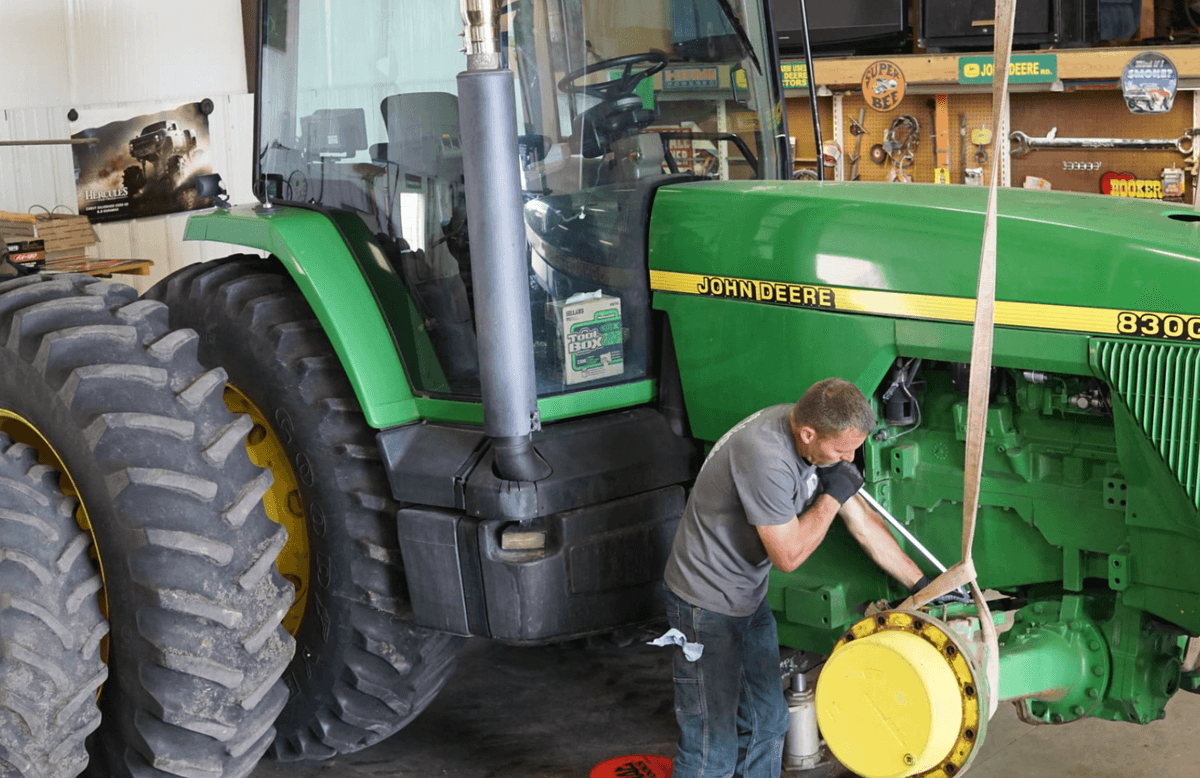
Voices hail, dispute lingers
Arizona Attorney General Kris Mayes said, “For too long, Arizona farmers and independent mechanics have been at the mercy of Deere’s monopoly over repair tools, forced to wait — and pay — for authorized dealers just to fix broken tractors and other equipment,” framing the settlement as relief from delays and higher costs.
Deere’s vice president of aftermarket and customer support, Denver Caldwell, said the agreement is “good news for our customers,” adding that the company’s focus is on helping customers keep machines running “when and how they need them.”

The FTC order also states that “Defendant neither admits nor denies any of the allegations in the complaint,” while still requiring Deere to provide repair resources and to instruct dealers not to discriminate or retaliate against owners or IRPs that seek repair resources.
Willie Cade, a longtime farm right to repair advocate, criticized the earlier Illinois class-action settlement’s practical impact, saying “Bad settlement. The settlement is insufficient … the money is a small fraction of what the class could recover at trial.”
In a separate statement, US PIRG Senior Right to Repair Campaign Director Nathan Proctor said, “We should be able to fix our own stuff,” and called the FTC settlement “a win for farmers and all of us who want a more fixable world.”
What changes next
The settlement requires Deere to provide access to diagnostic and repair tools for the next 10 years, and the order is headed to Judge Iain D. Johnston for approval.
Under the FTC order, Deere must make most repair resources available immediately, while other items carry deadlines including Dec. 31, 2026 for the full suite of product improvement programs, or PIPS, and for capabilities tied to “fix as fail.”
The order specifies that Deere must provide tools including the ability to view diagnostic trouble codes, to program and reprogram and install embedded software including electronic control units, and to disable and reset electronic locks, immobilizers or security-related functions to allow for repairs.
Deere is also required to pay $1 million to each of the five plaintiff states within 30 days, and the order requires the company’s CEO to verify compliance reports submitted to the FTC.
The Des Moines Register reported that Deere agreed in April to pay $99 million to settle related private class-action litigation, while the FTC settlement itself does not provide monetary damages for farmers but instead sets ongoing obligations and oversight for repair access.