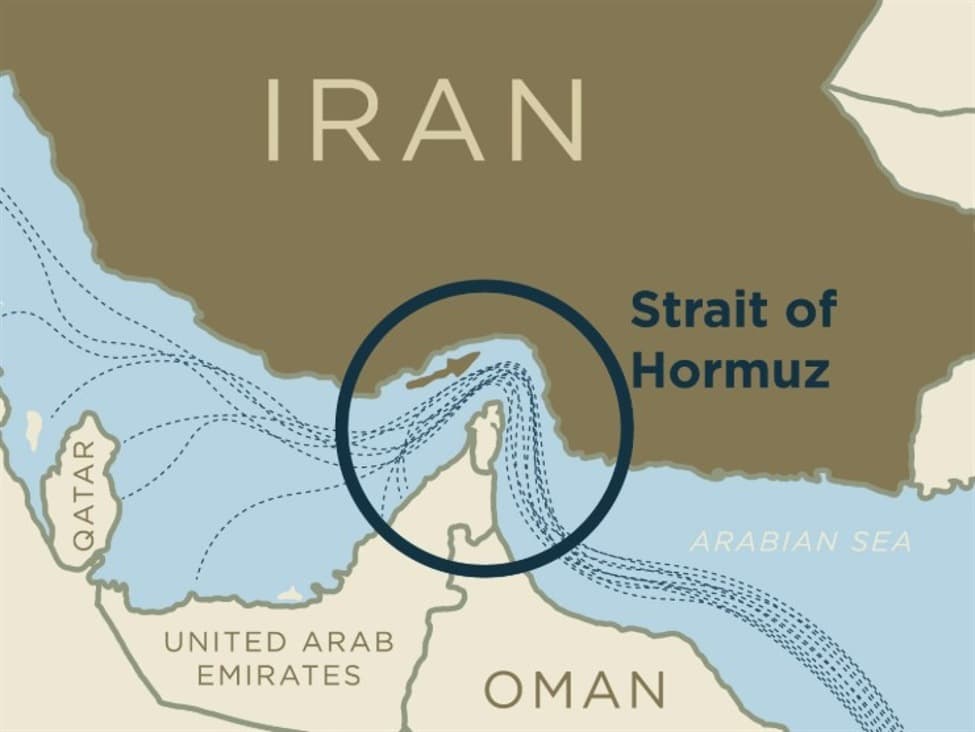
G7 Explores Warship Escorts in Gulf as Middle East War Disrupts Energy Routes
Key Takeaways
- G7 considers ship escorts in the Gulf to protect energy and trade routes
- G7 coordinates with regional partners on maritime security measures
- G7 reaffirmed commitment to maintaining sanctions against Russia
G7 considers ship escorts
G7 leaders are actively weighing the option of deploying ship escorts through the Gulf as escalating Middle East tensions threaten energy markets and critical shipping routes.
“G7 leaders weigh ship escorts in the Gulf and coordinate with regional partners as Middle East tensions threaten energy markets and trade routes”
Both investingLive and News & Analysis for Stocks reported that leaders discussed coordinating with regional partners to restore freedom of navigation and protect energy supply lines, framing ship escorts as a concrete measure under consideration.
The discussion follows a call convened by French President Emmanuel Macron, with participants including the United States, Canada, Japan, Britain, Germany, France and Italy, signalling a unified G7 attention to maritime security in the Gulf.
Reason for discussions
The immediate driver for the G7 talks is concern over the economic fallout from a widening regional conflict, which both sources described as linked to clashes involving the United States, Israel and Iran.
Leaders flagged that disruptions in the Gulf could surge global energy prices and pose risks to critical shipping lanes, prompting the group to explore options ranging from diplomatic coordination with Gulf states to possible naval measures.
The aim presented in the coverage is to protect commerce and energy supplies while signalling that the G7 will act to keep trade routes open.
Policy coordination and sanctions
As part of the response, the G7 reiterated commitments on other geopolitical fronts while pivoting to regional coordination: both articles note the leaders reaffirmed sanctions on Russia even as they addressed Middle East instability.
“G7 leaders weigh ship escorts in the Gulf and coordinate with regional partners as Middle East tensions threaten energy markets and trade routes”
A working group will study escorting commercial vessels, and leaders emphasised strengthening ties with Gulf countries to manage economic consequences and avoid export restrictions that could worsen supply disruptions.
Coverage frames these steps as practical measures to stabilise markets without undermining existing sanctions policy.
Focus on economic stability
Both sources present the G7 steps as focused on economic stability and freedom of navigation rather than direct military escalation; they highlight diplomatic coordination with Gulf partners and formation of a working group to examine escorts.
The reporting underlines the broad membership of the discussion, the explicit link between regional conflict and global energy markets, and an expressed preference for measures that protect trade while maintaining other strategic stances such as sanctions on Russia.
More on Iran
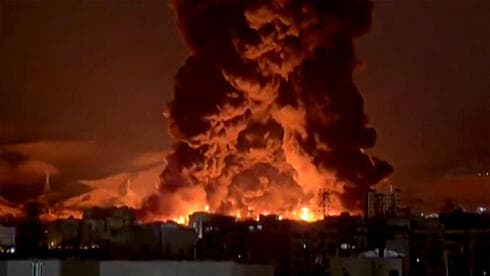
US obliterates military targets on Iran’s Kharg Island, Trump warns
13 sources compared
US Deploys About 2,500 Marines to Middle East After Iran Attacks Gulf Shipping
33 sources compared
FBI Warns of Iranian Drone Plot Based on Unverified Tip; California Says No Credible Threat
10 sources compared

White House Demands ABC Retract Report Claiming Iran Sought To Launch Drone Attacks On California
11 sources compared