Iran-Israel15 January, 20262 min read
G7 Threatens New Sanctions Against Iranian Regime Over Brutal Crackdown on Nationwide Uprising
This article is an automated aggregation of coverage from news outlets. Our editorials offer in-depth analysis curated by the NewsCord team.
G7 foreign ministers threatened additional sanctions over Iran's deadly crackdown on protesters President Trump threatened strikes but held off after receiving assurances Iran halted killings

8 outlets told this the same way.
Outlets did split on U.S. Intercepts Iran Message Activating Sleeper Cells After U.S.-Israel Strike Kills Khamenei →
Global response to Iran crackdown
World powers, led by the G7, publicly condemned Iran's violent crackdown on nationwide protests and warned they stood ready to impose further restrictive measures. The United States announced targeted Treasury sanctions against 18 Iranian individuals and entities purportedly linked to the repression.
“The G7... said they were ‘gravely concerned,’ condemned the ‘deliberate use of violence’ by Iranian security forces, and warned they stand ready to impose additional restrictive measures if the repression continues.”
The G7 said it was gravely concerned and condemned the deliberate use of violence by Iranian security forces, and Ursula von der Leyen said the EU is considering deepening sanctions and already restricts more than 230 Iranian officials and some 40 state bodies. The US also moved to sanction persons it accuses of enabling repression and laundering oil revenues, including national security chief Ali Larijani, as the UN Security Council prepared to hold an emergency meeting at Washington's request.

Casualties amid crackdown
Rights monitors and multiple news outlets report a heavy toll from the crackdown. Norway-based Iran Human Rights said at least 3,428 protesters have been killed.
Other outlets report more than 3,400 deaths and widespread injuries amid an almost week-long internet blackout that curtailed independent reporting. AFP-verified footage and accounts, including reports of bodies at a Tehran morgue and casualties among Red Crescent staff, were cited by several outlets as evidence of severe repression.
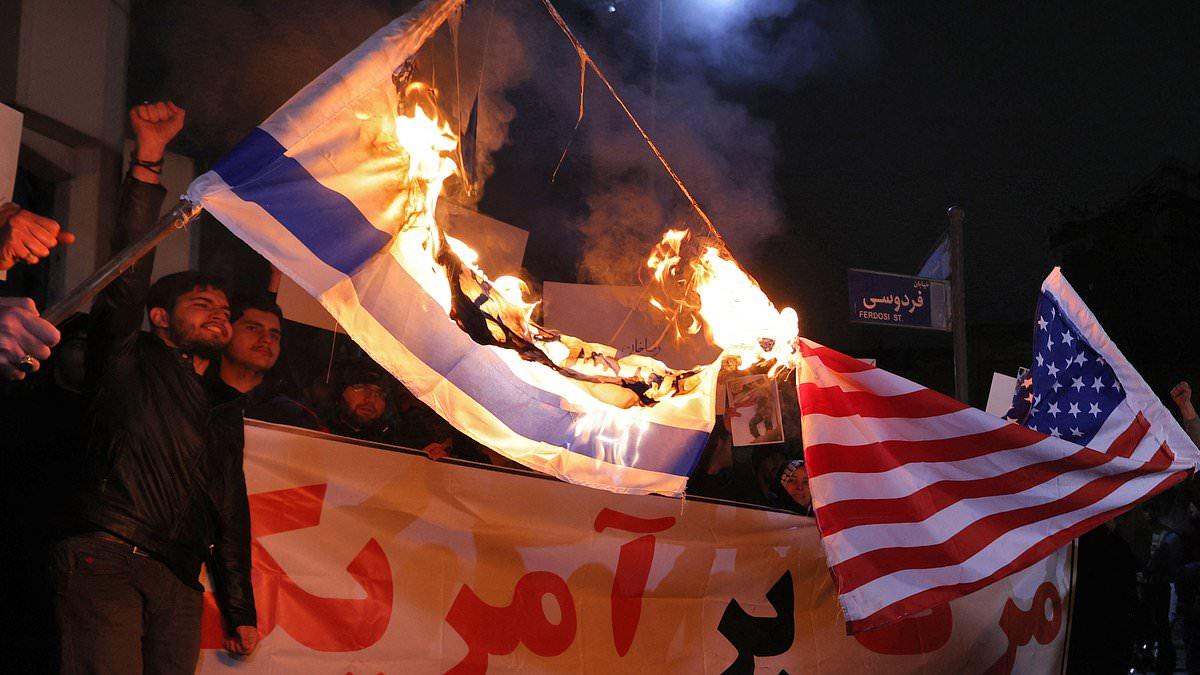
International response summary
Beyond sanctions, the international response has included diplomatic moves and some domestic policy changes. The EU signalled it could list additional Iranian bodies, including calls to list the IRGC. Germany suspended deportations to Iran.
“The EU’s president, Ursula von der Leyen, called the killings a ‘human tragedy,’ said the bloc is considering deepening sanctions, and noted the EU already restricts more than 230 Iranian officials and some 40 state bodies (including the morality police and prisons).”
Canada's foreign minister said a Canadian citizen died "at the hands of the Iranian authorities." Commentators noted that new U.S. sanctions may be largely symbolic if listed individuals lack U.S. assets. At the same time, the U.S. administration stepped back from threats of direct military strikes.
Regional crisis responses
Regional dynamics, security precautions and diplomatic mediation complicated the crisis. Gulf states reportedly pressed the US to avoid strikes, moved some personnel and warned staff to take precautions. Tehran denied foreign backing for the unrest, vowed fast-track justice and warned it would defend itself against external threats.
Some outlets emphasised that the unrest has broadened from economic grievances into political demands against clerical rule. Other outlets highlighted practical impacts, such as Iran briefly closing its airspace and airlines avoiding Iranian and Iraqi airspace.

Market and energy coverage
Economic and commercial fallout is reported in separate coverage. Gulf Business highlights oil-market developments during the same period. US crude and gasoline inventories rose more than expected, and Venezuela resumed crude exports.
“US crude and gasoline inventories rose more than expected in the week to Jan. 9, with crude stocks up 3.4 million barrels to 422.4 million — a surprise versus analysts’ forecast of a 1.7 million-barrel draw (EIA).”
OPEC signalled a near balance in 2026, and China's crude imports rose 17% year-on-year in December. This shows how some outlets emphasise market and energy impacts rather than the human-rights and diplomatic storylines that dominate other coverage.
