Pakistan19 February, 20262 min read
Gas Explosion Rips Through Karachi Apartment, Collapses Building and Kills 16 During Pre-Dawn Ramadan Meal
This article is an automated aggregation of coverage from news outlets. Our editorials offer in-depth analysis curated by the NewsCord team.
Gas explosion in Soldier Bazaar, Karachi killed 16 people Blast originated on the first floor, collapsing part of the three-storey residential building

7 outlets told this the same way.
Outlets did split on Passenger Train Derails Near Sher Shah Bridge In Punjab, Killing Four And Injuring 30 →
Karachi Soldier Bazaar blast
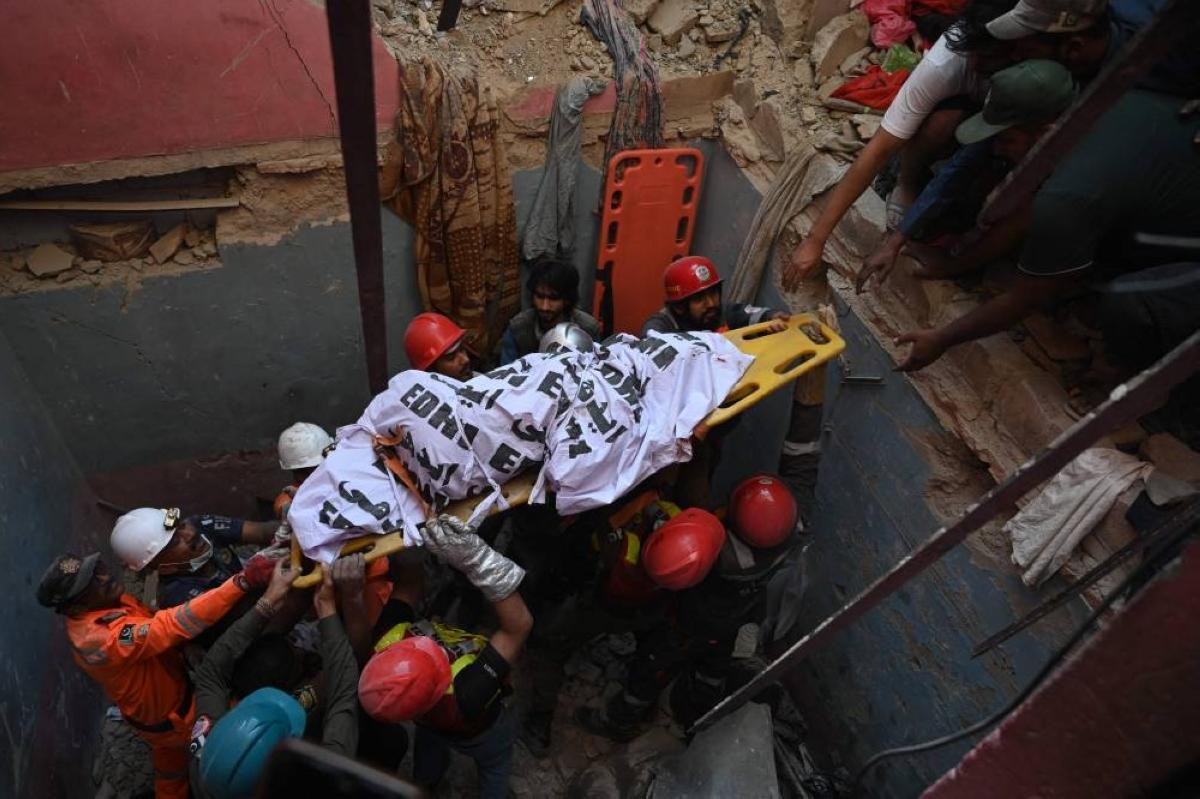
A powerful explosion tore through a three-storey residential building in Karachi’s Soldier Bazaar area on Feb. 19, 2026, in the predawn hours as families prepared the sehri (pre-sunrise Ramadan meal).
“A massive gas explosion ripped through an apartment building in Karachi, Pakistan, early Thursday as residents prepared a pre-dawn meal on the first day of Ramadan.”
The blast collapsed part of the structure and killed at least 16 people.

Reports consistently place the blast around early morning or just before dawn and link it to Ramadan sehri preparations.
Authorities and rescue teams were immediately on site to search the rubble and recover victims.
Local officials and police quoted death tolls of 16 and described multiple injuries as rescuers continued operations amid a chaotic scene.
Casualty figures and rescue
Initial casualty figures and the profile of victims are broadly consistent that at least 16 people died and multiple others were injured, but sources supply different breakdowns. Some sources note several women and children among the dead and list ages and names of victims, while others report slightly different counts of the injured. Authorities and rescue teams recovered bodies from the rubble and hospitalised several injured, including minors, as searches continued for any remaining trapped survivors.
Investigation of suspected gas blast
Authorities and investigators have treated the blast as a suspected gas explosion or leak, with several sources noting the probable involvement of liquefied petroleum gas (LPG) cylinders amid broader natural gas shortages. Officials told reporters that a gas leak or cylinder was suspected. Scientific or chemical examination would determine the exact cause, and an official investigation into construction legality and safety compliance was also reported.
“Authorities described the blast as ‘unknown’ but said it was apparently a gas explosion and that an investigation is underway.”
Search and recovery response
Rescue teams, police and emergency services carried out search-and-recovery operations, retrieved bodies and transferred injured people to hospitals. Some outlets said searches were ongoing, while at least one reported that search-and-recovery was completed and debris removal had begun.
Authorities cordoned off the area and tightened security as investigators examined the site. Local leaders called for swift medical care and enforcement of safety rules.
Karachi blast coverage
The blast has been framed both as an isolated accident and as part of wider safety and infrastructure concerns in Karachi and Pakistan. Some outlets link the explosion to recurring unsafe buildings in the city or to systemic energy shortages that push households to use LPG cylinders, and several compare it to recent deadly incidents in other parts of Pakistan. Coverage varies in which prior incidents are referenced and which systemic causes are emphasised, affecting the tone of reporting from immediate tragedy to broader public-safety critique.
“The accident highlights recurring safety problems in Karachi — where hundreds of buildings have been declared dangerous — and follows a deadly five‑storey collapse in Lyari last July that killed 27 people.”