
GCC Urges Inclusion in U.S.-Iran Talks After Trump Extends Strike Pause to April 6
Key Takeaways
- GCC seeks involvement in US-Iran talks to safeguard regional stability amid April 6 pause.
- Iran insists on inclusive regional security with participation of all regional countries.
- Iran seeks to redefine West Asia security order and resist US-Israel military alliance.
GCC presses for talks
GCC countries are calling for direct involvement in upcoming U.S.-Iran talks as concern grows over President Donald Trump’s decision to extend the pause on strikes against Iranian energy infrastructure until April 6.
“GCC countries are calling for direct involvement in upcoming U”
DD News says GCC Secretary-General Jasem Al-Budaiwi urged Gulf states be included in negotiations to help safeguard regional stability, while leaders in Riyadh and Abu Dhabi fear a hasty agreement that focuses on reopening shipping lanes without addressing broader security concerns.
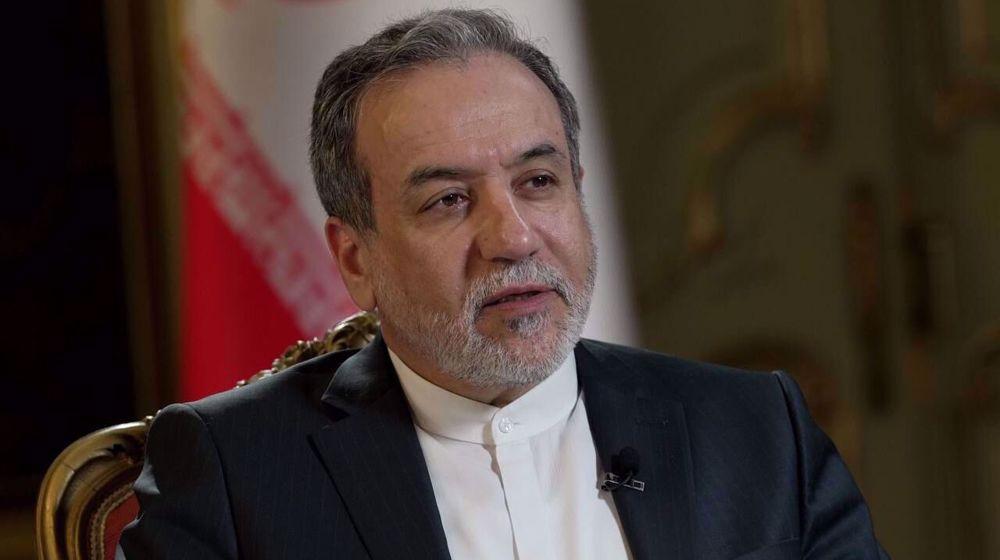
UAE diplomatic adviser Anwar Gargash stressed the need for severe restrictions on Iran’s missile and drone capabilities as part of any settlement, as Gulf officials tied the security threat to unresolved missile and drone risks.
The DD News account also links the diplomatic window to fears that it could allow Tehran to strengthen its position in the Strait of Hormuz while missile and drone threats remain unresolved.
Iran’s five conditions
خبرگزاری مهر frames Iran’s position for negotiations around a “Five-Point Condition” presented as a framework for a “Just Peace” and a guarantee of national interests.
The article says Tehran’s roadmap focuses on “ending the war, lifting sanctions, freeing assets, compensating losses, and sovereignty over the Strait of Hormuz,” and it argues the conditions are not a maximal demand but a political model to redefine the security order in West Asia.
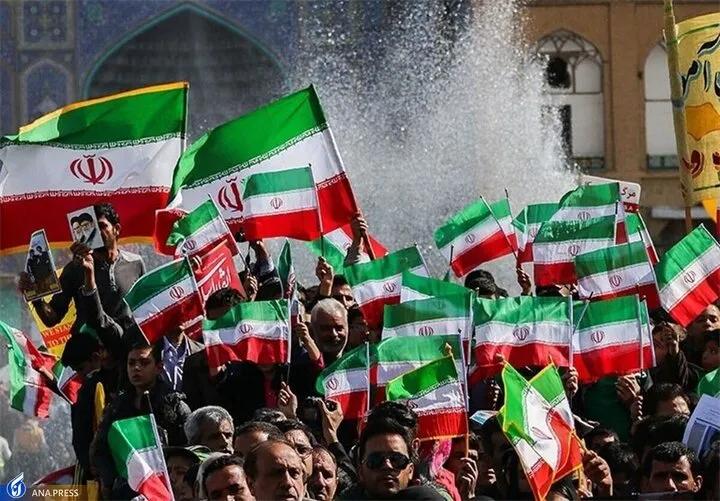
In its first condition, خبرگزاری مهر calls for “a complete and permanent stop to aggression on all fronts,” rejecting what it describes as Washington’s efforts to maintain a “no war, no peace” status to its advantage.
The same piece says the most tension-provoking demand is “recognizing Iranian sovereignty and governance over the Strait of Hormuz,” presenting it as an end to “American naval doctrine in the Persian Gulf.”
Security without Iran
PressTV quotes Iranian Foreign Minister Abbas Araghchi saying any new security arrangement in West Asia that disregards the Islamic Republic is bound to fail, and he calls for an inclusive regional framework.
“According to the ANA News Agency, recent developments in the region, especially the aggression by the United States and the Zionist regime against Iran, have once again brought the issue of regional security to the center of attention”
Araghchi told PressTV that “regional security cannot be shaped based on the exclusion or disregard of Iran,” and he added that sustainable security, economic development, and regional stability require cooperation and consideration of common interests including Iran.
PressTV also reports Araghchi linking Iran’s diplomatic strength to national cohesion, saying “the main backbone of Iran's strength in the field of diplomacy,” as he described the “recent US-Israeli war of aggression against the Islamic Republic” that started on February 28.
The same PressTV account says a Pakistan-brokered temporary ceasefire took effect on April 8, and it adds that Iran and the United States are set to sign a Pakistan-mediated memorandum of understanding within the next few days.
More on Iran

Trump Announces US-Iran Peace Deal, Reopens Strait of Hormuz and Removes Naval Blockade
35 sources compared
Donald Trump Announces US-Iran Ceasefire, Orders Removal of Naval Blockade, Strait of Hormuz Reopens
29 sources compared
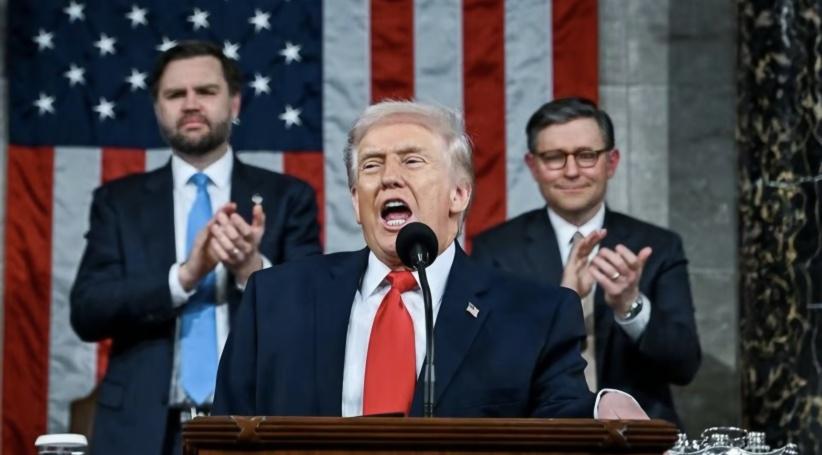
Trump Says US-Iran Peace Deal Complete, Orders Removal of Naval Blockade
11 sources compared

Donald Trump Orders Stop Of U.S. Naval Blockade As Iran Deal Opens Strait Of Hormuz
13 sources compared