USA03 November, 20253 min read
George Clooney Calls Replacing Biden With Kamala Harris a 'Mistake' in 2024 Election
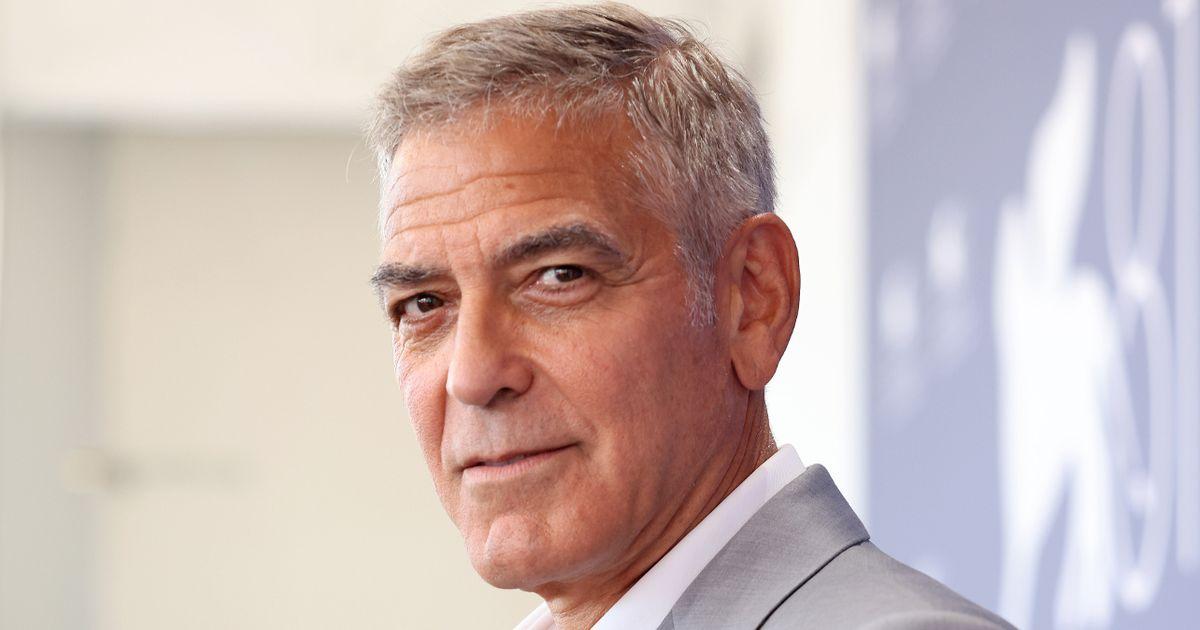
George Clooney called replacing Joe Biden with Kamala Harris a 'mistake' in 2024 election. Clooney argued Harris faced difficulty running against her own political record.
12 outlets told this the same way.
Outlets did split on Trump Interrupted by Protesters at San Antonio Rally for Ken Paxton →
George Clooney on 2024 Nominee
George Clooney has reiterated that replacing Joe Biden with Kamala Harris as the 2024 Democratic nominee was a mistake. He expressed this view again in a CBS Sunday Morning interview while standing by his New York Times op-ed urging Biden to step aside and the party to hold a competitive process. Western mainstream outlets report that Clooney argued Harris faced the difficult challenge of running against her own record.
“Actor George Clooney expressed that it was a mistake for Kamala Harris to replace Joe Biden... Speaking on CBS’ Sunday Morning... wished the party had held a competitive primary instead of nominating Harris by a virtual delegate vote.”
He also said he wished Democrats had staged a real primary rather than a virtual delegate handoff. Western tabloids similarly highlight his framing of the situation as a mistake and his suggestion of picking a new nominee at the August convention despite the complications. Asian outlets condense the same core points, emphasizing the CBS interview and the quote about the mistake tied to Harris’s elevation without a primary.
Clooney's Political Strategy Critique
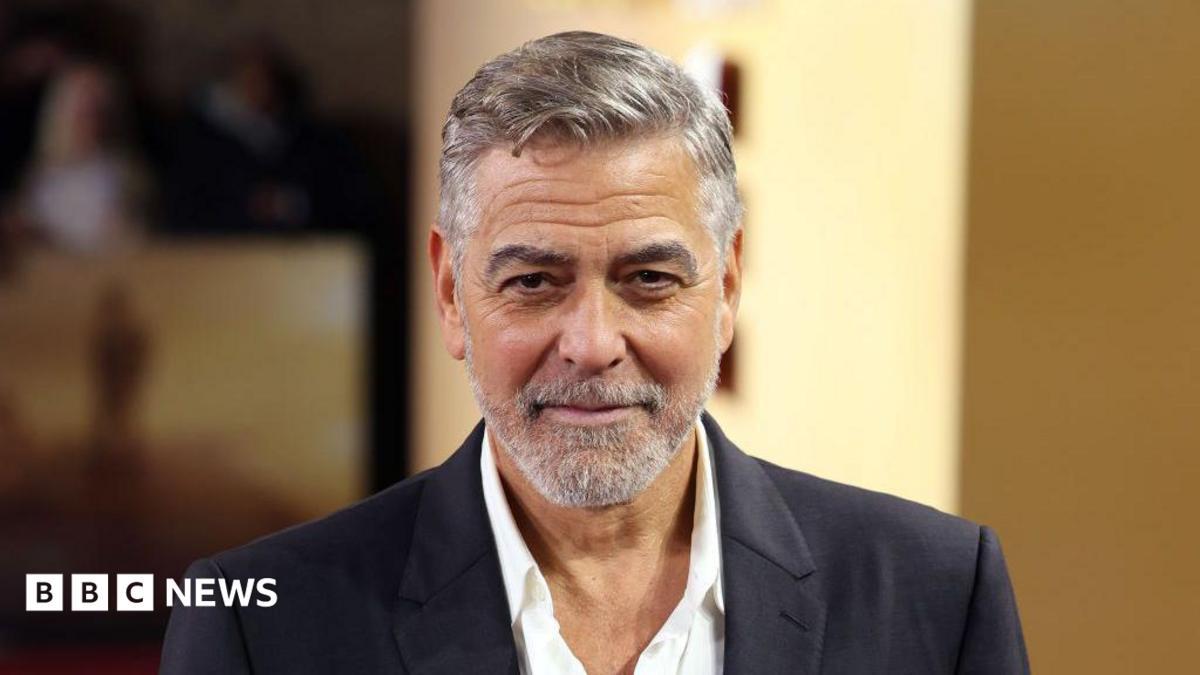
Clooney’s strategic critique goes beyond one interview. He has consistently argued that Democrats should have run a competitive primary instead of elevating Harris via delegates. This approach forced her to campaign against an administration record she helped create.
Other outlets expand this argument, particularly from the 'Other' source category, by saying a primary would have vetted contenders and let Harris or another nominee build a distinct, battle-tested identity. This would have been preferable to defending a mixed legacy while promising change.

Tabloids note that Clooney floated the idea of the August convention as a venue for choosing a new nominee. He acknowledged that this process would be complicated or messy.
Clooney's Political Commentary
Clooney places his critique within a broader timeline. He published a July New York Times op-ed urging Biden to step down after a poor debate with Donald Trump, citing age and warning that Democrats could lose more ground in Congress. Western mainstream reporting notes that after Biden withdrew and endorsed Harris, Clooney supported her while maintaining his original argument about the process.
“He said he would write the op-ed again and wished the party had held a competitive primary... noted concerns about potential further losses in the House.”
An Asian news outlet goes further by reporting that after Harris became the nominee, she ultimately lost to Trump in November. This electoral outcome is not detailed in several Western mainstream stories summarized here.
Clooney on Harris and Elections
Even as he calls the Harris handover a mistake, Clooney says he would 'write the op-ed again.' He warns about Democratic prospects down-ballot. Tabloid coverage pairs his critique with broader alarms about attacks on institutions that 'uphold truth and power.'
Western mainstream pieces keep their emphasis on the procedural primary debate. Across sources, Clooney’s positioning is that a competitive contest, even if messy, could have energized voters and avoided forcing Harris to run against the administration’s own record.

Reactions to Clooney's Op-Ed
Some coverage also touches on the interpersonal fallout from Clooney’s op-ed. Rolling Stone reports that he dismissed claims Barack Obama influenced his stance and describes Hunter Biden’s aggressive response to the op-ed.
“When asked about Hunter Biden’s response to his op-ed, Clooney acknowledged seeing it but chose not to engage in a public dispute... He wished Hunter well in his recovery and expressed a desire to move forward without further conflict.”
By contrast, other outlets highlight Clooney’s refusal to escalate, noting he chose not to engage in a public dispute, wished Hunter well in his recovery, and wanted to move on. Western mainstream and Asian summaries of his latest interview often omit these interpersonal details, concentrating instead on the strategic critique and the primary question.
