Gaza Genocide06 December, 20253 min read
German Chancellor Merz Backs Israel While Israel Continues Genocide in Gaza
This article is an automated aggregation of coverage from news outlets. Our editorials offer in-depth analysis curated by the NewsCord team.
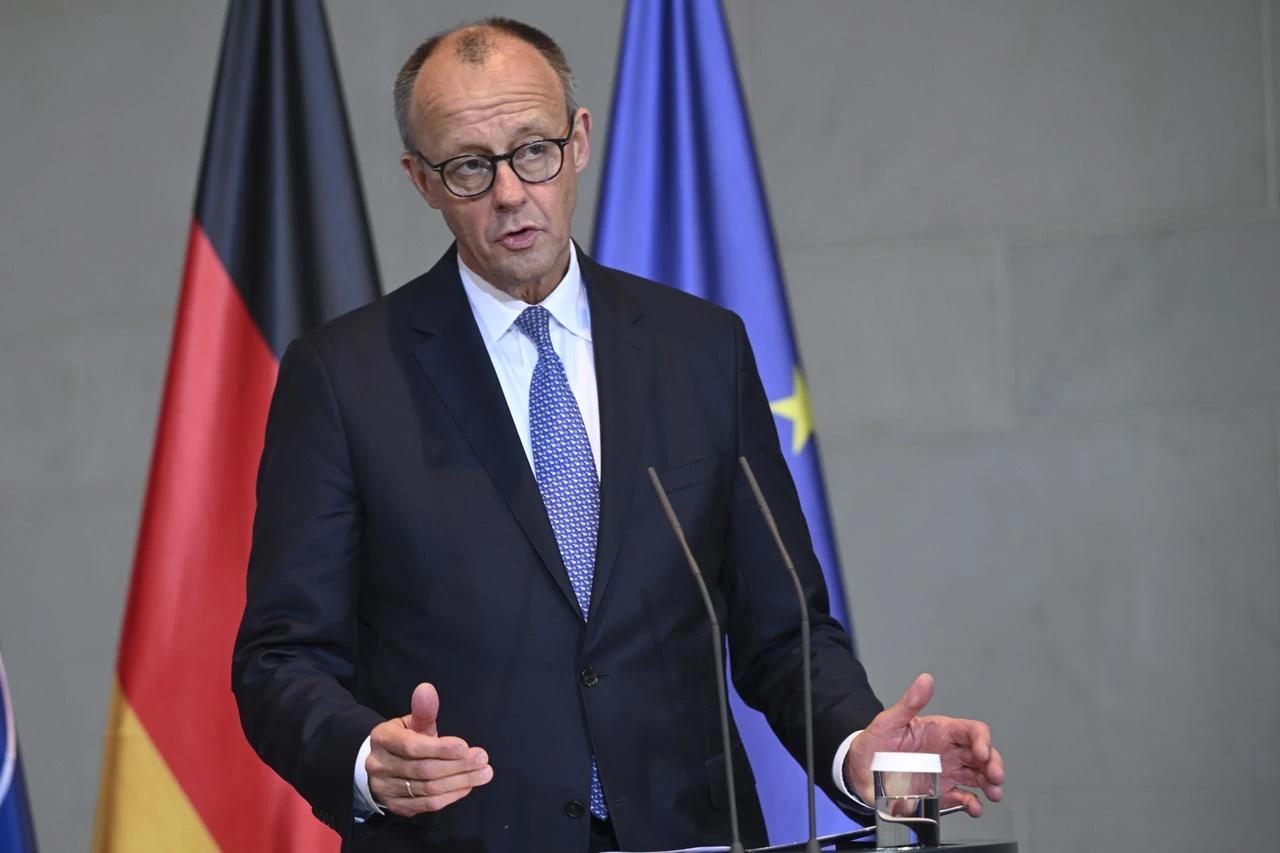
Chancellor Friedrich Merz made his first official visit to Israel and reaffirmed German support Germany resumed weapons exports and is a major arms supplier to Israel
9 outlets told this the same way.
Outlets did split on Israel Marks Oct. 7 Anniversary With Strikes on Gaza, Netanyahu Faces Election After Nova Tribute →
Merz visit to Israel
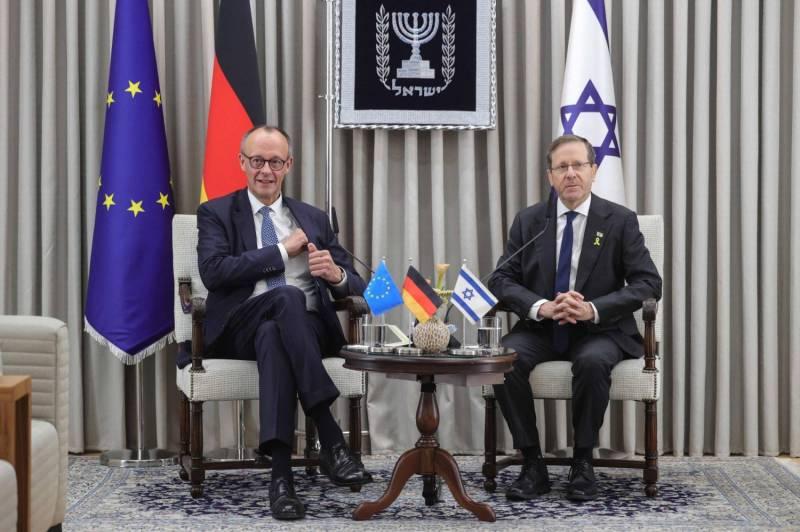
German Chancellor Friedrich Merz made his first visit to Israel since taking office and met Prime Minister Benjamin Netanyahu and other Israeli leaders. The visit came shortly after Berlin lifted a three-month restriction on new weapons exports to Israel. Multiple sources report Merz criticized parts of Israel’s conduct in Gaza while also seeking to reaffirm the special relationship and urging humanitarian steps such as increased aid to Gaza and a negotiated two-state solution.
“German Chancellor Friedrich Merz made his first visit to Israel since taking office soon after Germany lifted a three‑month suspension on new weapons exports to Israel. He met Prime Minister Benjamin Netanyahu to discuss bilateral ties and the Gaza ceasefire.”
Merz’s trip included meetings with Israeli and Palestinian officials and visits planned to sites including Yad Vashem. The trip underscores Germany’s complex diplomatic balancing act.
Germany-Israel arms ties
Germany temporarily restricted arms exports that could be used in Gaza in August. It lifted the restrictions in November but tied further exports to respect for the truce and to aid delivery, a move that drew criticism from Israeli officials. Official data cited by reporting shows a sharp rise in German export licences to Israel in 2023 compared with 2022.
Germany and Israel have decades-long defence cooperation that includes major systems such as the Arrow 3 anti-ballistic missile agreement. Sources note that Germany is Israel’s second-largest arms supplier after the United States, and that militarily relevant ties have continued even amid political tensions.

Gaza ceasefire and aid
Multiple news outlets report a catastrophic humanitarian toll in Gaza and ongoing ceasefire violations. Al Jazeera, citing Gaza authorities and the Government Media Office, records 591 separate ceasefire violations, at least 360 Palestinians killed and 922 injured since the truce began, and reports that only about 20% of mandated aid trucks have been allowed in. DW and Türkiye Today highlight rising civilian deaths and insufficient humanitarian aid.
“Germany has grown increasingly critical of Israel’s military campaign in Gaza amid rising civilian deaths...”
24 News HD reproduces Palestinian health authority figures that are far higher. Roya News and other outlets warn that the visit could be seen as legitimising an Israeli government accused of war crimes. While sources differ on casualty totals and emphasis, they collectively report severe civilian harm and constrained aid.
German media and politics
Germany's domestic politics and international posture feature throughout coverage. Al Jazeera notes Germany's wartime history shapes a 'special relationship' with Israel and reports that Germany has restricted pro‑Palestine activity domestically and abstained on several UN Gaza/Palestine votes since October 2023. DW foregrounds a renewed, fraught German debate about antisemitism and rising anti‑Jewish incidents linked to global events.
Türkiye Today and 24 News HD underline Berlin's limited leverage over Netanyahu and call for reforms to the Palestinian Authority. Blue News stresses Merz's warnings against West Bank annexation and a push to keep Palestinian statehood on the table. These different emphases show how source type affects whether coverage centers on the humanitarian crisis, domestic social anxiety, or diplomatic realpolitik.

Narratives on Merz and Gaza
Across sources, the core picture is consistent. Merz sought to preserve Germany’s close defence and political relationship with Israel, even as he publicly criticised some of Israel’s military actions in Gaza and briefly curtailed arms exports. At the same time, West Asian outlets and other regional reporting foreground severe Palestinian casualties and allegations of war crimes.
“Observers and Gaza authorities report ongoing ceasefire violations and serious humanitarian problems despite the truce...”
DW stresses German domestic security and social concerns, while pro‑government and local outlets emphasize stabilising the ceasefire and preventing annexation. The result is divergent narratives about responsibility and consequence. The facts reported are clear on meetings, export pauses, and grim humanitarian figures, but interpretation and emphasis vary markedly by source type.
