
Europe · 23 May, 2026 · 2 min read
Germany Approves Civil Protection Plan for Russia Attack, Mobilizing Up to 10 Billion Euros by 2029
Germany approves civil protection framework mobilizing up to €10 billion by 2029. Plan includes partial adaptation of bunkers, underground infrastructure, and digital alert systems.
Meaning of civil protection spending: defense preparedness vs war integration.
6 of 7 outlets skipped it: 2007 federal decision stopped maintenance and dismantled shelters..
7outlets compared
Same story, two versions
tap a side to read it in full
World Socialist Web Site
“it is not about protecting the population but about preparing for war.”Read the original ↗
Competing interpretations affect public trust and perceived intent of the policy.
Germany’s war-ready shift
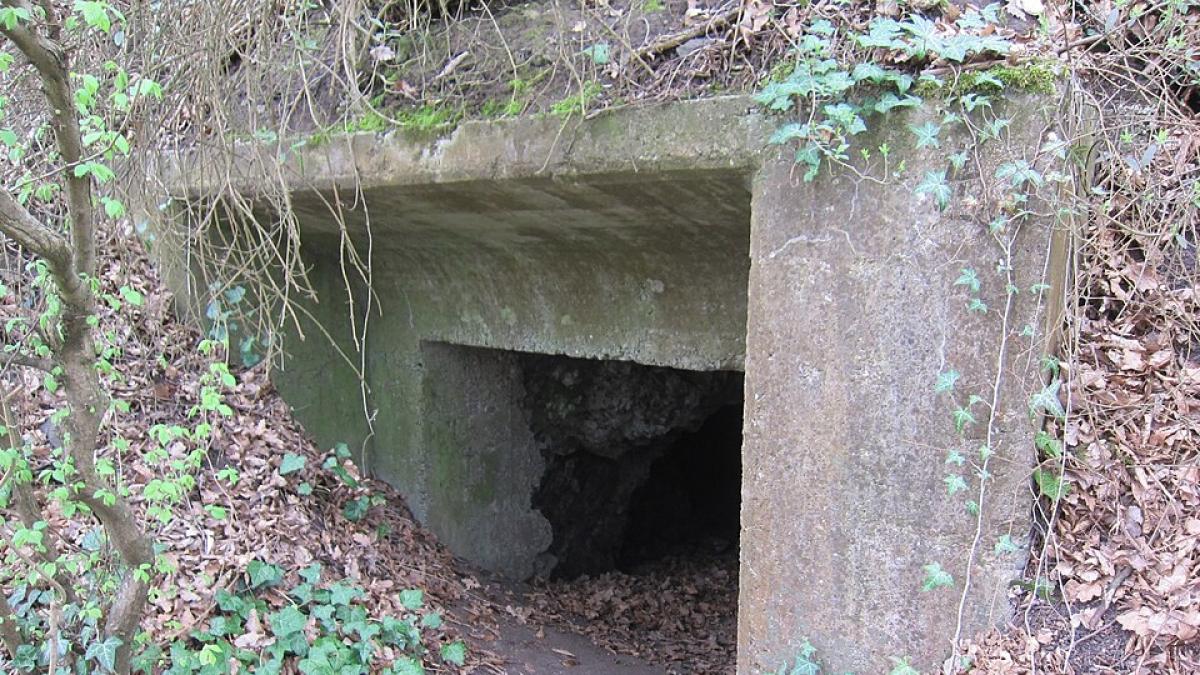
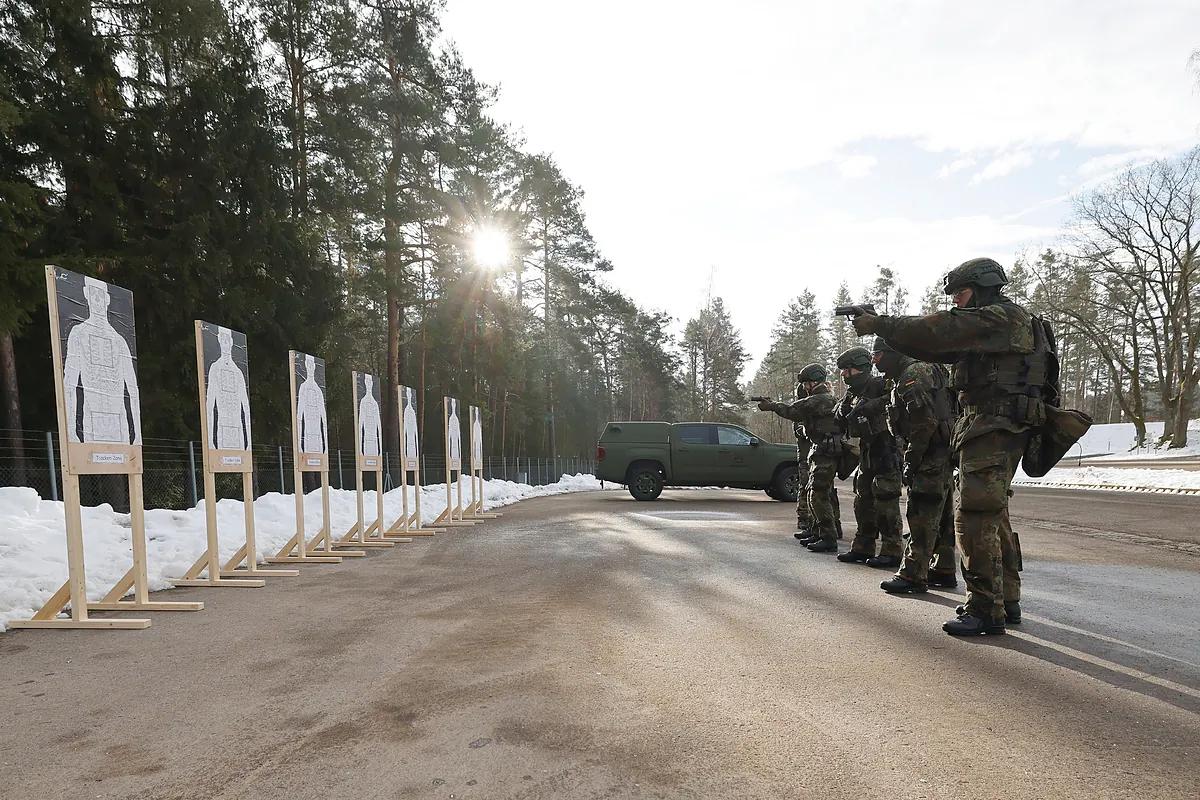
Germany’s government approved a new civil protection concept that foresees mobilizing up to 10 billion euros by 2029 to strengthen preparedness for crisis and defense scenarios, including a possible attack by Russia. The plan contemplates partial adaptation of bunkers and existing underground infrastructures, digital alert systems, and greater coordination between civil protection and the German armed forces (Bundeswehr).
El Mundo says Germany maintained nearly 2,000 public shelters during the Cold War, but today it preserves barely 579, with around 478,000 theoretical places for a population of more than 84 million inhabitants. EEl Mundo adds that the German Federal Office for Civil Protection and Disaster Assistance (BBK) admits none is fully operational and that restoring comparable protection capacity would require “astronomical investments.”E
Bunkers, alerts, and beds
El Mundo describes the concept as shifting the center of gravity of protection toward self-protection at home and rapid protection in spaces already existing, including underground garages, tunnels, or subway stations mapped into alert systems. EInterior Minister Alexander Dobrindt is quoted saying, “We must free ourselves from the concept of the 80s,” as he argued that current threats offer much shorter reaction times and demand a different approach.
Defense Minister Boris Pistorius is quoted appealing to the Ukrainian experience, saying an alert directs citizens toward the basement or the nearest protected space and that “The aspiration can never be to have a shelter for 80 million Germans.” El Mundo says the Civil Protection Pact focuses on strengthening THW, deploying new alert systems, acquiring 110,000 field hospital beds and 1,000 special vehicles, creating federal capacity for medical emergency response with numerous wounded at 50 points across the country, and establishing a civil defense command to coordinate with the Bundeswehr.E
What’s at stake
El Mundo frames the stakes as a question of whether Germany is ready to protect people when available shelter places remain limited, writing that “someone will have to set priorities.” EIt adds that the plan’s logic is built around preparation, mobility, and response capacity, with the 110,000 field beds planned functioning as a “metaphor” for the shift.
The article also says the underlying question remains open: if the risk of Russian aggression is serious enough to justify a paradigm shift, why the response does not rebuild civil protection infrastructure comparable to what Finland or Switzerland maintain. El Mundo concludes that the debate turns on “who would actually be able to be protected,” linking today’s shelter limits to the Cold War reality that actual coverage reached only a small portion of the population.