Europe05 November, 20252 min read
Germany Bans Muslim Interaktiv for Promoting Caliphate and Undermining Democracy
This article is an automated aggregation of coverage from news outlets. Our editorials offer in-depth analysis curated by the NewsCord team.
Germany banned Muslim Interaktiv for promoting a caliphate and rejecting democratic order. Authorities raided multiple properties linked to Muslim Interaktiv in Hamburg and other cities.
10 outlets told this the same way.
Outlets did split on Marco Rubio Urges Europe To Awaken From Slumber In Athens Speech →
Ban on Extremist Influencer Group
Germany banned the Muslim influencer group Muslim Interaktiv, accusing it of anti-constitutional activities such as calling for a caliphate and undermining democratic values. Authorities and Interior Minister Alexander Dobrindt stated that the group promoted hatred and would not be allowed to undermine Germany’s free society. Officials framed the ban as a security measure rather than a religious one.
“Germany has banned the Muslim group Interaktiv over accusations of anti-constitutional activities, including promoting a caliphate system.”
Coverage of the ban varies in emphasis: some sources focus on the caliphate narrative and constitutional threat, while others highlight antisemitism, discrimination, and the group’s rejection of liberal rights. The ban includes dissolving the group and confiscating its assets, reflecting a hard line against movements seen as incompatible with Germany’s constitutional order.

Police Raids and Asset Seizures
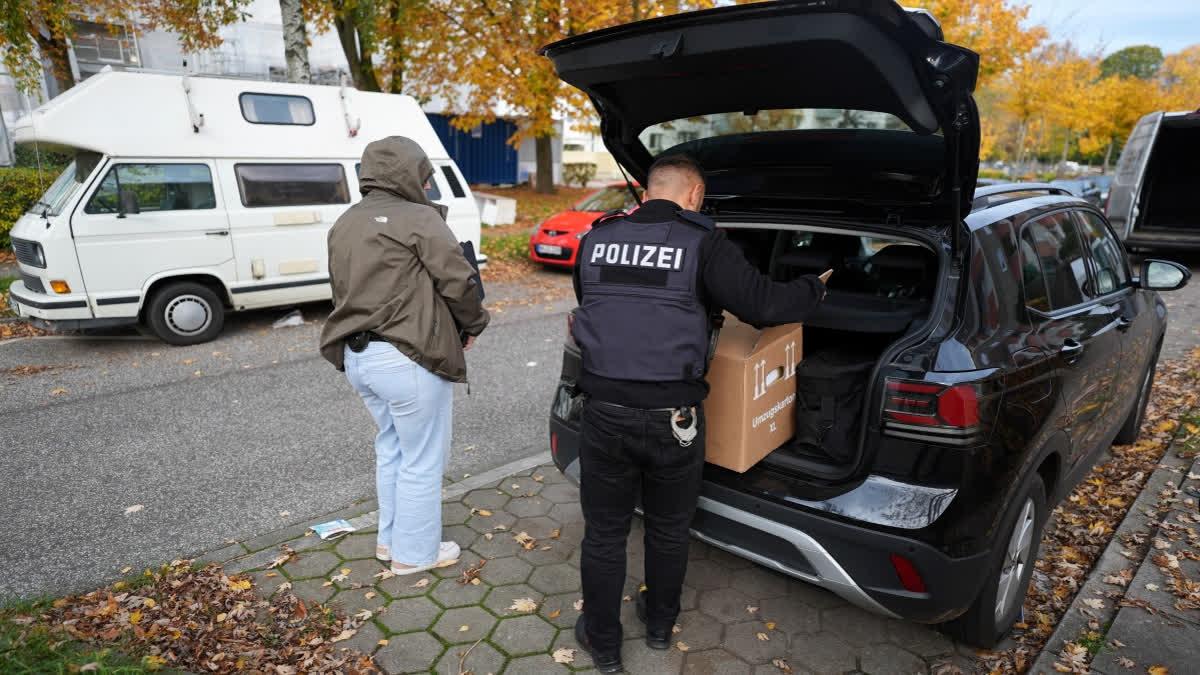
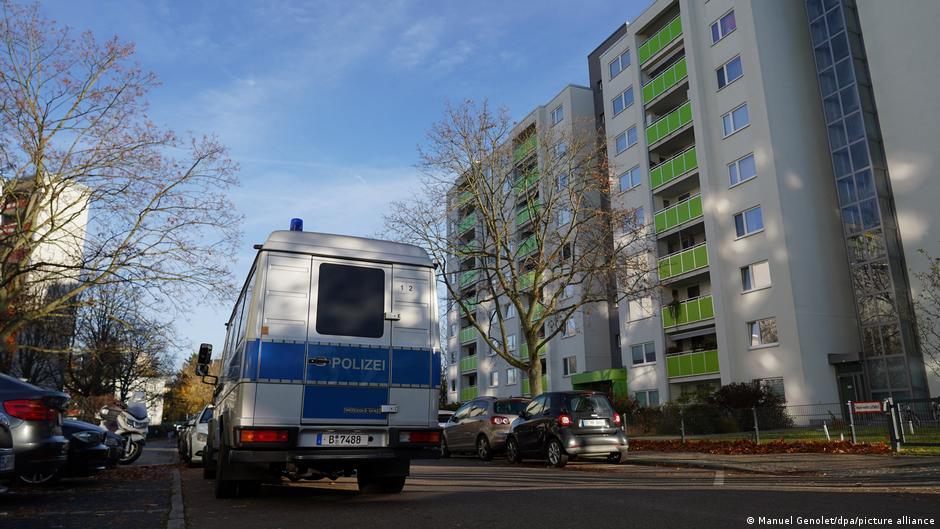
Police operations accompanied the ban on the group. Raids targeted seven buildings in Hamburg connected to the organization. Additional searches were conducted in Berlin and Hesse.
Investigations also focused on two related movements. Sources provide varying details but collectively indicate asset seizures and the dismantling of the group's infrastructure.

Authorities also targeted Generation Islam and another group known as Realitaet Islam or Reality Islam, depending on transliteration. Reports range from general mentions of asset confiscation to specific actions like seizing cash and data.
Reasons for Group Bans
Authorities’ stated reasons span from calls for a caliphate to incitement against Israel and Jewish people, antisemitism, and discrimination against women and LGBTQ+ individuals. The group is also accused of rejecting democratic rights for women and minorities.
“The German government has banned the Muslim organization Muslim Interaktiv, accusing it of threatening the constitutional order by promoting antisemitism and discrimination against women and LGBTQ+ individuals.”
Some outlets emphasize that the group sought to impose religious law above German law and denied Israel’s existence. Across sources, officials argue that such positions threaten Germany’s constitutional order and democratic values.
Group's Online Influence and Youth Outreach
Several outlets highlight the group’s online strategy and efforts to engage young people. Officials have warned about indoctrination tactics targeting marginalized young Muslims through a strong online presence. Some platforms associated with the group were reportedly taken down following a ban.
An Israeli source describes linked movements as spreading a form of "modern TikTok religious extremism." Asian reports label the group as a dangerous organization active on the internet. The group was founded in 2020, showing a rapid rise through social media.
Context of Hamburg Ban
The ban followed a high-profile April 2024 Hamburg rally where signs advocating a caliphate sparked national debate. Reporting diverges on the broader context of the ban. One Western mainstream outlet links the move to tensions exacerbated by Germany’s support for Israel in the Gaza conflict and remarks by Chancellor Friedrich Merz on immigration and deportations.
“The group, founded in 2020, faced criticism after a large April 2024 rally in Hamburg where participants displayed signs advocating for a caliphate, sparking national debate.”
Another Western outlet situates the ban within a general crackdown after attacks by both Muslim extremists and far-right factions. Asian and other outlets note public controversy as well as local officials and activists praising the ban.