Sudan17 April, 20267 min read
Germany Hosts Berlin Sudan Aid Conference, Pledges €1.3 Billion for War-Affected People
Berlin conference pledges about €1.3-1.5 billion in humanitarian aid for Sudan. Sudan's war enters its fourth year during the Berlin aid conference.
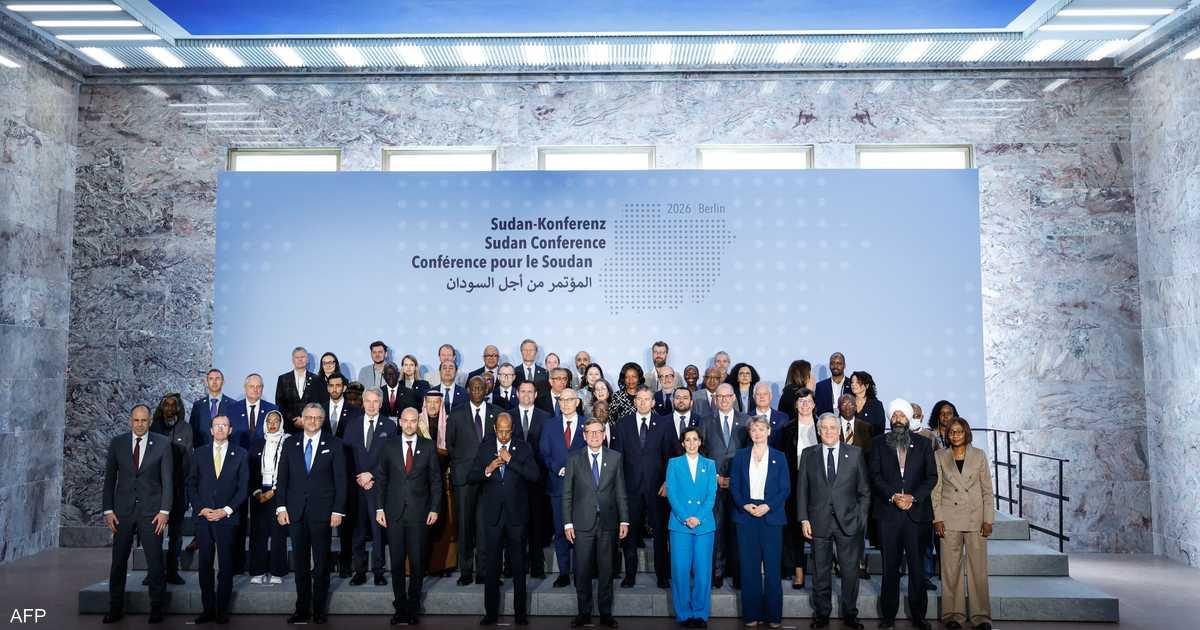
Berlin conference and pledges
Germany hosted an international conference in Berlin to raise funds for people affected by the war in Sudan, with the meeting taking place on Wednesday as it also marked the third anniversary of the war between the Sudanese military under Abdel-Fattah Burhan and the paramilitary Rapid Support Forces (RSF) led by Mohamed Hamdan Dagalo. DW reported that ahead of the start of the conference, German Foreign Minister Johann Wadephul said he was hopeful that more than $1 billion (around €850 million) could be raised, and he later announced that €1.3 billion, or $1.53 billion, had been pledged. DW added that Wadephul said Germany would make another €212 million available for humanitarian assistance in Sudan, and that German Development Minister Reem Alabali Radovan said Berlin would free up another €20 million, on top of the €155.4 million it earmarked for projects in Sudan at the end of last year.
DW also described additional pledges from the UK and Norway, with British Foreign Minister Yvette Cooper vowing an additional 146 million pounds (around €168 million, $198 million) and Norway’s Espen Barth Eide vowing €42 million. The Guardian reported that more than £1bn (€1.15bn) had been pledged at the conference in Berlin, eclipsing the funding target organisers had set, and said the notional target set by German ministers was $1bn (£740m).
In a separate account, the Diplomatic Insight said Wadephul announced pledges of more than 1.3 billion euros equivalent to 1.53 billion dollars, and said the German government hosted the event with the European Union and the African Union in Berlin on Wednesday. Multiple outlets also described the scale of attendance, with the Diplomatic Insight saying officials from more than 60 states and 50 Sudanese and international NGOs attended, while Myanmar International TV said officials from more than 50 states and dozens of Sudanese and international NGOs attended.
No ceasefire progress
While the Berlin conference produced large humanitarian pledges, DW and other outlets said it did not deliver a ceasefire breakthrough, and the absence of the warring parties shaped the diplomatic outcome. DW said Wednesday also marked the third anniversary of the war and described the conflict as ongoing between the Sudanese military under Abdel-Fattah Burhan and the RSF led by Mohamed Hamdan Dagalo, with the war entering its fourth year and no end in sight. The Guardian reported that “Neither of Sudan’s warring parties – the paramilitary Rapid Support Forces (RSF) and the army – travelled to Berlin,” and said the prospect of peace remained distant with “scant progress reported on ceasefire talks.”
Dabanga Radio TV Online similarly said Germany’s Foreign Minister confirmed the Third International Conference on Sudan held in Berlin “failed to make progress towards securing a ceasefire in Sudan,” even though participants broadly agreed on the urgent need to end fighting. Dabanga added that the organisers did not invite the two main warring parties, citing their failure to make meaningful progress towards peace or a ceasefire, and said the conference concluded on Wednesday with pledges totalling €1.5bn alongside demands to halt hostilities, protect civilians, end external support for warring parties and allow humanitarian aid to reach those in need.
WTAQ, quoting Reuters, said Germany was speaking with both warring parties but “neither side was attending the conference because they had not agreed to a ceasefire,” and described the Sudanese government calling the conference plans a “surprising and unacceptable” interference in its internal affairs. In the background, DW described the hoped-for transition after the 2019 ouster of Omar al-Bashir losing out to internal conflict between Burhan and Dagalo, and said the country is now divided between the military in Khartoum and the RSF who control Darfur and parts of the Kordofan region.
Humanitarian crisis figures
The Berlin conference was framed by multiple outlets around the scale of the humanitarian crisis in Sudan and the pressure on aid systems, with DW and the Guardian both citing large numbers for deaths, hunger, displacement, and attacks on health facilities.
DW said that after three years of war, “At least 59,000 people have been killed,” according to ACLED, and that “Around 4,300 children are believed to be among the dead,” according to UNICEF.
DW also said “19 million people are facing acute hunger,” according to the World Food Program (WFP), and that “Some 9 million people have been internally displaced, another 4.5 million have fled to neighboring countries.”
DW further reported that “Around 217 health facilities have been targeted in verified attacks,” according to the World Health Organization (WHO).
The Guardian said two-thirds of Sudan’s population—“34m people”—require assistance, and it described a funding shortfall, saying “So far, just 16% of the overall £2.1bn humanitarian needs assessment for Sudan this year has been funded.”
In the same Guardian report, UN Secretary-General António Guterres told delegates that “credible allegations of the gravest international crimes” were continually emerging, and he said “Women and girls have been terrorised and systematic sexual violence has prevailed.”
DW also said UN Secretary-General Antonio Guterres joined the conference via video message and warned, “The consequences are not confined to Sudan. They are destabilizing the wider region... This nightmare must end,” while UN humanitarian chief Tom Fletcher said, “This grim and chastening anniversary marks another year when the world has failed the test of Sudan.”
Voices: pressure, sovereignty, and aid
The conference drew sharply different emphases from officials and political actors, with repeated calls for pressure on warring parties and for humanitarian access alongside objections from Sudan’s government and RSF-aligned authorities. DW quoted German Foreign Minister Johann Wadephul telling Deutschlandfunk, “This major humanitarian crisis in Africa must not be forgotten,” and he said, “Let's join forces so that humanitarian aid and humanitarian diplomacy can save lives.” DW also reported that Wadephul said Berlin must attempt to fill the funding gap left by massive cuts to US foreign aid carried out by the Trump administration, and he said it was not a “moral-ethical obligation,” but rather a way to prevent people having to flee the country.
The Guardian quoted British Foreign Secretary Yvette Cooper saying, “Countries from across the world are coming together here in Berlin to discuss the way, frankly, the international community has failed the people of Sudan,” and it also quoted her call for pressure, “We need to ensure that every possible pressure is put on those warring parties to reach the urgent ceasefire that we desperately need to see.” WTAQ, quoting Reuters, reported that the Sudanese government on Wednesday called the conference plans a “surprising and unacceptable” interference in its internal affairs and warned that engaging with paramilitary groups would undermine state sovereignty.
In Dabanga Radio TV Online, German Minister of State for Foreign Affairs Serap Güler said the conference had not succeeded in achieving a truce or cessation of hostilities, but she stressed that foreign ministers and representatives were united in calling for an immediate ceasefire and a pathway to peace. Dabanga also quoted Güler saying, “I told officials in Port Sudan that humanitarian aid must reach all areas, including those under the control of other parties,” and she said, “The next steps include maintaining international pressure on the parties to the conflict.”
Divergent framing and next steps
Across the reporting, the same Berlin conference is framed with different emphases—some accounts foreground the pledges and “positive sign” language, while others stress the lack of ceasefire progress and the political obstacles created by exclusion. DW highlighted the pledges and Germany’s additional planned funding, stating Wadephul announced €1.3 billion pledged and that Germany would make another €212 million available, while also stressing the need to fill a funding gap created by “massive cuts to US foreign aid carried out by the Trump administration.” The Guardian described the commitments as a “rare positive development” and quoted Wadephul saying, “The fact that, in a world of dwindling humanitarian resources, participants have already pledged more than €1.3bn in support is a good sign,” while also warning that “funding alone cannot substitute for peace.”
Dabanga Radio TV Online, by contrast, led with the failure to secure a ceasefire and said the conference concluded with pledges totalling €1.5bn but without a truce, and it reported that organisers did not invite the two main warring parties. WTAQ, quoting Reuters, described the conference as aiming to gather more than $1 billion in funding commitments and quoted Wadephul saying, “This isn’t a quick fix,” while also reporting the Sudanese government’s objection and the fact that neither side attended.

The Diplomatic Insight added that neither the Sudanese Armed Forces nor the Rapid Support Forces sent representatives, and it quoted Wadephul thanking donors for pledges with the line, “They help to alleviate the suffering of the people in Sudan, they help to save lives, and they show that this conflict has not been forgotten.” Looking ahead, Dabanga said the EU’s special envoy for the Horn of Africa, Annette Weber, is expected to visit Port Sudan next week for further talks, and it said Güler suggested the war persisted because both sides believed they could continue “without consequence,” adding, “That assumption is incorrect.”