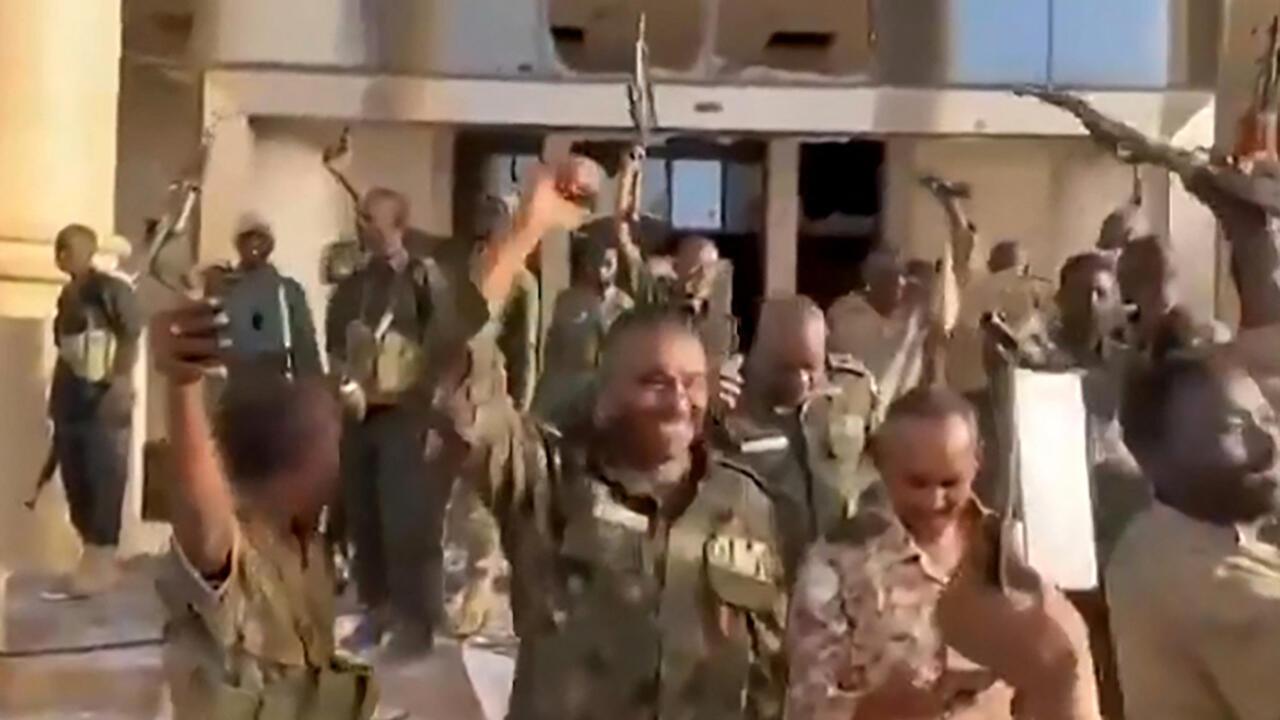
Sudan’s Army Seizes Central Bank And General Intelligence Service In Khartoum
Key Takeaways
- Sudan's army seized the Central Bank and General Intelligence Service headquarters in central Khartoum.
- The army recaptured the presidential palace in Khartoum, signaling a major victory.
- The gains follow days of fighting with RSF, expanding government control in the capital.
Khartoum’s strategic seizures
Sudan’s army said it seized new strategic sites in central Khartoum, including the Central Bank and the General Intelligence Service, as it advanced in the Maqrun area after recapturing the Republican Palace from the Rapid Support Forces.
“The Sudanese army said it had seized vital sites in central Khartoum, including the Central Bank and the General Intelligence Service, while advancing in the Maqrun area after recapturing the Republican Palace from the Rapid Support Forces”
Al-Jazeera Net reported that spokesperson Nabil Abdullah said the army seized the headquarters of the Central Bank of Sudan, Zain Tower, the Sahel and Sahara Bank, and the Cooperative Tower in the Maqrun area of Khartoum’s Nilein region.

The same Al-Jazeera report said the army also seized the Friendship Hall headquarters in Maqrun and the University of Sudan in the Arab Market, while field commanders broadcast pictures they said were from Khartoum Teaching Hospital.
AP said Brig. Gen. Nabil Abdullah told reporters that troops expelled the Rapid Support Forces from the headquarters of the National Intelligence Service and Corinthia Hotel in central Khartoum, and that the army also retook the headquarters of the Central Bank of Sudan and other government and educational buildings.
BBC described the earlier milestone as the army recapturing the presidential palace in the capital Khartoum from the paramilitary Rapid Support Forces after almost two years of fighting.
Reuters’ reporting, as carried in the provided source text, states that the Sudan army said it has control of the presidential palace in Khartoum.
Across the accounts, the army portrayed the moves as part of a widening consolidation of central Khartoum, while the Rapid Support Forces continued to dispute whether the palace battle was over.
How the fighting escalated
The new seizures were described as the latest development in fighting between the Sudanese army and the Rapid Support Forces after the army recaptured the Republican Palace.
Al-Jazeera Net said the central Khartoum area had witnessed fierce fighting in the past two days, during which the army managed to retake the Republican Palace, government and educational headquarters, towers, and museums after RSF controlled them for 23 months.
AP said on Friday the military retook the Republican Palace, the prewar seat of the government, in a major symbolic victory for the Sudanese military in its nearly two years of war against the RSF.
NPR’s account tied the palace recapture to days of intense fighting and said the RSF had occupied Sudan’s seat of power since the war erupted in April 2023.
BBC said the capture came after fierce battles in the centre of the city and noted that it was unclear whether the battle for Khartoum was over because an RSF statement said its fighters were still in the area.
Al-Jazeera Net also described intermittent gunfire between the army and the Rapid Support Forces last night around Khartoum International Airport, with RSF forces controlling the southern side.
It further said the Rapid Support Forces attempted to blow up the Mac Nimir Bridge by planting a set of mines, but the attempt failed, and that the army had completed control of the bridge yesterday after deploying forces on the southern side.
Voices from both sides
The sources present sharply different messaging from the army and the Rapid Support Forces, with both sides asserting control and continuing operations.
“Sudan army recaptures presidential palace after two years of war The Sudanese army says it has recaptured the presidential palace in the capital Khartoum from the paramilitary Rapid Support Forces (RSF) after almost two years of fighting”
BBC quoted Sudan’s de facto president and army chief Gen Abdel Fattah al-Burhan vowing, "There will be no negotiations until these people are no more," while the same BBC report said an RSF statement read, "Our valiant forces are still present in the vicinity of the area."
NPR said soldiers announced through a megaphone in the complex that "The republican palace has now returned to the arms of the homeland" and also quoted Khalid al-Aleisir, Sudan’s information minister, writing on X: "Today the flag is raised, the palace is back and the journey continues until victory is complete."
Al-Jazeera Net quoted spokesperson Nabil Abdullah saying the army had seized the headquarters of the Central Bank of Sudan and other sites, and it added that the army achieved further successes by eliminating hundreds of Rapid Support Forces fighters who had tried to escape through pockets in central Khartoum.
AP said there was no immediate comment from the RSF after the army’s gains, but it also reported that a drone attack on the palace Friday believed to have been launched by the RSF killed two journalists and a driver with Sudanese state television, according to the ministry of information.
BBC reported that RSF said a drone strike it launched on the palace complex left numerous dead, including a team of journalists from Sudan’s state TV station and two of the army’s senior media liaison officers.
In the same BBC account, Nabil Abdallah told state TV that the military had taken control of the palace and ministry buildings and added, "Our forces completely destroyed the enemy's fighters and equipment, and seized large quantities of equipment and weapons," while the RSF contested the narrative through Telegram statements.
How outlets framed the same moves
While the core claim—army control of the presidential palace and additional central Khartoum sites—appears across outlets, the emphasis and supporting details vary.
Al-Jazeera Net foregrounded a list of strategic buildings and towers, saying the army seized the headquarters of the Central Bank of Sudan, Zain Tower, the Sahel and Sahara Bank, and the Cooperative Tower in the Maqrun area, and it also described gunfire near Khartoum International Airport and the failed attempt to blow up the Mac Nimir Bridge.
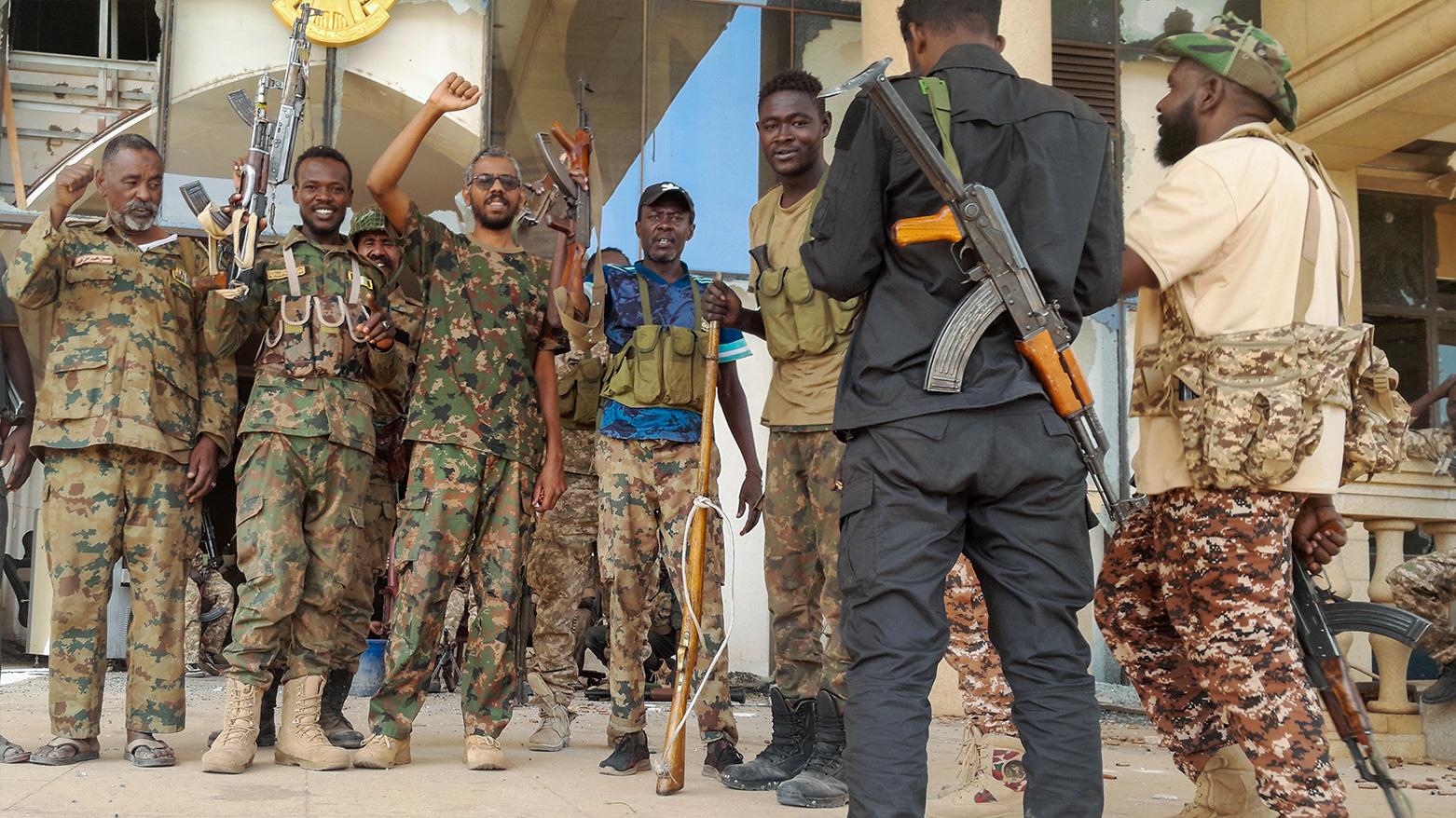
AP focused on consolidation and casualties, with Brig. Gen. Nabil Abdullah saying troops expelled RSF from the headquarters of the National Intelligence Service and Corinthia Hotel, and AP added that "Hundreds of RSF fighters were killed while trying to flee the capital city."
BBC framed the palace recapture as a major victory but stressed uncertainty about whether the battle for Khartoum was over, quoting RSF’s Telegram statement that its fighters were still present near the area and describing expected clashes as the army tried to corner remaining fighters.
NPR emphasized the symbolic messaging and the scale of the war’s toll, reporting that soldiers announced "The republican palace has now returned to the arms of the homeland" and stating that the conflict has killed as many as 150,000 people and displaced 12 million.
Kurdistan24 described the same palace recapture as a turning point and quoted Brigadier General Nabil Abdullah telling Kurdistan24 that "In the past few hours, the Sudanese Army has managed to recapture several important strategic locations from the Rapid Support Forces and regain control of them," while it also cited social media videos of soldiers inside the palace.
The Arabic-language Al-Sharq report and Al-Sharq’s framing, in the provided text, emphasized the army’s continued advance and quoted Burhan saying there is no negotiation until weapons are surrendered, while also giving an estimate that the army is close to controlling about 70% of Khartoum.
What comes next
The sources describe the palace recapture and central Khartoum seizures as part of a continuing campaign rather than an end to the war, and they outline competing expectations for what follows.
“Sudan's army recaptures presidential palace in Khartoum Sudan's army recaptured the presidential palace on Friday, marking a significant turning point in a brutal two-year civil war, which has killed as many as 150,000 people and displaced 12 million”
Al-Jazeera Net said the army’s official spokesman said military operations would proceed on every front until the last inch is liberated, while it also reported that the Rapid Support Forces said it would continue fighting and that the battle for the palace is not over yet.

AP quoted Volker Perthes, former UN envoy for Sudan, saying the latest military advances will force the RSF to withdraw to its stronghold in the western region of Darfur, and Perthes added that the army will soon clear the capital and its surrounding areas from the RSF.
At the same time, AP reported that Perthes argued the war will likely turn into an insurgency between the Darfur-based RSF and the military-led government in the capital, and he said, "The RSF will be largely restricted to Darfur ... We will return to the early 2000s."
BBC similarly said the army is still a long way from ending the war entirely and that large parts of the country remain under RSF control, with RSF controlling parts of the nearby airport.
Al-Sharq’s report in the provided text said estimates indicate the army is now close to controlling about 70% of Khartoum and that the army still needs to take control of Jebel Aulia and remaining parts of Khartoum and Omdurman to declare full control of the capital.
NPR added that the recapture comes amid steps by the RSF to establish a parallel government, an idea that countries including the US and Egypt have denounced, and it said the RSF leader Mohamed Hamdan Dagalo, known as Hemedti, vowed in a video that his fighters would remain and defend their base in the palace.
More on Sudan

International Court Rejects Sudan's Genocide Case Against United Arab Emirates
11 sources compared
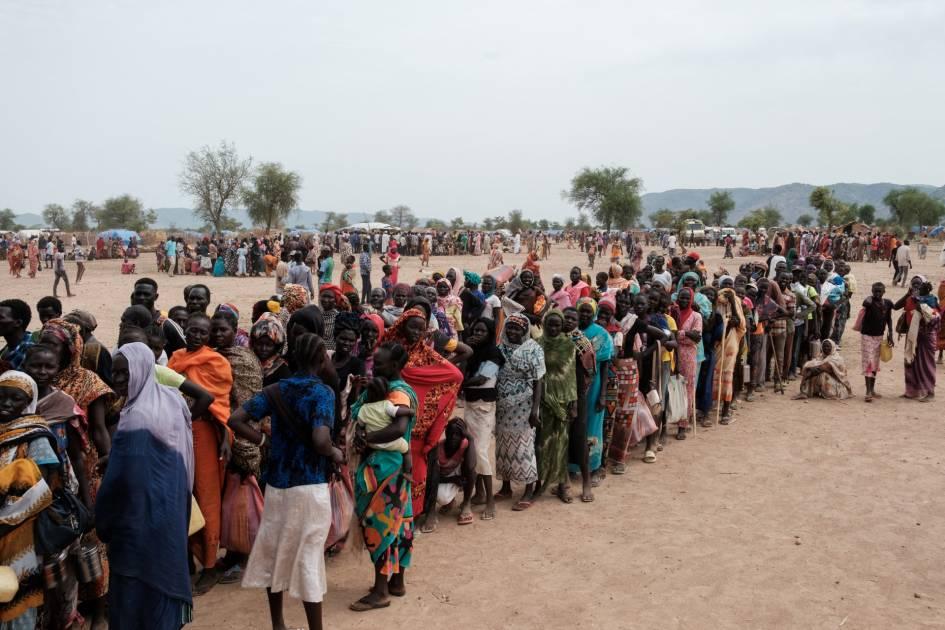
United Nations Condemns Sudan War As Neglected Crisis Amid Rising Atrocities
11 sources compared
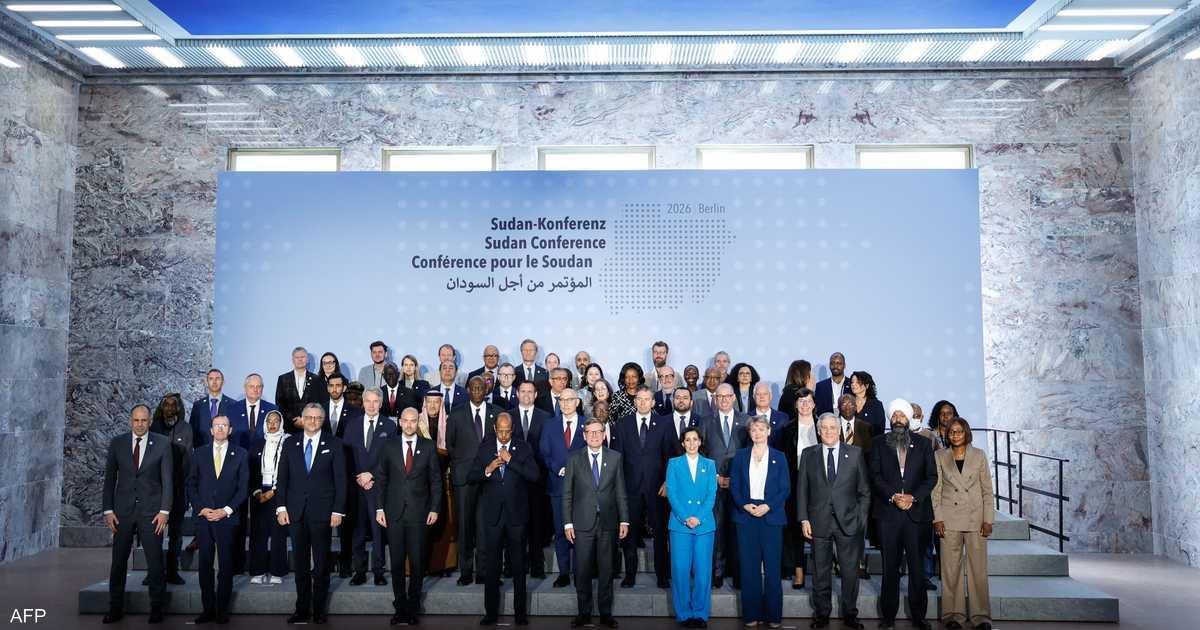
Germany Hosts Berlin Sudan Aid Conference, Pledges €1.3 Billion for War-Affected People
70 sources compared
Sudan Drone Attack Kills 64 at Daein Hospital as Diplomats and WHO Protest
47 sources compared