Germany Summons Russian Ambassador After Russia Hacks Air Traffic Control and Orchestrates Election Interference

Germany Summons Russian Ambassador After Russia Hacks Air Traffic Control and Orchestrates Election Interference

12 December, 202526 sources compared
Russia

Key Points from 26 News Sources

  1. 1

    Germany attributed August 2024 air-traffic-control cyberattack to APT28 (Fancy Bear) tied to Russia’s GRU

  2. 2

    Germany said Russia ran a targeted disinformation campaign to interfere with February’s federal election
  3. 3

    Germany summoned Russia’s ambassador to protest and warned it would coordinate countermeasures

Full Analysis Summary

Germany accuses Russia

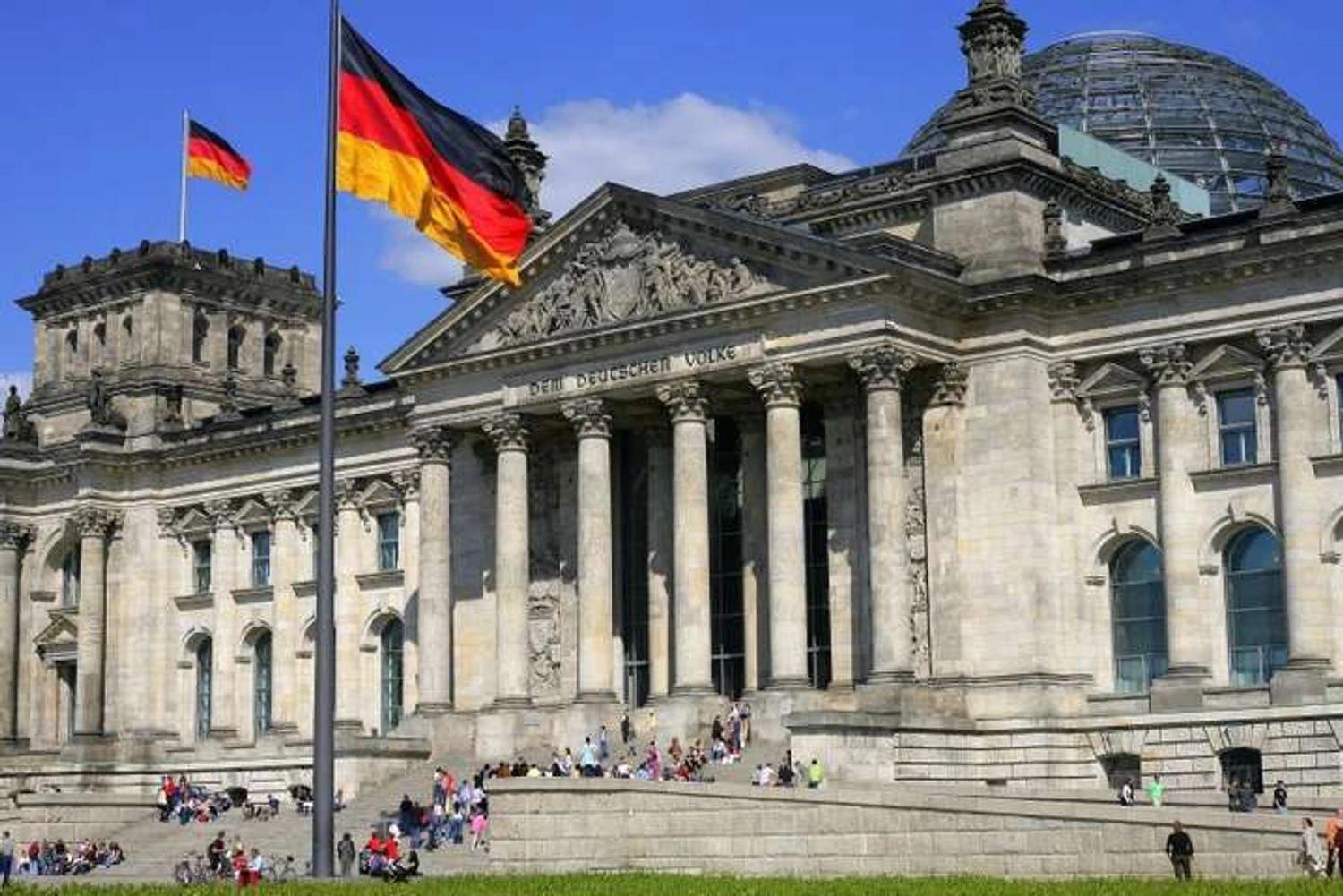
Germany summoned Russia's ambassador on Dec. 12 after publicly accusing Moscow of conducting two linked hybrid operations.

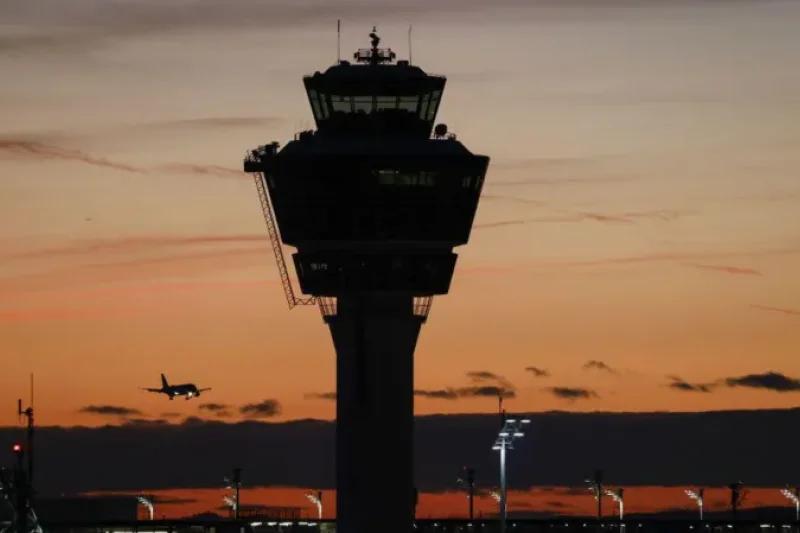
One was an August 2024 cyber-breach of German air-traffic control attributed to the GRU-linked hacker group APT28 (aka Fancy Bear).
The other was a coordinated disinformation campaign dubbed Storm 1516 that Berlin says tried to influence and destabilise the February federal election.

German officials said they would coordinate countermeasures with EU partners and support new individual EU-level sanctions in response.

The move follows mounting European concern about alleged Russian espionage, drone flights near airports, sabotage, cyberattacks and disinformation.

Coverage Differences

Tone/Framing

Western mainstream outlets frame the incident as part of a wider pattern of 'hybrid attacks' and emphasize EU coordination and sanctions (France 24, DW), while other outlets stress operational details and intelligence language such as 'clear evidence' or 'solid proof' (The Record, Channels Television). Some outlets (The Moscow Times) add specifics about disinformation techniques like deepfakes, giving a more granular picture.

Attribution of August breach

German officials attributed the August 2024 breach to APT28, also known as Fancy Bear, and to Russia’s military intelligence service, the GRU, a characterization echoed across outlets that cited Foreign Office statements and intelligence assessments.

Spokespeople emphasized confidence in the attribution, with Berlin saying there was "clear evidence" linking the attack to APT28 and German security services describing the findings as the "hallmarks" of GRU activity.

At the same time, German authorities declined to publish technical details of the intrusion, saying operational sensitivities and concerns about protecting intelligence limit what they can disclose.

Coverage Differences

Attribution certainty vs. operational secrecy

Most sources report Germany’s firm attribution to APT28/GRU using phrases like 'clear evidence' or 'solid proof' (The Record, Channels Television, Kyiv Post), but several also note that Berlin withheld technical details to protect intelligence methods (Channels Television, Azat TV, The Moscow Times). This creates a tension between high public confidence and limited public evidence.

Storm 1516 disinformation campaign

Berlin outlined the alleged phasing and content of the 'Storm 1516' campaign.

Officials say the campaign used deepfakes, manipulated videos and pseudo-investigative material to target senior politicians and to spread false claims about ballot manipulation and other electoral malpractices.

Reporting across outlets identifies lead Green candidate Robert Habeck and CDU lead candidate, and now chancellor, Friedrich Merz among the specific targets, and notes German fact-checkers debunked several of the claims.

Coverage Differences

Emphasis on tactics and named targets

Some outlets focus on the mechanics of the disinformation campaign (deepfakes, fake witness statements, bogus websites) and name specific targets (Arise News, The Moscow Times, Theweek.in), while others give a briefer account without naming individuals (Euractiv, France 24). This results in variation in how personalised and sensational the coverage appears.

EU countermeasures and context

Berlin announced a package of coordinated countermeasures with EU partners, including backing targeted sanctions, stepping up intelligence sharing and considering tighter monitoring of Russian diplomatic movements in the Schengen area.

Several outlets linked the announcement to broader EU moves, including discussions over how to use frozen Russian assets to support Ukraine.

Outlets also noted that officials declined to provide operational cyber-technical details to protect intelligence methods.

Coverage Differences

Policy emphasis and regional context

Some sources foreground EU coordination and sanctions as the main response (France 24, The Straits Times, Euractiv), while others highlight practical steps like monitoring diplomats and intelligence sharing (Azat TV, Channels Television) or connect the move to wider EU actions on Russian assets (theweek.in).

Coverage of Moscow response

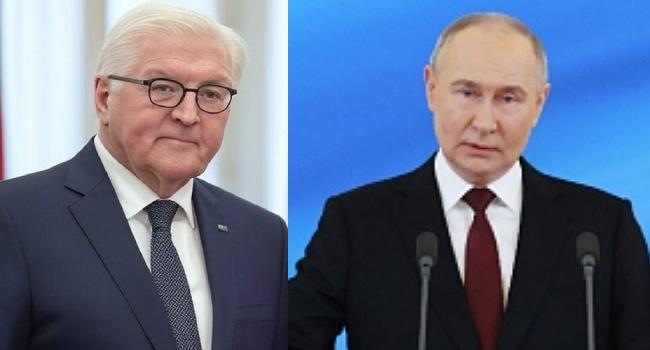
Moscow's immediate public response was mixed in the reporting: several outlets quoted the Russian embassy in Berlin dismissing the allegations as 'baseless, unfounded and absurd,' while others reported no immediate comment.

Coverage differs on tone and emphasis — some pieces stress Moscow's categorical denials, others highlight European alarm and the potential implications for Germany-Russia diplomatic ties and Western support for Ukraine.
Coverage Differences

Reported Russian response

Some outlets directly quote the embassy's rejection of the accusations as 'baseless, unfounded and absurd' (Arise News, Kyiv Post, The Moscow Times), while other outlets report there was 'no immediate comment' from Moscow or the embassy (Euractiv, The Straits Times). This yields differing reader impressions of how publicly forceful Russia's denial was.

Narrative focus

Some sources (e.g., Azat TV, The Moscow Times) place the incident in a broader context of rising European concerns about Russian hybrid activity and caution about intelligence disclosure, while others present the development more narrowly as a diplomatic protest and a legal/political escalation within EU policy debates (France 24, The Straits Times).

All 26 Sources Compared

Albanian Daily News

Germany Accuses Russia of Air Traffic Control Cyber-attack

Read Original

Arise News

Germany Accuses Russia Of Cyber-Attack On Air Traffic Control And Election Interference

Read Original

Azat TV

Germany Accuses Russia of Cyberattacks on Air Traffic Control and Election Interference

Read Original

BBC

Germany accuses Russia of air traffic control cyber-attack

Read Original

breitbart

Germany Summons Russian Ambassador Over Alleged Sabotage and Election Interference

Read Original

Channels Television

Germany Blames Russia For Cyberattack On Air Safety, Election Interference

Read Original

Daily Excelsior

Germany accuses Russia of cyber attack, poll interference

Read Original

DW

Germany summons Russian ambassador over 'hybrid' attacks

Read Original

El Mundo

Germany summons the Russian ambassador in Berlin over the escalation of cyberattacks and hybrid actions

Read Original

Euractiv

Germany blames Russia for cyberattack on air safety, election interference

Read Original

Euronews

Germany summons Russian ambassador over alleged election interference and cyberattacks

Read Original

France 24

Germany summons Russian ambassador over cyberattacks on air traffic control, general election

Read Original

kurdistan24.net

Germany Accuses Russia of Cyberattacks on Aviation and Elections

Read Original

Kyiv Post

Germany Accuses Russia of Cyberattack on Air Traffic Control, Election Interference

Read Original

Modern Diplomacy

Germany Summons Russian Ambassador Amid Escalating Hybrid Threats

Read Original

Outlook India

Germany Alleges Russia Of Interfering In Cyberattacks And Elections, Summons Envoy

Read Original

polskieradio.pl

Germany summons Russian ambassador over hybrid attacks

Read Original

The Moscow Times

Germany Blames Russia for Cyberattack on Air Safety, Election Interference

Read Original

The Record from Recorded Future News

Germany summons Russian ambassador over cyberattack, election disinformation

Read Original

The Straits Times

Germany blames Russia for cyberattack on air safety and election interference

Read Original

the-star.co.ke

Germany accuses Russia of 2024 cyber-attack and disinformation

Read Original

theweek.in

Germany summons Russian ambassador over alleged sabotage cyberattacks election interference

Read Original

Tribune Online

Germany accuses Russia of cyber-attack on air safety, disinformation

Read Original

TRT World

Germany summons Russia's envoy over surge in alleged hybrid attacks, election meddling

Read Original

UNITED24 Media

Germany Accuses Russia of Cyberattacks and Election Interference

Read Original

Українські Національні Новини

German Foreign Ministry summons Russian ambassador over surge in cyberattacks

Read Original