Africa14 November, 20252 min read
Ghanaian Authorities Move 19 West Africans Deported By U.S. To Undisclosed Locations Under Armed Guard
This article is an automated aggregation of coverage from news outlets. Our editorials offer in-depth analysis curated by the NewsCord team.
Nineteen West Africans deported by the U.S. were moved to undisclosed locations under guard They are considered at risk of torture or persecution and cannot be returned home

8 outlets told this the same way.
Ghana deportees' movements
On Nov. 5, nineteen West African nationals deported from the United States arrived in Ghana and were initially housed in a hotel, their lawyer Ana Dionne-Lanier and media reports say.
“Nineteen West African nationals deported by the U.S. to Ghana have been moved to an unknown location, a lawyer for one of the deportees told The Associated Press.”
They were later moved to undisclosed locations, according to those sources.

Families and lawyers have been unable to contact them after the transfers.
Parts of the group were moved in separate movements: some were bused to an unspecified border site while others were transported under heavy armed guard.
The Ghanaian government has not publicly commented on the whereabouts of the deportees.
Deportation transfer reports
Multiple sources describe the transfers as occurring in separate movements. Some men were bused to an unspecified border area while others, including the lawyer's client, were moved under heavy armed guard.
Reports emphasize that the deportees are considered at risk if returned to their home countries because of possible torture, persecution, or inhumane treatment. Reports also note that families have lost all contact after the transfers.
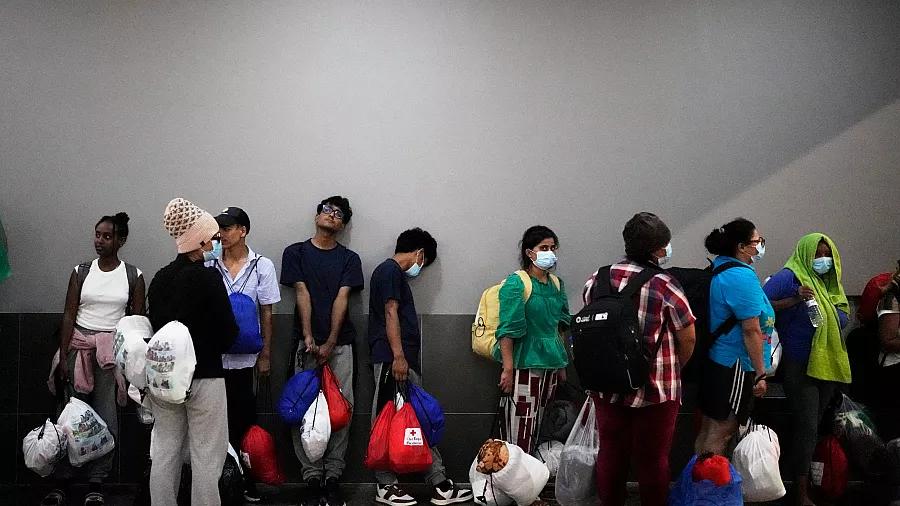
Legal challenges to deportations
Human-rights groups and lawyers have raised immediate non-refoulement and due-process alarms.
“Ghana’s Democracy Hub has sued, arguing the Ghana‑U.S. arrangement is unconstitutional and sidestepped parliamentary approval and international obligations.”
Local activists have launched legal challenges in Ghana, arguing the agreement that allowed the removals sidestepped parliamentary approval and may be unconstitutional.
Ghana’s Democracy Hub has sued, and rights advocates warn of serious humanitarian and safety risks for returnees.
At the same time, the U.S. Department of Justice told a federal court it cannot control how another country treats deportees despite written pledges from Ghana.
U.S. third-country removals
The deportations are tied to a broader, little-reported U.S. third-country removal program that began in July and has sent migrants to at least five African countries, according to multiple reports. Critics say the program is largely secretive, may lack proper screening, and could circumvent asylum protections by relocating migrants to third countries. Reporting across outlets lists countries involved, including Eswatini, Rwanda and South Sudan, and stresses that transfers to Ghana have intensified scrutiny of the policy.
Deportees' whereabouts and scrutiny
The exact whereabouts and safety of the seventeen to nineteen men remain unclear, prompting increased legal, diplomatic, and human-rights scrutiny and calls for transparency. Families, lawyers, and rights groups are seeking clarification and have pursued court action in Ghana, while U.S. court filings say the Justice Department cannot control other countries' treatment of deportees despite Ghana's written pledge not to return them. Reporters across outlets note Ghana's lack of official comment and emphasize urgent humanitarian questions surrounding the secretive transfers.
“The fate of 19 missing West Africans remains unclear amid mounting legal and diplomatic tensions.”