Britain04 February, 20262 min read
Ghislaine Maxwell Confirms Prince Andrew Photo With Virginia Giuffre Is Real
Ghislaine Maxwell's email confirms the photograph of Prince Andrew with Virginia Giuffre is authentic The confirmed image contradicts Andrew's repeated denials and his Pizza Express alibi

18 outlets told this the same way.
Outlets did split on UK Police Charge Teddy Young With Spying For Foreign Power, Royal Navy Member →
Epstein file revelations
Newly released emails from the Jeffrey Epstein document trove include a 2015 draft statement from Ghislaine Maxwell saying she introduced Virginia Giuffre to Prince Andrew.
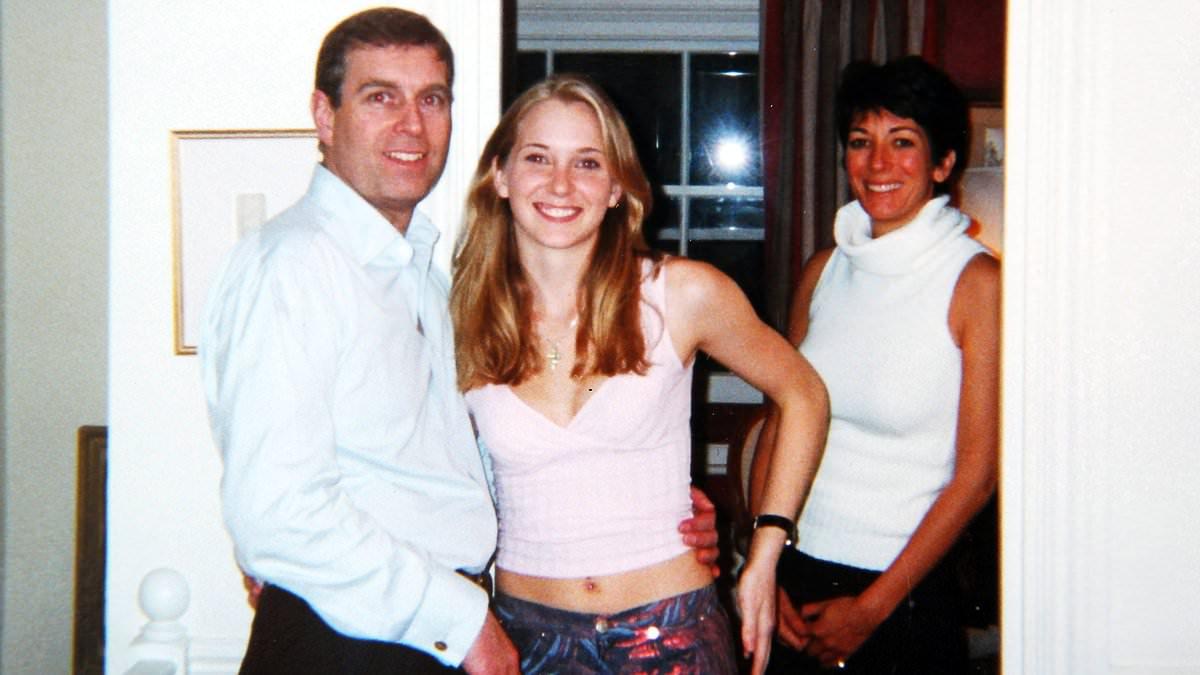
“Maxwell has confirmed via email that a widely circulated photo of Prince Andrew with Virginia Giuffre is authentic and was taken at Maxwell’s London home on the same night Giuffre alleges sexual activity occurred.”
The draft also states that the widely circulated 2001 photograph of Giuffre and Prince Andrew was taken at Maxwell's London home, which appears to confirm the image's provenance.

Multiple outlets reporting on the tranche of files say the message was circulated among Epstein and Maxwell's legal team as they prepared a response to Giuffre's 2015 suit.
The statement was also included in U.S. Department of Justice releases of Epstein-related documents.
The disclosure undercuts Prince Andrew's long-standing questioning of the image and his prior denials about being at Maxwell's house that night.
2015 draft response to allegations
The document is described in multiple reports as a 2015 draft statement Maxwell circulated while preparing legal responses after Giuffre sued. In that draft, Maxwell wrote she "came to my house to visit me" and that the woman in the redacted text (contextually identified as Giuffre) was at Maxwell's home the night the photo was taken.
Maxwell also insisted she had "no knowledge" of sexual activity between the woman and Andrew and called the allegations "fabricated" or motivated by money. Epstein is reported to have commented in the chain that the draft left "too many unanswered questions."
Media reactions to released documents
Reactions across outlets emphasize different stakes. Several reports note Giuffre’s family called the newly released material a vindication of her allegations, while others situate the emails within the broader legal and evidentiary record, pointing to Prince Andrew’s 2022 settlement and Maxwell’s later conviction and sentence. The documents also include earlier Epstein notes — for example a 2011 email referencing photographic evidence — which some outlets cite when linking the newly visible draft to a longer pattern of correspondence.
“Giuffre’s family said the newly released material vindicates her.”
Context of released email
Several outlets place the email inside the legal and document-release context: reporters say the message was part of a tranche of more than three million Epstein-related files released by the U.S. Department of Justice and that the text appears to be a draft joint-defense or rebuttal prepared days after Giuffre sued in January 2015.
Epstein's contemporaneous response — that the draft left "too many unanswered questions" — is reported in multiple accounts, underscoring that the note circulated among defense allies as part of active legal strategizing rather than as a contemporaneous public statement.
Media reaction to disclosures
Reporting differences and remaining ambiguities matter. Many outlets quote Maxwell’s draft language acknowledging the meeting and photograph, but also note she denied knowledge of any 'improper' behaviour and that the statement was a draft circulated in legal exchanges rather than a sworn testimony or judicial finding.
“Headed ‘draft statement,’ the message says Maxwell was in London in 2001 when ‘[redacted]’ met several of her friends, including Prince Andrew, and that ‘a photograph was taken.’”
Some outlets explicitly call the disclosure an undercutting of Andrew’s prior denials, including his Pizza Express alibi. Others present the material as one piece in a complex record, leaving open legal and factual questions that the documents alone do not resolve.