Crime10 February, 20263 min read
Ghislaine Maxwell Invokes Fifth, Refuses to Testify to Congress Unless Trump Grants Clemency
Ghislaine Maxwell invoked the Fifth Amendment during a closed-door virtual House deposition Maxwell is serving a 20-year federal prison sentence in Texas for sex trafficking
10 outlets told this the same way.
Maxwell deposition refusal
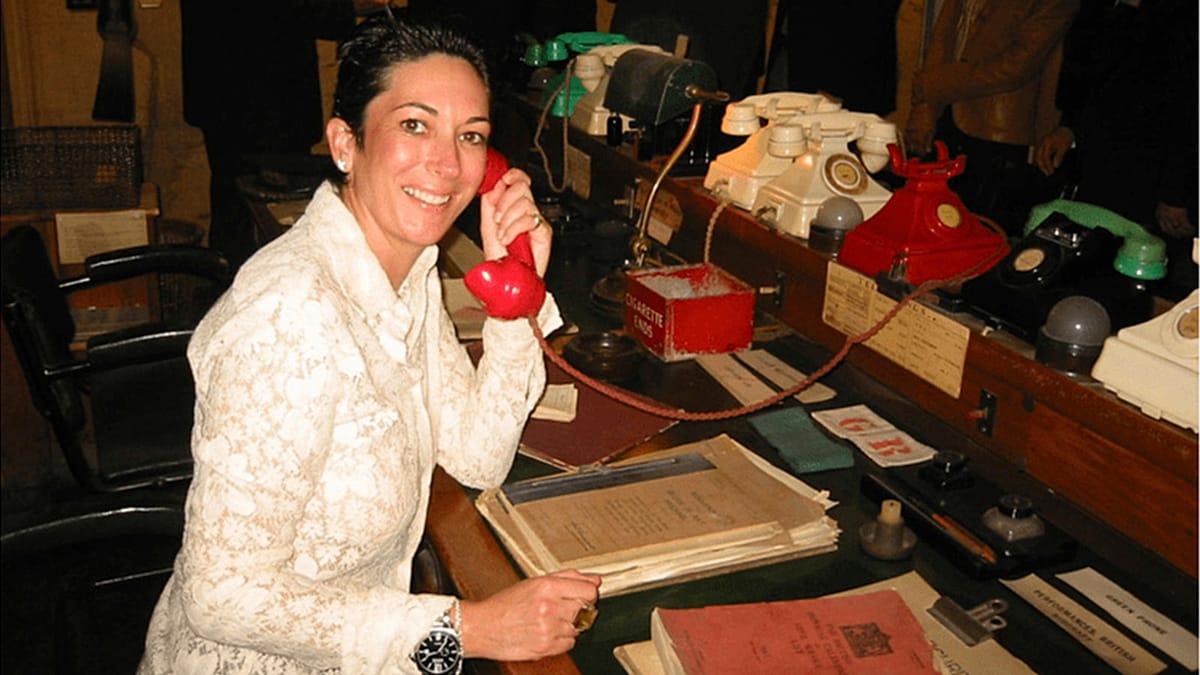
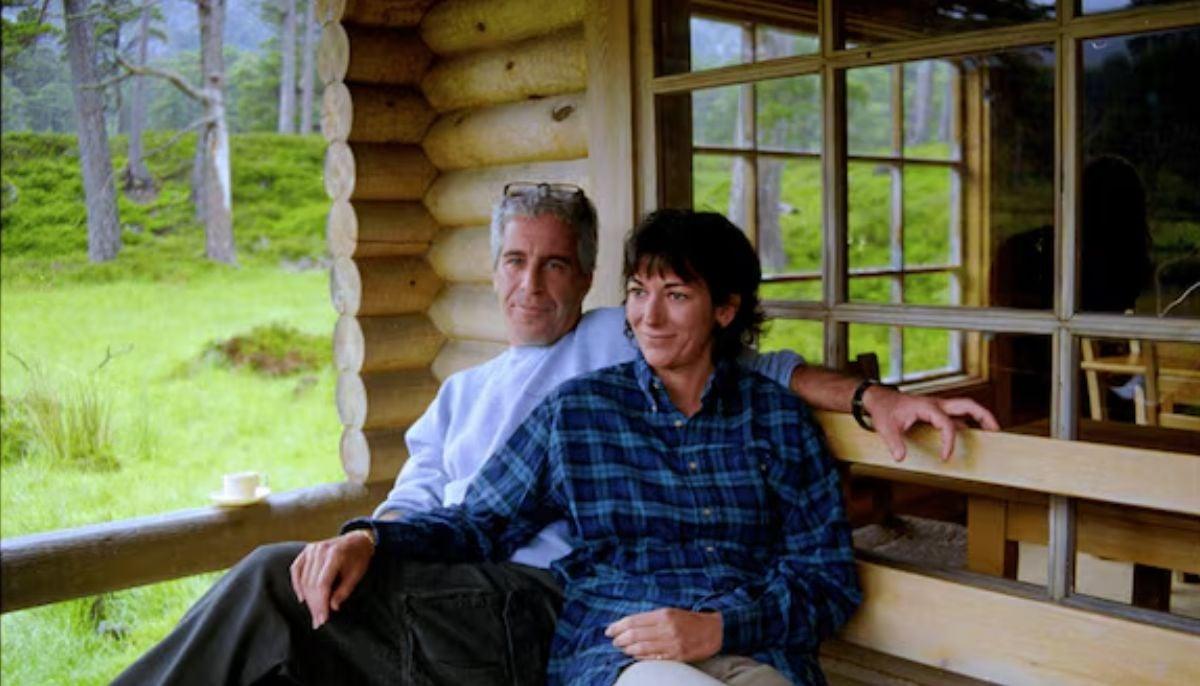
Ghislaine Maxwell, a convicted associate of Jeffrey Epstein serving a 20-year federal sentence in Texas, repeatedly invoked her Fifth Amendment right during a video deposition to the House Oversight Committee and declined to answer lawmakers' questions. Multiple news outlets reported the closed-door or video deposition and her refusal to testify. Al Jazeera said Maxwell refused to answer questions at a closed-door deposition, invoking her Fifth Amendment right against self-incrimination.
“Ghislaine Maxwell, convicted in 2021 for helping Jeffrey Epstein sexually abuse teenage girls and now serving a 20-year sentence at a federal facility in Texas, refused to answer questions at a closed-door deposition to the House Oversight Committee, invoking her Fifth Amendment right against self-incrimination.”
NPR described a closed-door video deposition conducted at a federal prison camp in Texas. Kuwait Times reported she declined to answer questions during a video deposition from a Texas prison.

Euronews likewise noted she declined to answer questions, invoking the Fifth Amendment. ABC News reported she invoked her Fifth Amendment right during a deposition with a House committee led by Representative James Comer.
Maxwell testimony and clemency
Maxwell's legal team told a congressional committee and multiple news outlets that she would testify 'fully and honestly' only if President Donald Trump granted her clemency. Al Jazeera reported Maxwell's lawyers said she would testify 'fully and honestly' only with clemency and added her attorney claimed both Trump and Bill Clinton were innocent of any wrongdoing.
Euronews and NPR echoed that Maxwell's lawyer said she would 'speak fully and honestly' if granted clemency and that she planned to contend neither Trump nor Clinton had done anything wrong. Kuwait Times and ABC News similarly quoted her lawyer saying she would speak publicly only if granted clemency and that she would maintain both Trump and Clinton's innocence.

Responses to Maxwell's clemency
Multiple outlets reported that lawmakers and others pushed back on Maxwell's clemency condition.
“Members of both parties pushed back against calls for clemency: Rep. Melanie Stansbury accused Maxwell of ‘campaigning for clemency,’ and Rep. Anna Paulina Luna demanded no clemency and condemned Maxwell’s actions.”
Euronews quoted members of both parties criticizing the clemency pitch; Rep. Melanie Stansbury accused Maxwell of 'campaigning for clemency,' and Rep. Anna Paulina Luna demanded no clemency and condemned Maxwell's actions.
NPR reported Democrats called the statement an attempt to campaign for a pardon and noted the White House said a pardon was not under consideration, while some Republicans also rejected clemency.
ABC News reported House Oversight Chair Rep. James Comer said Maxwell 'missed an opportunity to answer important questions' and that the committee's probe will continue with additional depositions planned.
Epstein case developments
The deposition and Maxwell’s conditional offer to testify come amid wider scrutiny after the Justice Department released millions of internal Epstein-related documents and amid ongoing congressional inquiries. Al Jazeera noted the depositions followed the DOJ document release and said the files show Trump and Clinton spent time with Epstein in the 1990s and early 2000s but have not been credibly accused of crimes. Al Jazeera also reported that lawmakers raised concerns some names may have been removed from public records.
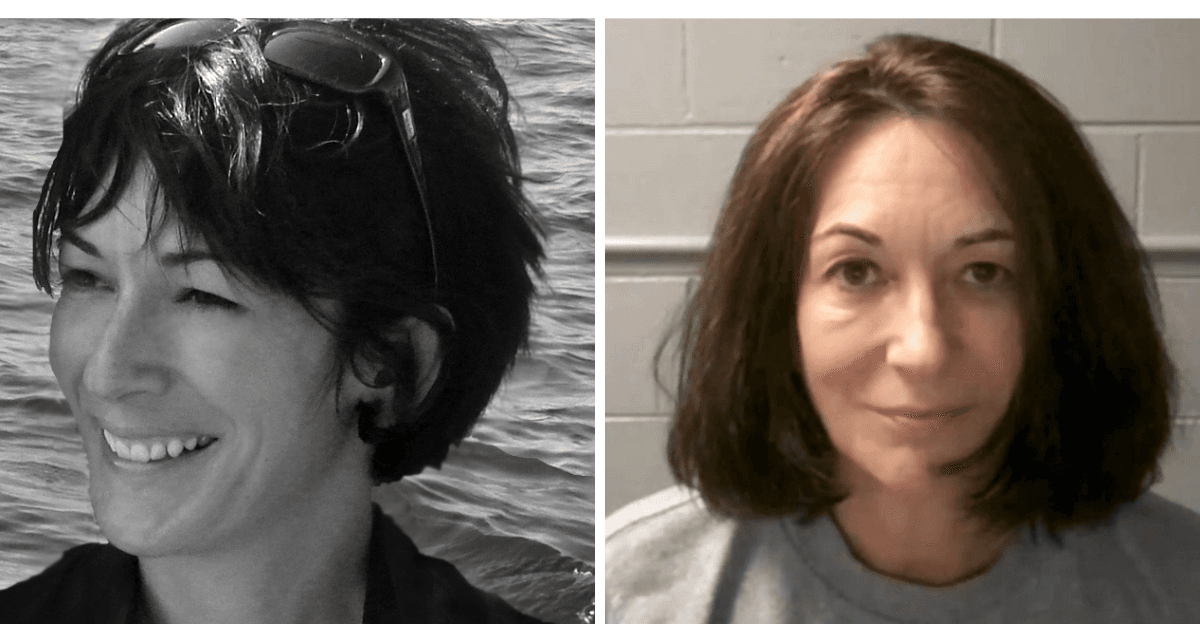
NPR and ABC framed the deposition as part of a broader probe into how Epstein abused underage girls for years and noted Maxwell is pursuing post-conviction legal avenues, including a habeas petition and claims of new evidence. Kuwait Times observed Maxwell is the only person convicted in the Epstein case and referenced Epstein’s death in 2019.
Investigation and media coverage
The committee said the probe will continue with additional depositions and scrutiny of documents. ABC News reported five depositions are scheduled in coming weeks, including an appearance by retail billionaire Leslie Wexner.
“Comer said Maxwell missed an opportunity to answer important questions but that the committee’s probe will continue, with five depositions scheduled in coming weeks, including retail billionaire Leslie Wexner on Feb. 18.”
Outlets also noted Maxwell's ongoing legal efforts, with NPR and ABC describing her attempts to overturn her conviction and a pending habeas petition that ABC says she cited during the deposition. Coverage varied on possible outcomes: some sources emphasized political blowback and bipartisan rejection of clemency, while others focused on legal process and victims' calls for accountability.