Gaza Genocide25 June, 20263 min read
Gideon Sa’ar Proposes Cabinet Resolution Recognizing Armenian Genocide Amid Israel-Turkey Tensions
This article is an automated aggregation of coverage from news outlets. Our editorials offer in-depth analysis curated by the NewsCord team.
Gideon Sa’ar to submit cabinet resolution recognizing Armenian Genocide Move would be Israel's first official government recognition of the Armenian Genocide

Sa’ar’s proposed recognition
Israel’s Foreign Minister Gideon Sa’ar plans to propose a cabinet resolution seeking official recognition of the Armenian Genocide, his office said, according to an article in The Times of Israel.
The explanatory text for the proposal frames recognition as “a moral and historical obligation,” and it calls for condemning “any denial, minimization, or distortion of the historical truth.”
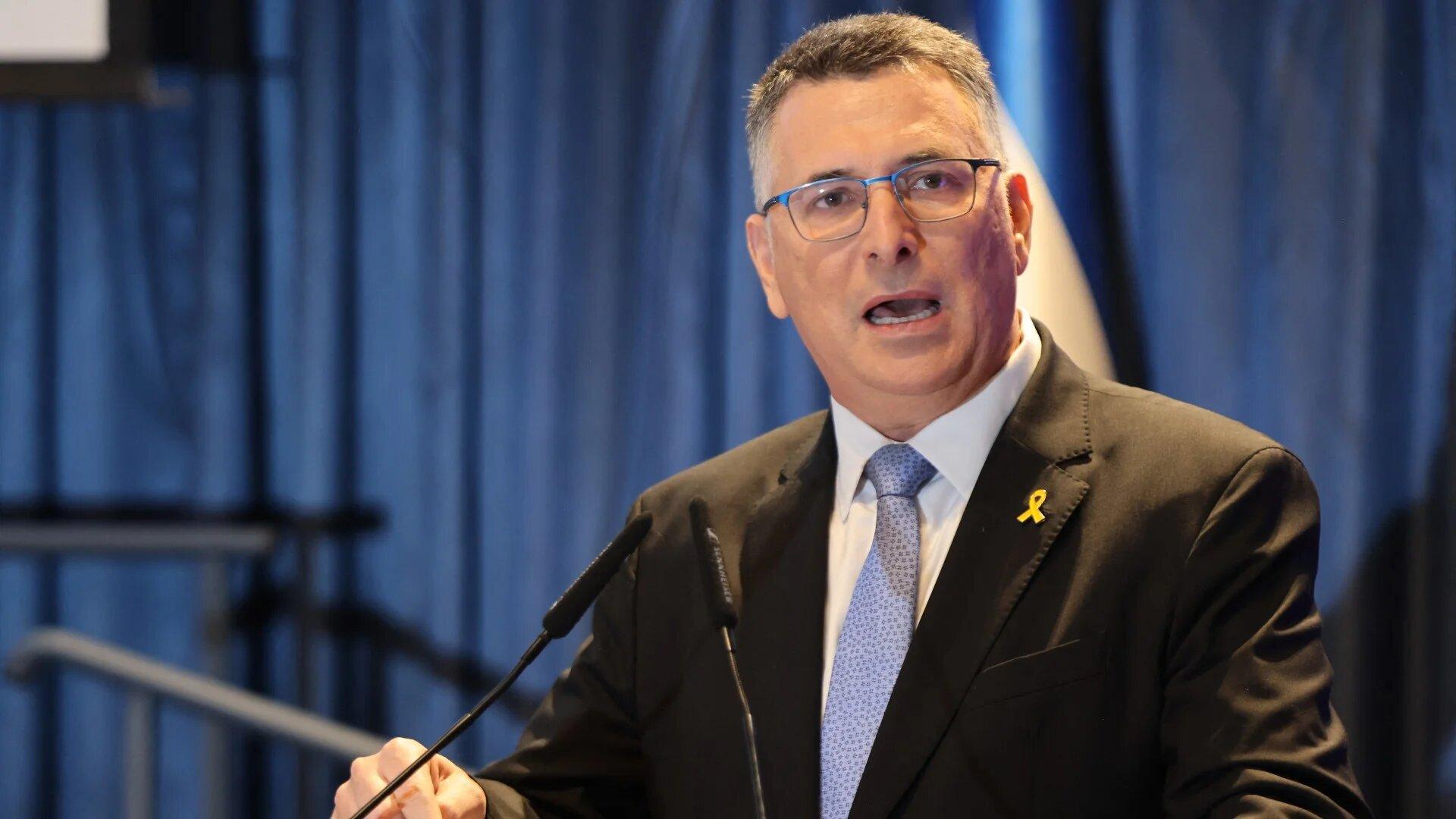
The announcement would be brought before the Knesset for a vote if approved by the government, with Sa’ar saying recognition of the mass killings of Armenians during the final years of the Ottoman Empire is “a moral and historical obligation.”
The move comes as relations between Israel and Turkey have deteriorated sharply over the past decade, particularly following the war in Gaza, with Turkey strongly criticizing Israel’s military campaign and suspending bilateral trade.
In Israel, the proposal immediately sparked debate, with Hagop Djernazian arguing that recognition should not become “a tool of geopolitical rivalry” and Offer Shlesinger writing, “The shame that only now... And not for a moral reason, these are to keep an eye on Turkey...”.
Debate and Gaza-linked timing
Hagop Djernazian, an Armenian resident of Jerusalem, said recognition should not become “a tool of geopolitical rivalry,” arguing that “the recognition has never preceded” and that the issue is now being used “in a time when the country is in a political crisis with Turkey.”
Offer Shlesinger echoed that timing concern, writing: “The shame that only now... And not for a moral reason, these are to keep an eye on Turkey...”.

Other Israeli voices supported the initiative while still arguing it was overdue, including Moshe Carmeli, who said: “A very good decision! But Israel had to recognize the Armenian Holocaust since 1948 and regardless of the current government in Ankara.”
The Armenian Report also linked the announcement to Israel’s broader foreign policy, quoting an Israeli commenter, Apdifatah Apdirahim Apdilahi, saying: “history is only weaponized as a 'moral duty' when diplomatic ties turn sour.”
The same article situates the proposal amid “exceptionally strained relations between Israel and Turkey,” noting Turkey has withdrawn diplomatic representatives and Israel has increasingly viewed Ankara as a regional rival after the war in Gaza.
What the draft resolution says
Multiple outlets described the draft resolution’s language, including that “on the basis of the moral and historical duty, Israel will recognize the genocide committed against the Armenian people in the final period of the Ottoman Empire.”
The explanatory notes say the Armenian genocide began in April 1915 with the arrest, deportation and killing of hundreds of Armenian intellectuals, leaders and educated figures in Constantinople, and that men were conscripted for forced labor and murdered.
The proposal describes women, children and the elderly being expelled from their homes and sent on long death marches toward the Syrian desert, where they were subjected to mass murder, rape, starvation and deliberate thirst.
It also states that the campaign led to the deaths of about 1.5 million people and destroyed a cultural and historical heritage thousands of years old across Anatolia, while saying the genocide remains the subject of a state-backed campaign of denial and minimization, including “the manipulation and rewriting of history books, mainly by Turkey.”
In the background of the decision, Ynetnews reported that a day after U.S. President Donald Trump praised Turkish President Recep Tayyip Erdogan, Israel was moving toward a step Erdogan is unlikely to welcome, with Trump saying Erdogan had been a “leading candidate” to join Iran in the war.