Giorgia Meloni Seeks Unity In NATO Arctic And Greenland Decisions
Key Takeaways
- Spain rejects NATO's 5% GDP defense-spending target at The Hague summit.
- The Hague summit centers debate on defense spending and alliance unity.
- Meloni seeks Italian leadership and unity in NATO Arctic/Greenland decisions.
Meloni, Nato, Arctic
Italian Prime Minister Giorgia Meloni said she is working to avoid divisions in Nato-related decisions on the Arctic and Greenland, and she framed the alliance as the arena where Italy can develop dialogue and discuss its presence.
“Concurrently with the NATO summit held in Ankara, questions return about who shapes the Alliance's policies, how its decisions are made, and what prevents passing a position opposed by a member state”
Meloni responded to a question about whether she shared the position of Defence Minister Guido Crosetto, who said that in the area “le esercitazioni non sono iniziate adesso, e non sono sicuramente 15 soldati mandati in Groenlandia.”

At the same press point, Meloni said, “Gli alleati ragionano, non è divisione rispetto agli Usa,” and she recalled a joint declaration signed with other European partners, including Denmark, calling for moves that respect “la sovranità, l’integrità territoriale e l’inviolabilità delle frontiere.”
She also said she had discussed Iran with the Sultan of Oman, adding, “Penso che dobbiamo lavorare per una de-escalation,” while also condemning “le repressioni e le uccisioni” and asking for “garantire l’incolumità dei cittadini.”
Spain rejects 5%
Spain’s Prime Minister Pedro Sánchez told Nato Secretary General Mark Rutte that a newly proposed target would require “counterproductive sacrifices in other sectors,” and Madrid estimated 2.1 percent of GDP for military investments.
In a letter seen by Associated Press, Sánchez called the 5 percent proposal “unreasonable,” and he said Spain “cannot commit to reaching a specific spending target in terms of GDP” at the summit in The Hague.
Euronews reported that NATO meets on June 24 in The Hague and that Spain rejected NATO’s proposal to spend 5 percent of gross domestic product (GDP) on defense, a target due to be announced at the alliance’s annual summit on June 24–25.
The same Euronews account said any agreement to adopt a new spending guideline must be reached with the consensus of all 32 NATO member states, and it noted that NATO allies are ready to approve changing the spending targets currently at 2 percent of GDP.
How Nato decides
A separate explanation of Nato decision-making said that “there is no majority vote, and no decision without the consensus of all,” describing consultations among member states as the mechanism for reaching an acceptable position.
“In a letter to Secretary General Mark Rutte, the Spanish prime minister stressed that the newly proposed target would require counterproductive sacrifices in other sectors”
It added that the Secretary General chairs meetings of the North Atlantic Council, manages consultations, and helps bring positions closer, but “cannot impose it on the member states, as the final word rests with the states represented in the Council.”
The same account described the North Atlantic Council as the Alliance’s main political decision-making body, meeting at the level of permanent ambassadors, or foreign and defense ministers, or heads of state and government during summits.
It also stated that Article 5 is the core of the NATO Treaty and that while it does not mean every state is obliged to send its armies, “aid is not necessarily military, as each state decides for itself the measures it deems appropriate to assist the attacked ally.”
More on Europe
Trump Pressures NATO Allies In Ankara To Raise Defense Spending, Considers F-35 For Turkey
19 sources compared

Trump Demands U.S. Control of Greenland as NATO Unveils Billions in Arms in Ankara
20 sources compared
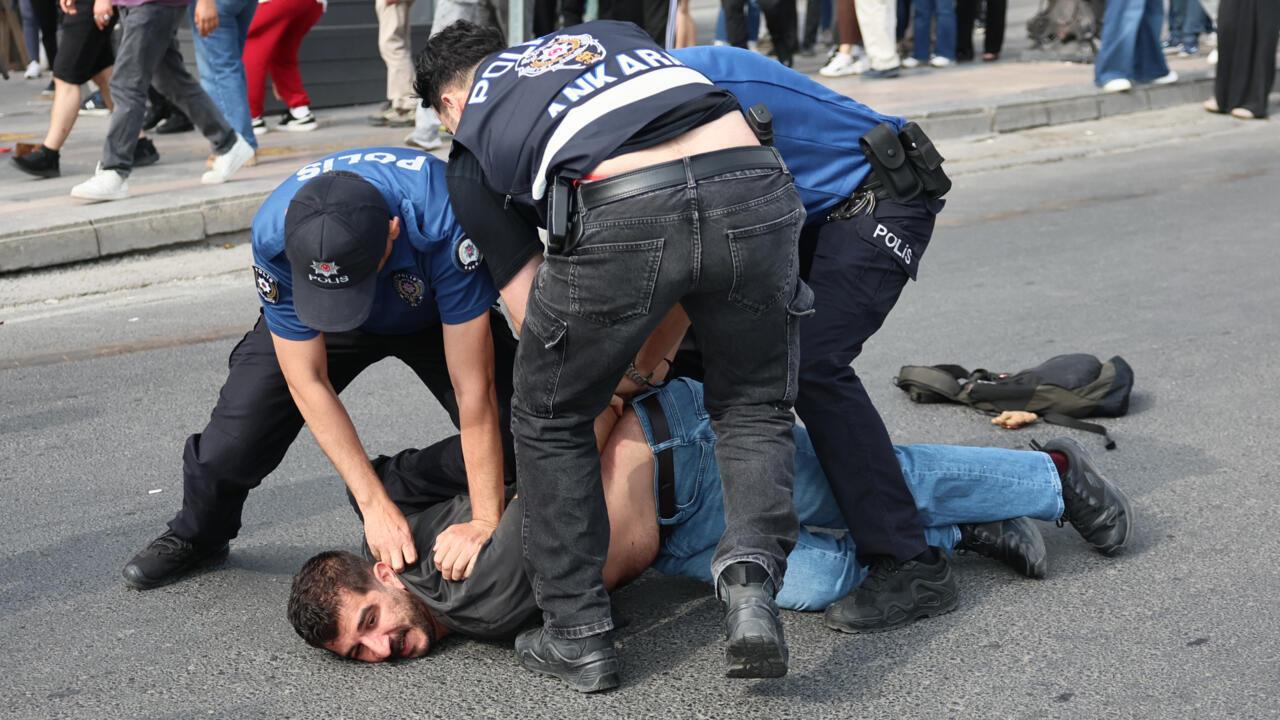
Turkey Arrests More Than 200 In Ankara Ahead Of NATO Summit, Detains Comedian Deniz Göktaş
15 sources compared

Paris Appeals Court Upholds Marine Le Pen Conviction, Sets Terms for 2027 Presidential Bid
83 sources compared