Full story
Food shocks, climate math
Rich Wilson, CEO of the Iswe Foundation and co-founder of theGlobal Citizens’ Assembly, said the numbers on food crises are “stark,” citing the 2026 Global Report on Food Crises that found 266 million people across 47 countries experienced high levels of acute food insecurity last year.
“Home > Parliamentary Investigations How has the state managed to secure citizens' meals amid global crises”
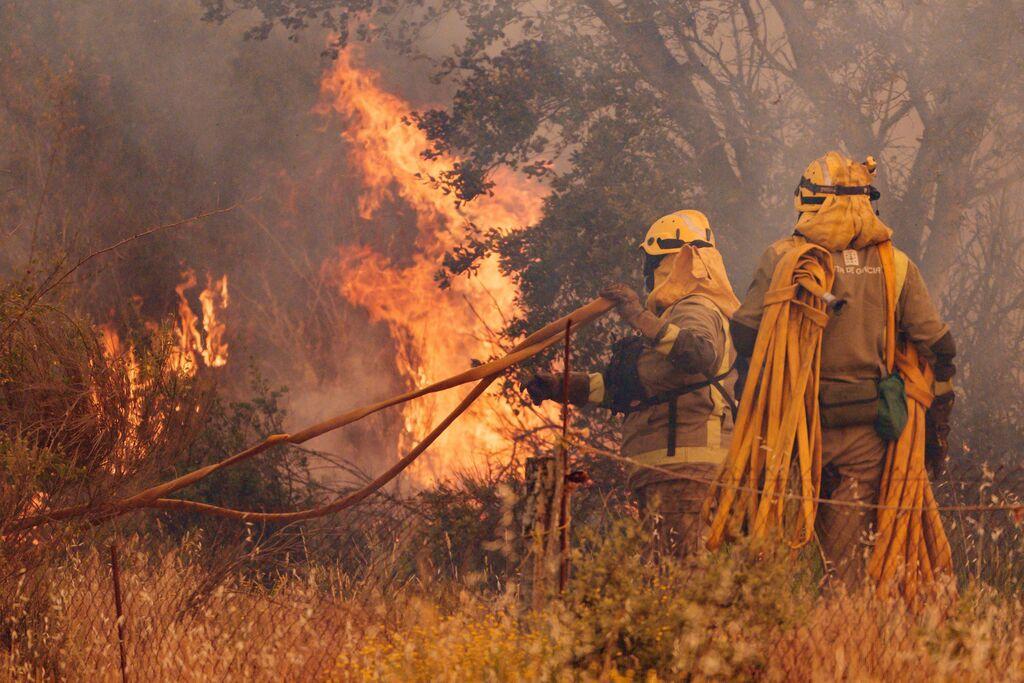
The same Climate Home News account links the pressure on food systems to disruptions to oil, gas and fertiliser flows through the Strait of Hormuz, saying those disruptions drove a 46% month-on-month spike in urea prices early this year and sent agricultural price indices up 8%.
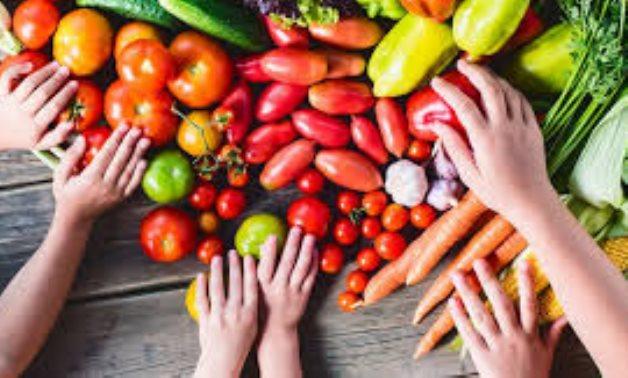
It also points to climate science, stating that the EAT-Lancet Commission concluded that food systems now account for roughly 30% of total greenhouse gas emissions and are the largest single contributor to the climate crisis.
Within that framing, the article says citizens are showing more leadership than governments, describing how people from more than 60 countries and territories spent seven weeks examining evidence on food and climate for the latest Global Citizens' Assembly.
It adds that the assembly’s answer was “unambiguous,” with votes to protect forests, phase down industrial animal food production, and pursue supply chain reform and corporate accountability.
Citizens vs political leaders
Climate Home News says the Global Citizens' Assembly was structured around an open question—“what changes, if any, should we make to how we grow, share and eat food”—and that participants were not asked to endorse a predetermined conclusion.
The article reports that the assembly’s calls to action were backed by “over 85% support,” describing them as a super-majority of randomly selected people from every region of the world.
It then characterizes the gap in global governance as not primarily between science and the public, but between citizens and their political leaders, arguing that institutions that speak only to other institutions miss “the trust and energy of the people they are supposed to serve.”
In its account of outcomes, it says the assembly voted to protect forests with 64% in strong support and a further 20% in favour, and it says people from livestock farming communities voted for change after deliberation.
The piece also asserts that governments are “not moving fast enough,” pointing to COP30 in Belém last November where countries failed to agree on a fossil fuel phaseout roadmap.
Egypt’s food security strategy
A parliamentary investigation piece in Barlamani says Egypt’s government achieved sustainable food security in strategic commodities by pursuing “two pillars”: large-scale desert reclamation projects and breeding high-yield varieties, alongside using technology to raise the efficiency of agricultural land.
“29-04-2021 21:49 - The contribution of female leadership to food security in the world of COVID-19”
It quotes Alaa Farouk, Minister of Agriculture and Reclamation, saying Egypt succeeded in breaking dependence on foreign markets in five major commodity groups, headed by fresh dairy, table eggs, and poultry, and also including rice and sugar producers.
The article says the state supported contract farming to provide locally produced corn and soy, and it claims domestic production now covers 100% of Egypt’s market needs and “even opens prospects for export to regional markets.”
It also describes a dairy program, saying the Milk Collection Centers project converted informal production into an organized industry subject to health and veterinary oversight, with availability in quantities exceeding local demand.
For the next phase, the piece reports numerical targets, including wheat pursuing a self-sufficiency rate of 50% and an emphasis on breeding varieties that tolerate salinity and drought.