Full Analysis Summary
Stranger Things finale outage
Global viewers briefly crashed Netflix when Stranger Things released its two-hour series finale, Chapter Eight: The Rightside Up, at 01:00 GMT.
The BBC called the release 'an event that briefly overloaded Netflix's servers as viewers rushed to watch,' and The Lagos Review said the episode 'briefly overwhelmed Netflix' as viewers streamed at 01:00 GMT and encountered temporary service glitches.
Only the BBC and The Lagos Review articles were provided, so broader independent confirmation or additional perspectives are not available in the provided material.
Coverage Differences
Tone / Emphasis
Both sources report the same technical impact (services briefly overloaded) but frame the moment slightly differently: BBC emphasizes the event as an immediate viewer rush tied to the show’s closure and legacy, while The Lagos Review places the outage in the context of a cinematic, global streaming moment and mentions 'temporary service glitches.' These differences reflect BBC’s Western Mainstream framing and The Lagos Review’s Other perspective, but neither source quotes other outlets for this claim — they are reporting the outage as part of their own coverage.
Series finale summary
The episode closed the show’s 10-year run with large-scale battle sequences, emotional tributes, and consequential plot developments.
The BBC highlights large-scale battle sequences and emotional tributes that tied together the five seasons and provided closure for its characters.
The Lagos Review provides more granular plot notes, including the climactic fight against Vecna and the Mind Flayer, the death of Kali (Eight), an ambiguous outcome for Eleven, and an 18-month time jump that moves characters forward.
Both sources present the finale as providing closure for many characters, though The Lagos Review emphasizes specific character outcomes that the BBC mentions only in broader terms.
Coverage Differences
Detail / Missed information
BBC offers a broader summary—focusing on large-scale sequences and emotional closure—whereas The Lagos Review includes specific plot details such as the death of Kali (Eight), the climactic battle versus Vecna and the Mind Flayer, and an 18-month time jump. This is a case where The Lagos Review reports more granular plot outcomes while BBC emphasizes overall tone and closure.
Finale fan reactions
Fans marked the finale with packed cinema screenings and emotional public reactions.
The BBC reported that fans attended special cinema screenings, some hosted by cast members including Finn Wolfhard in Vancouver, and reacted with cheers and tears.
The Lagos Review said fans packed special screenings and celebrated outside Los Angeles’s Egyptian Theatre despite rain.
Both sources point to an intense, celebratory global fan response to the finale release, with location-specific details and weather noted by The Lagos Review.
Coverage Differences
Tone / Unique detail
The BBC focuses on cast-hosted screenings and fans' emotional reactions in general terms, while The Lagos Review supplies a vivid, local detail (celebrations outside the Egyptian Theatre in Los Angeles despite rain). The Lagos Review’s coverage adds scene-setting specifics that the BBC omits, showing a more localized, narrative-rich angle.
Final season reactions
Critical reaction mixed emotional satisfaction with scrutiny over small errors and contentious scenes.
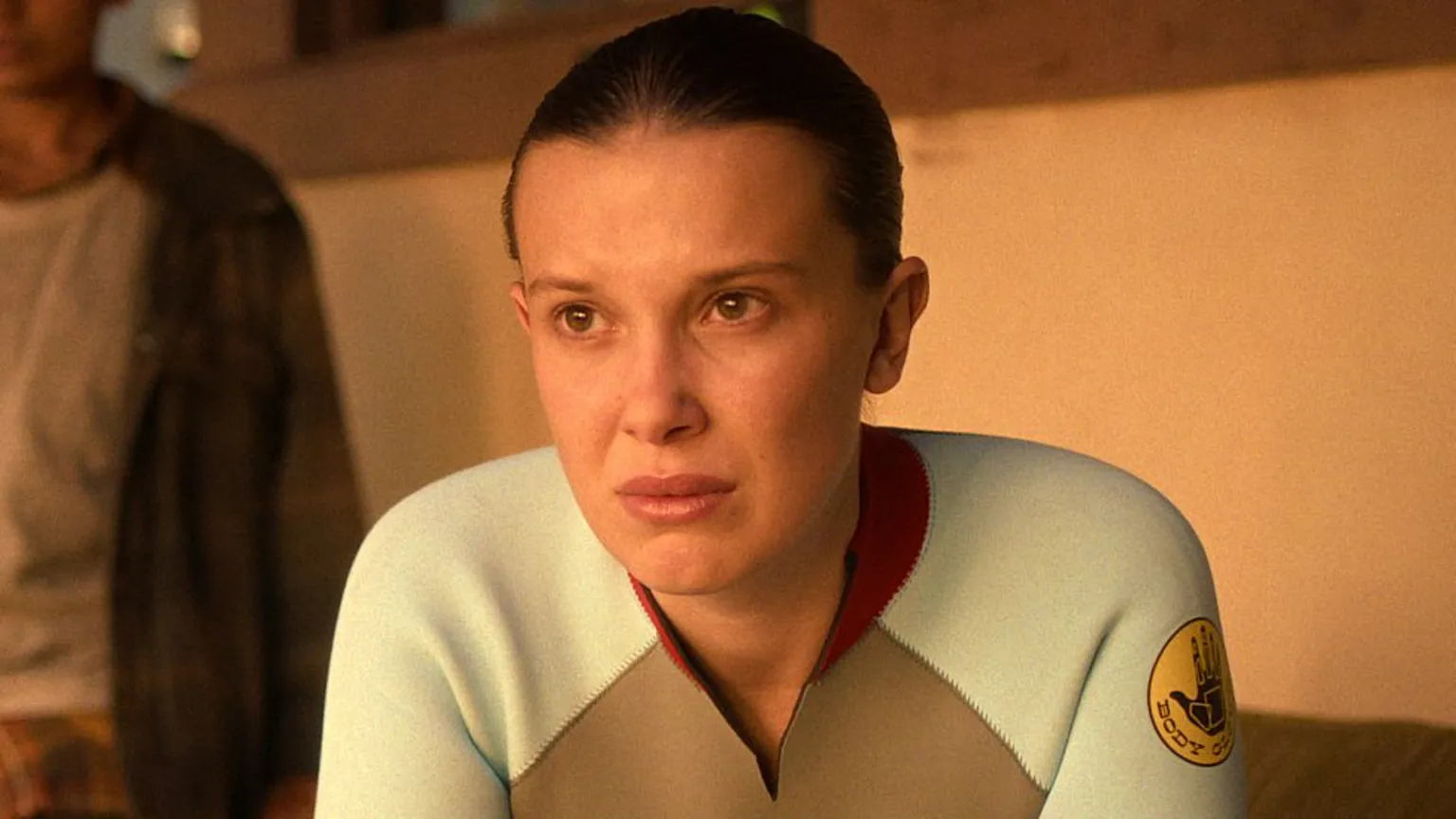
The BBC records that the final season drew scrutiny and debate online, with viewers picking apart continuity errors, such as an anachronistic Under Armour logo, and contentious scenes.
The Lagos Review observes that many longtime viewers felt tearful satisfaction even as critics noted minor plot holes and anachronisms.
Together, these accounts portray a finale that satisfied many fans while inviting detailed debate about continuity and certain plot choices.
Coverage Differences
Narrative / Tone
Both sources acknowledge scrutiny and continuity questions, but BBC frames this as online debate and fact-checking of continuity (e.g., anachronistic branding), while The Lagos Review balances critique with a stronger statement of viewer satisfaction ('tearful satisfaction'). BBC’s framing centers on critical unpacking of errors; The Lagos Review emphasizes emotional closure even alongside criticism.