
Global M2 Growth Slows; Bitcoin Braces for Implications
Key Takeaways
- Escalating Middle East conflict drives global markets lower, with rising yields and gold decline.
- Bitcoin holds around $68,300 as gold falls and Asian equities retreat.
- Global M2 growth slows, potentially shaping Bitcoin demand and price.
M2 Growth Slowdown
The global M2 money supply growth rate has entered a significant downward trend, signaling a major shift in global liquidity conditions according to cryptocurrency analysis platform Alphractal.
“Bitcoin holds $68,300 as gold crashes for a ninth day and Asian stocks drop The Iran conflict's fourth week is breaking the traditional safe-haven playbook, with gold down to $4,360 and equities falling for a third consecutive session”
While the global M2 money supply continues to increase compared to last year, its annual rate of change (YoY) has slowed dramatically, indicating substantial loss of momentum in liquidity creation worldwide.
This slowdown particularly affects major economies and has profound implications for financial markets.
Historically, increases in the M2 money supply have demonstrated a positive correlation with Bitcoin price movements, suggesting that reduced liquidity could potentially constrain market rallies.
However, market analysts note this correlation is not always consistent and can vary significantly across different market cycles.
The current slowdown represents a critical juncture that requires close monitoring as global monetary conditions evolve.
Bitcoin Resilience
Bitcoin currently demonstrates relative stability amid the broader economic turbulence, trading at $68,316 on Monday morning Asia time with a 6% weekly decline that represents a more measured retreat than many traditional assets.
The cryptocurrency has maintained its position above the critical $66,000 support level that has held firm through every war-driven sell-off since February 28th, suggesting underlying resilience.
This performance contrasts sharply with traditional safe-haven assets like gold, which has experienced its longest losing streak in years, dropping 18% from recent highs.
The divergence in market behavior reflects shifting investor perceptions and a potential reevaluation of risk assets during periods of geopolitical uncertainty and monetary policy tightening.
Market Stress
The current market context reveals significant stress across multiple asset classes as global tensions escalate and monetary policy expectations shift dramatically.
“Bitcoin holds $68,300 as gold crashes for a ninth day and Asian stocks drop The Iran conflict's fourth week is breaking the traditional safe-haven playbook, with gold down to $4,360 and equities falling for a third consecutive session”
Asian stocks have fallen for three consecutive sessions and are now poised to enter correction territory, while S&P and European futures point to continued losses.
Bond yields have climbed significantly as prolonged geopolitical conflicts threaten to fuel inflationary pressures, potentially forcing central banks toward rate hikes rather than anticipated cuts.
This environment has also seen Brent crude surge to $113 per barrel, representing a 70% year-to-date increase that contributes to inflationary concerns.
These interconnected developments create a complex backdrop for asset valuation and risk assessment, particularly as the expiration of geopolitical deadlines approaches.
Analyst Views
Market analysts are providing divergent interpretations of current conditions, with some viewing the situation as structurally rather than market-driven.
Alexander Blume, CEO of Two Prime investment advisor, contends that 'the gold rally and the BTC collapse are more structural than market-based,' suggesting that recent asset movements reflect deeper economic shifts rather than temporary sentiment.
Blume points to China's systematic gold buying as part of broader efforts to decouple from Western markets and the US dollar, a strategy that has reversed as conflict intensification prioritizes liquidity over safety.
Despite these concerns, Two Prime remains positioned for 'an increase in funding and futures rates in the weeks and months to come,' indicating a contrarian bet that an upside surprise is more likely than current market expectations suggest.
This perspective highlights the complex interplay between traditional monetary policy frameworks and emerging digital asset behaviors.
Historical Patterns
Historical patterns suggest the current M2 slowdown could signal important market developments based on past Bitcoin cycles.
“Buy cryptoMarketsTradeFuturesEarnWalletSquareMore Buy cryptoMarketsTradeFuturesEarnWalletSquareMore Bitget News Markets Growth Rate of M2 Global Money Supply Slows Down – Major Implications for Bitcoin Growth Rate of M2 Global Money Supply Slows Down – Major Implications for Bitcoin”
Analysis indicates that in the last three Bitcoin cycles, periods when M2 growth turned negative in post-halving phases tended to coincide with market lows, potentially indicating buying opportunities for contrarian investors.
However, analysts caution that it could take months for M2 growth to move into negative territory, or in some scenarios might never reach that level at all.
This uncertainty underscores the importance of closely monitoring this key liquidity indicator to better understand the direction of global monetary conditions and interpret market cycles more accurately.
The current divergence between traditional safe-haven assets and cryptocurrencies may reflect a broader reevaluation of risk and liquidity preferences as global monetary conditions continue to evolve.
More on Finance

President Donald Trump Threatens to Obliterate Iran's Power Plants as Oil Prices Rise
12 sources compared

Jury Rules Elon Musk Misled Twitter Investors in $44B Acquisition Case
20 sources compared
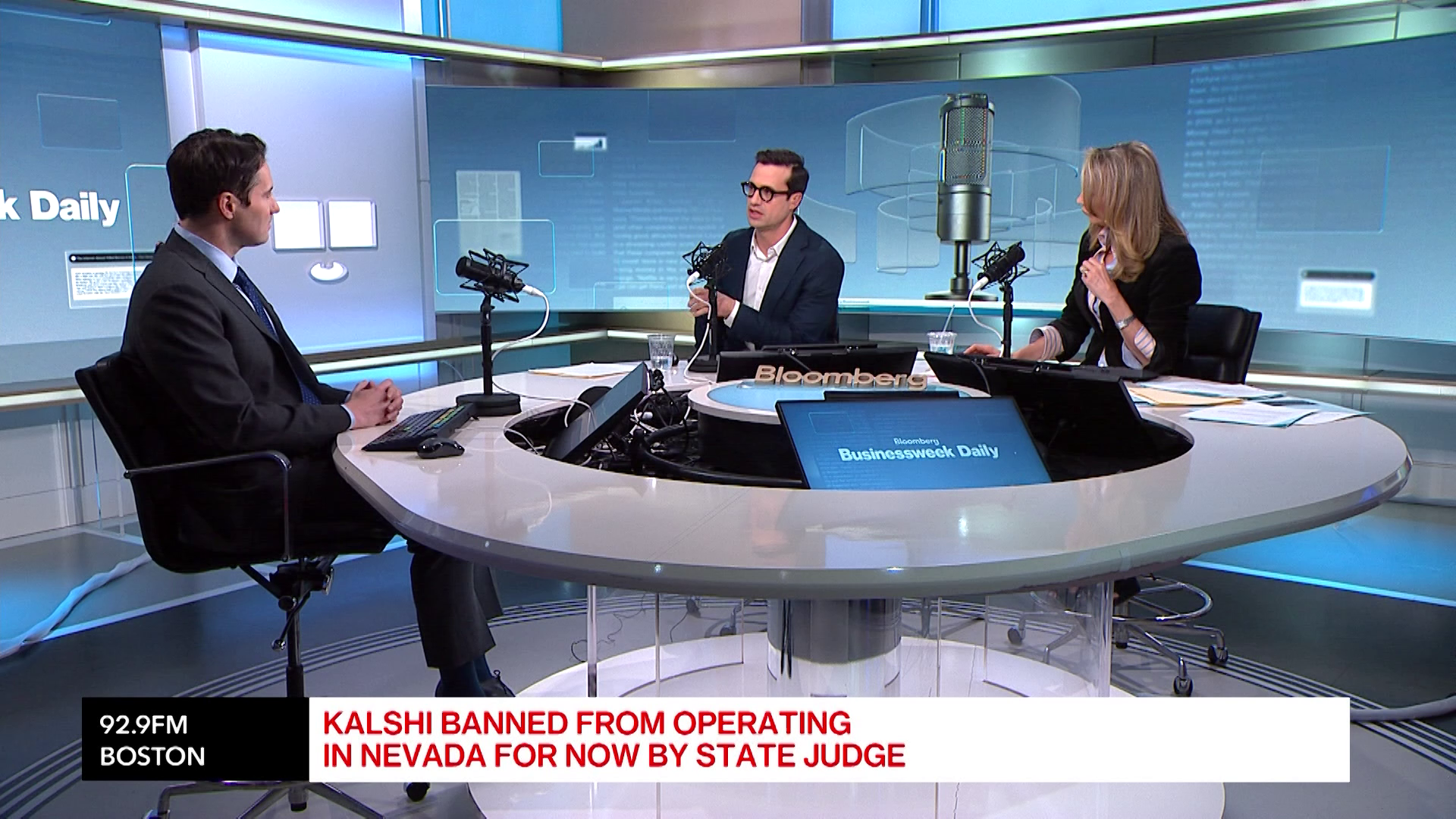
Judge Jason Woodbury Blocks Kalshi From Operating in Nevada
24 sources compared

Coinbase Launches Stock Perpetual Futures for Non-U.S. Users
12 sources compared