Full Analysis Summary
Sudan coverage and attention
Global media and foreign governments showed a brief surge of attention to Sudan after the El Fasher atrocities in late 2025, but that spotlight soon faded as other crises dominated international agendas.
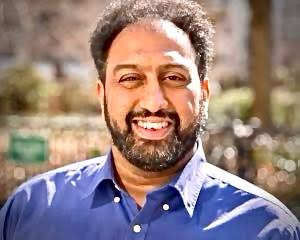
Radio Dabanga's reporting, based on an interview with Sudanese journalist Isma'il Kushkush, emphasizes that attention from major powers and media moves to the newest events that most affect their interests, meaning long-running crises like Sudan lose coverage when other emergencies arise.
Kushkush told Radio Dabanga that the El Fasher events returned Sudan to the spotlight for 'two to three weeks,' but that interest diminished in early 2026 as crises in Venezuela, Syria, Yemen, Iran and the ongoing wars in Gaza and Ukraine crowded foreign-policy agendas.
The reporting argues that unless coverage shifts from episodic event reporting to sustained storytelling about human suffering and strategic regional impacts, international engagement will remain distracted.
Coverage Differences
Tone/Narrative emphasis
Both sources report the same core argument (that Sudan lost attention after El Fasher), but Dabanga Radio TV Online frames the point around the need to "convey suffering and individual human stories" to spur action and deeper analysis, while Radio Dabanga’s piece frames it as treating the crisis as "strategic analysis" rather than episodic news and explicitly lists the actors (the Quartet and other actors) distracted by other crises. The former quotes Kushkush on storytelling as the gateway to peace; the latter reports Kushkush’s point while adding the institutional observation about the Quartet being distracted.
Media coverage of Sudan
Kushkush, cited by Radio Dabanga and Dabanga Radio TV Online, says dwindling attention stems partly from media logistics and bureau placement.
Much Sudan reporting is produced from regional bureaus in Cairo or Nairobi rather than Khartoum, which limits nuanced, sustained coverage.
Both pieces say this structural arrangement makes coverage episodic and reactive, favoring event momentum and audience interest over the full scale of human tragedy.
Kushkush warns that as the conflict nears its fourth year with no decisive shifts on the ground, stories lose the momentum that attracts ongoing editorial resources.
Coverage Differences
Missed information/Detail emphasis
Both sources report the bureau-placement issue, but Dabanga Radio TV Online emphasizes Kushkush’s long experience (noting his writing for outlets including The New York Times and The Washington Post) to bolster his authority, while Radio Dabanga focuses more on the practical consequences (episodic reporting and loss of momentum). The first source thus foregrounds the reporter’s credentials; the second foregrounds institutional consequences and the timeline.
Why Sudan is sidelined
Both pieces stress that international political actors and media follow perceived national interests and immediate events, which explains why crises elsewhere eclipse Sudan on policy agendas.
Dabanga Radio TV Online quotes Kushkush's broader point that major powers and media focus on the most recent crises that directly affect their interests, and Radio Dabanga lists specific competing crises - Venezuela, Syria, Yemen, Iran, Gaza, and Ukraine - as causes for the drop in engagement.
The reporting collectively suggests that without a reframing of Sudan as central to regional stability and global policy calculations, governments will remain reactive rather than proactive.
Coverage Differences
Narrative specificity
Dabanga Radio TV Online emphasizes the general media logic and Kushkush’s appeal to storytelling to spur action, while Radio Dabanga provides a sharper catalogue of competing crises that displaced Sudan from attention. The first contributes the normative solution (storytelling and analysis), the second provides the explicit list of distracted agendas.
Reframing Sudan coverage
Both articles call for a shift from episodic headlines to sustained storytelling that humanizes victims and connects Sudan's conflict to regional and global implications.
Dabanga Radio TV Online highlights Kushkush's argument that conveying individual human stories is the gateway to accelerating a path to peace, while Radio Dabanga frames the same recommendation as treating Sudan as strategic analysis rather than isolated news events.
Together, these versions underline a common prescription: deeper, locally grounded reporting and strategic framing could revive attention and political engagement.
Coverage Differences
Tone/Persuasive focus
Dabanga Radio TV Online stresses human-storytelling as the mechanism to spur action (empathic appeal), while Radio Dabanga stresses reframing to strategic analysis (policy-oriented appeal). Both report Kushkush’s view, but the wording differs: the former "argues that conveying suffering and individual human stories is essential," the latter "opens with the argument that telling human stories is essential" and adds the explicit call for strategic analysis.
Media attention on Sudan
The two Radio Dabanga-origin pieces offer a consistent diagnosis: El Fasher briefly reignited attention, but media dynamics, competing crises, and structural reporting practices let that interest evaporate and left Sudan sidelined on international agendas.
They differ mainly in emphasis: one foregrounds Kushkush’s credentials and focus on human stories, while the other stresses distracted institutional actors and explicitly names the competing crises and the Quartet.
Both sources align on prescription and tone, advocating sustained, locally grounded storytelling and strategic reframing, but neither provides empirical measures showing how such coverage would produce concrete policy change, creating uncertainty about how attention would translate into government action.
Coverage Differences
Unique emphasis and omission
Both articles align but vary in emphasis: Dabanga Radio TV Online highlights Kushkush’s background and the human-story prescription, while Radio Dabanga reports the same points but adds the explicit list of competing crises and mentions the Quartet being distracted. Neither source offers detailed evidence on how sustained storytelling has previously changed government behavior, an omission the pieces share.