Technology and Science06 November, 20253 min read
Global Temperatures Surge as Climate Crisis Accelerates Amid US Environmental Rollbacks
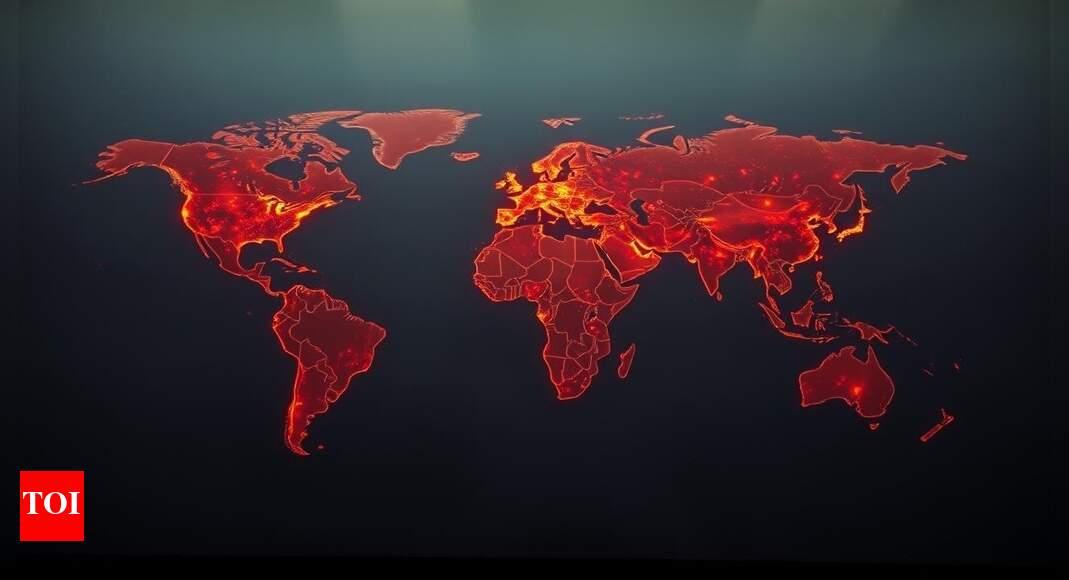
2025 is projected to be the second or third warmest year on record globally. Greenhouse gas concentrations and emissions reached record highs in 2024 and 2025.
23 outlets told this the same way.
Rising Global Temperatures and Climate Response
Global temperatures are surging to historic highs as the World Meteorological Organization warns 2025 is likely to be the second or third warmest year ever. From January to August, temperatures were already 1.42°C above pre-industrial levels, making a near-term overshoot of 1.5°C described as “virtually impossible” to avoid. UN Secretary-General António Guterres has condemned the failure to curb temperature rises as a “moral failure.”
“The World Meteorological Organisation (WMO) has warned that global temperatures in 2025 are expected to be the second or third highest on record, with temperatures from January to August already 1.42°C above pre-industrial levels, making it 'virtually impossible' to meet the Paris Agreement target of limiting warming to 1.5°C without temporarily exceeding it.”
Against this backdrop, US environmental rollbacks and rhetoric have sharpened divisions. Despite budget cuts to environmental efforts under the Trump administration, other countries have increased their climate spending.

Donald Trump has dismissed the crisis as a “green scam.” Meanwhile, observational services report exceptional warmth continuing, including a 12-month global average around 1.50°C above pre-industrial levels and one of the warmest Octobers on record.
Diplomatic Challenges at COP30
Diplomatic fault lines are shaping the Brazil-hosted COP30. Reports highlight reduced participation by major polluters such as China, the US, and India. Some leaders will skip the summit, diluting pressure on key emitters.
High-profile figures from the UK and Brazil are convening at the event. The moment is framed as an urgent test amid deep international divisions. Frontline island states like Palau are warning of existential risks.

The summit is unfolding as the WMO projects another near-record year of heat. This projection sharpens the stakes for the negotiations.
Climate Data and Temperature Trends
New data deepen the alarm about rising global temperatures. Copernicus reported October 2025 as the third-warmest October on record, at about 1.55°C above pre-industrial levels. The average temperature from November 2024 to October 2025 was roughly 1.50°C above pre-industrial levels.
“October 2025 was the third-warmest October on record... 1.55°C above pre-industrial levels... The 12-month average... was 1.50°C above pre-industrial levels.”
UN scientists and independent outlets agree that 2025 is set to rank as the second or third warmest year, following 2024’s record year. From January to August 2025, temperatures ran at 1.42°C above pre-industrial levels. Sea ice indicators highlight this warming trend, with Arctic sea ice near record lows for this time of year.
October sea ice extents were well below average in both hemispheres. There are regional anomalies affecting areas from the Arctic and eastern Antarctica to parts of Eurasia.
Impacts of Rising Global Temperatures
Escalating heat is translating into concrete risks for health, economies, and infrastructure. Reports note record greenhouse gas concentrations and an unprecedented 11-year warm streak since 2015. These conditions are driving more heavy rainfall, flooding, heatwaves, and wildfires that displace people and impede sustainable development.
Health and resilience systems are evolving unevenly: climate services now cover about two-thirds of countries and multi-hazard early warning systems have more than doubled since 2015. However, around 40% of countries still lack such protections.
UN leaders warn that exceeding 1.5°C, even temporarily, would cause severe economic damage, deepen inequalities, and lead to irreversible harm. This reinforces the urgency of taking action.
Global Climate Politics and Finance
Politics and finance remain pivotal in climate discussions. Asian coverage notes that even as the Trump administration cut US environmental budgets, many countries boosted climate spending. Western reporting flags that Trump could undermine climate efforts by pressuring supportive countries and highlights his 'green scam' rhetoric.
“Trump dismissed the climate crisis as a 'green scam' and attacked scientific consensus.”
Latin American and Western sources scrutinize Brazil’s dual role—pushing a Tropical Forests Forever Fund to reward forest protection even as it faces criticism for approving oil exploration near the Amazon. Experts simultaneously warn that current pledges remain inadequate, underscoring the need for stronger commitments at COP30 and beyond.